

 English
 中文简体
中文简体

Industry News


Industry News
Common Surface Classifications of Stainless Steel
2025-10-15
Stainless steel is a common metal material that has excellent corrosion resistance and aesthetics, and it is widely used in various fields. The most basic characteristics of stainless steel are its rust resistance under atmospheric conditions and corrosion resistance in various liquid media. This characteristic is directly related to the chromium content in the steel. The presence of chromium causes an invisible film to be formed on the surface of the steel, which can prevent oxidation and make the material "passivated"or resistant to corrosion. Adding other elements such as nickel or molybdenum can improve corrosion resistance, strength and temperature resistance. In order tofurther enhance the function and appearance of stainless steel, it is often necessary to perform surface treatment. This blog will shed light on the common surface classifications of stainless steel over the past few years.
Shiny Surface
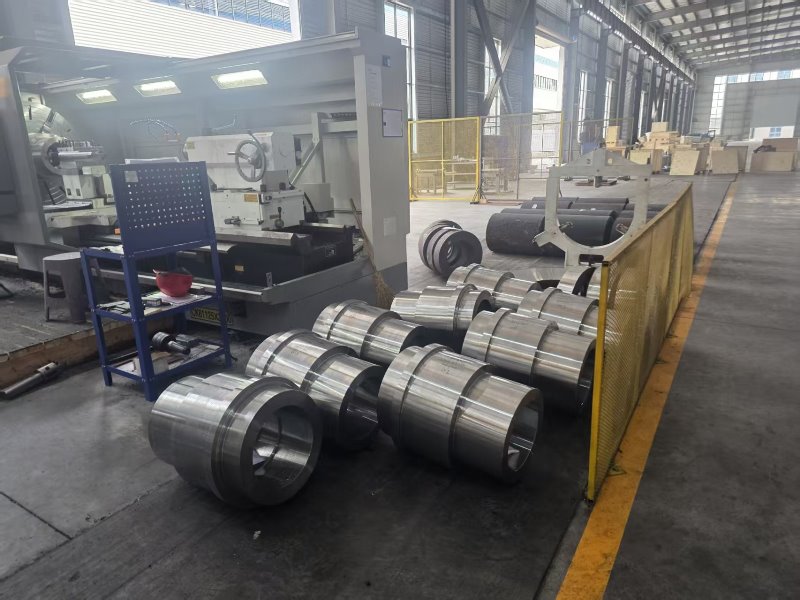
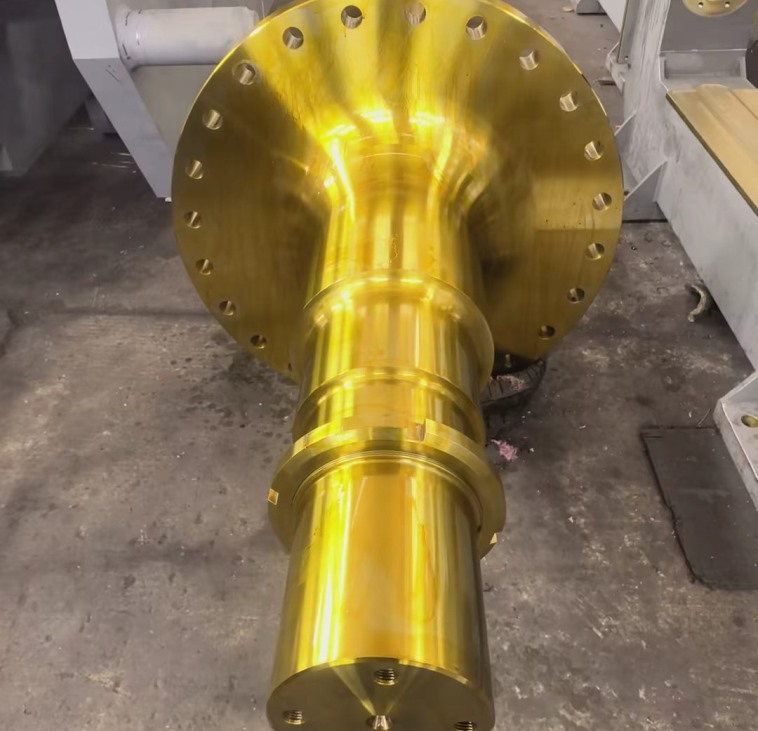
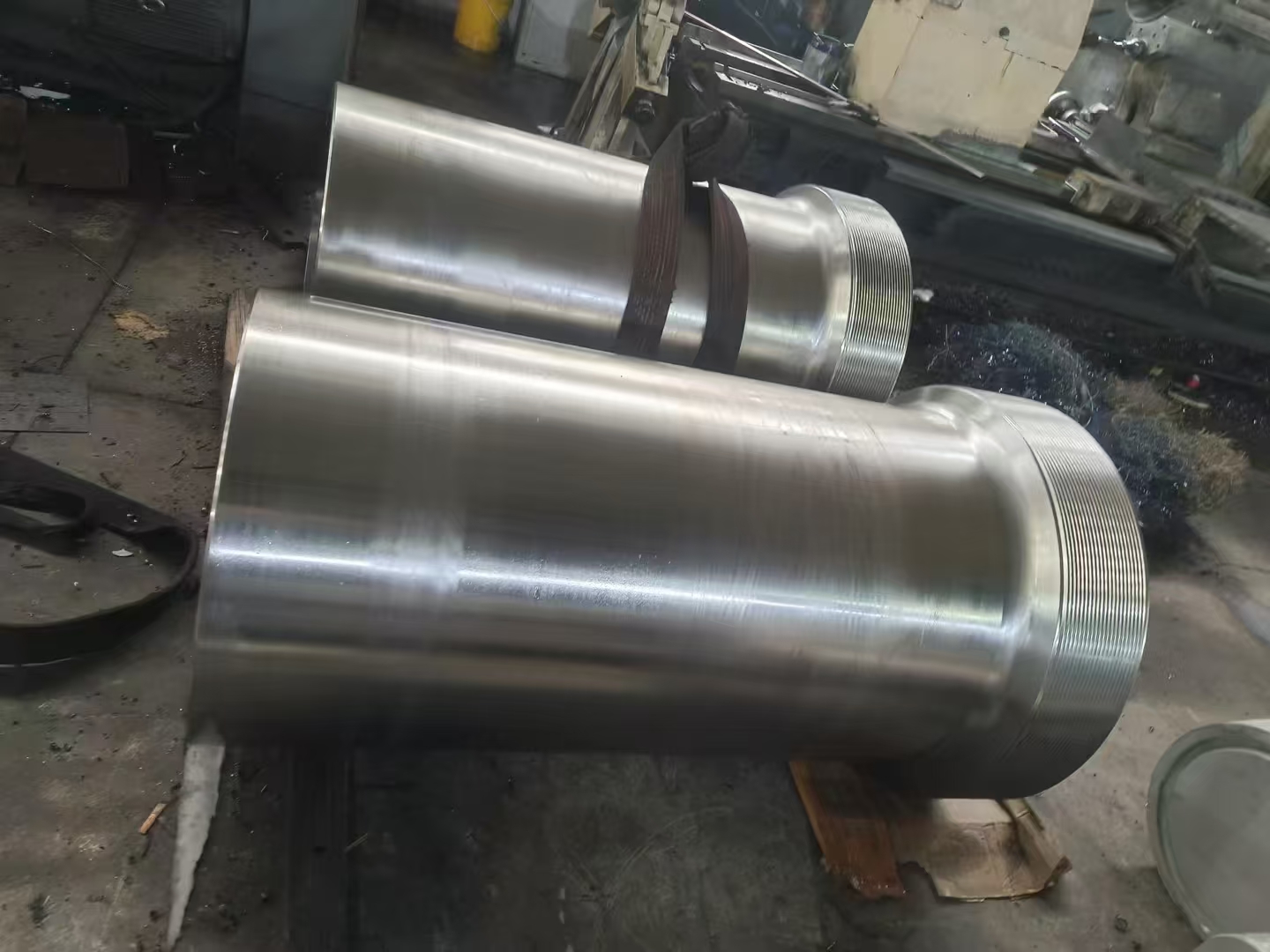
The shiny surface refers to the stainless steel surface after polishing or polishing treatment, with a high finish and reflection ability. Shiny surfaces are commonly found in household goods, kitchenware and decorative areas. It is characterized by smooth and bright surface, which can effectively enhance the look and feel of the product. Stainless steel products with shiny surfaces need to be polished and polished several times in the production process to obtain the ideal surface finish.
Mirror Surface
The mirror surface is a special bright surface, which has a higher finish and can show the general effect of a mirror. Mirror stainless steel is often used in architectural decoration, electronic products and high-end household goods and other fields. Mirror surface stainless steel products need to go through multiple polishing and polishing processes to eliminate surface texture and defects, and obtain a highly reflective mirror effect.
Sandblasted Surface
The sandblasted surface is a stainless steel surface with a rough texture, which is characterized by a rough surface. It can effectively increase the friction and anti-slip property of the product. Sandblasted stainless steel is commonly used in kitchen equipment, electronic product housings and industrial equipment. Sandblasting can sharpen the stainless steel surface by spraying high-speed particles to form a uniform fine granular texture, thereby increasing the roughness and touch of the surface.
Message Us Right Now!
-
Mobile Terminal
-
Quick Links
Products About Us Equipment & Capacity Quality News Contact Us -
Product Category
Power‑Generation Forgings OEM Machined Forgings CUSTOMIZED MADE FORGING PARTS Ship and Port Machinery Forgings Mining and Metallurgy Forgings Food and Feed Machinery Forgings Welding Fabrication Petrochemical Industry Forgings -
Contact Us
Mob.: +86-173 7218 0878 Tel.: +86-515-8389 0396 E-mail: ivy.zhai@aceprocess.cn Add.: No.21 Jinfeng Road, Economic Development Park, Dafeng District, Yancheng City, Jiangsu, China
Copyright © 2025 Yancheng ACE Machinery Co., Ltd. All Rights Reserved.
China open die forgings manufacturer
custom precision forgings supplier
