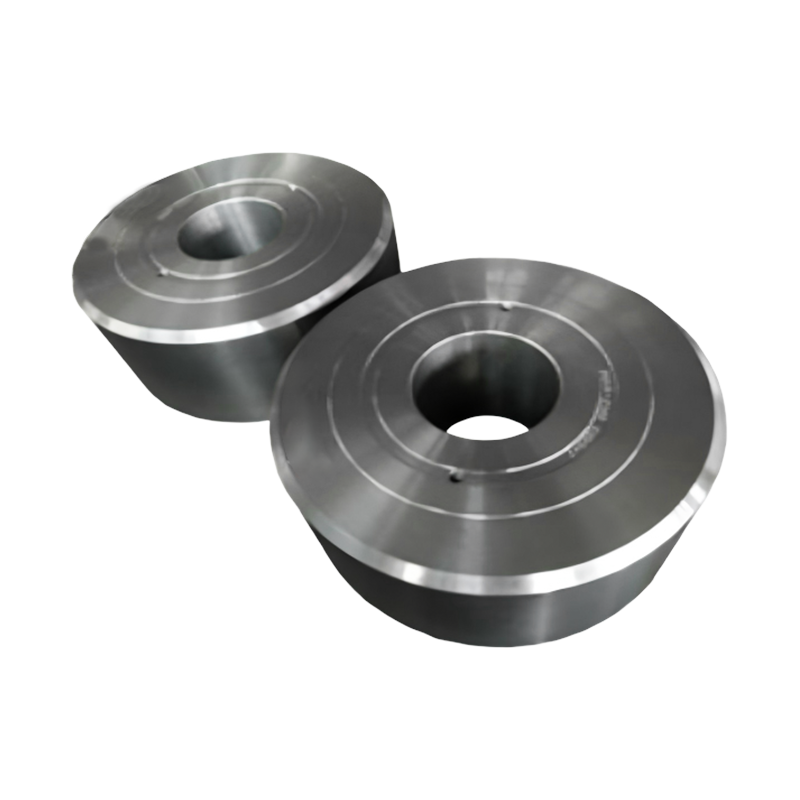
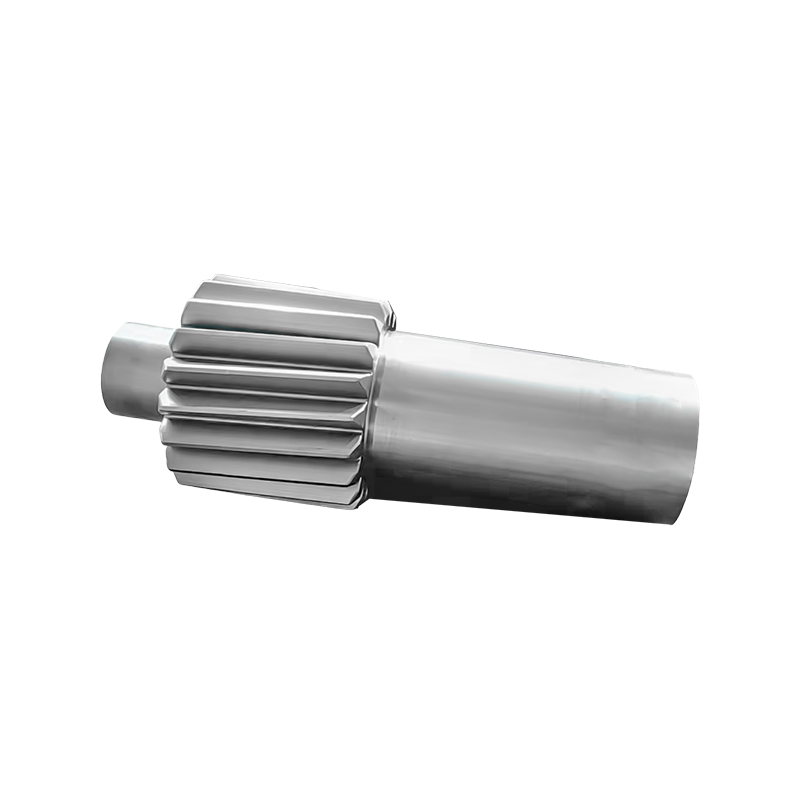
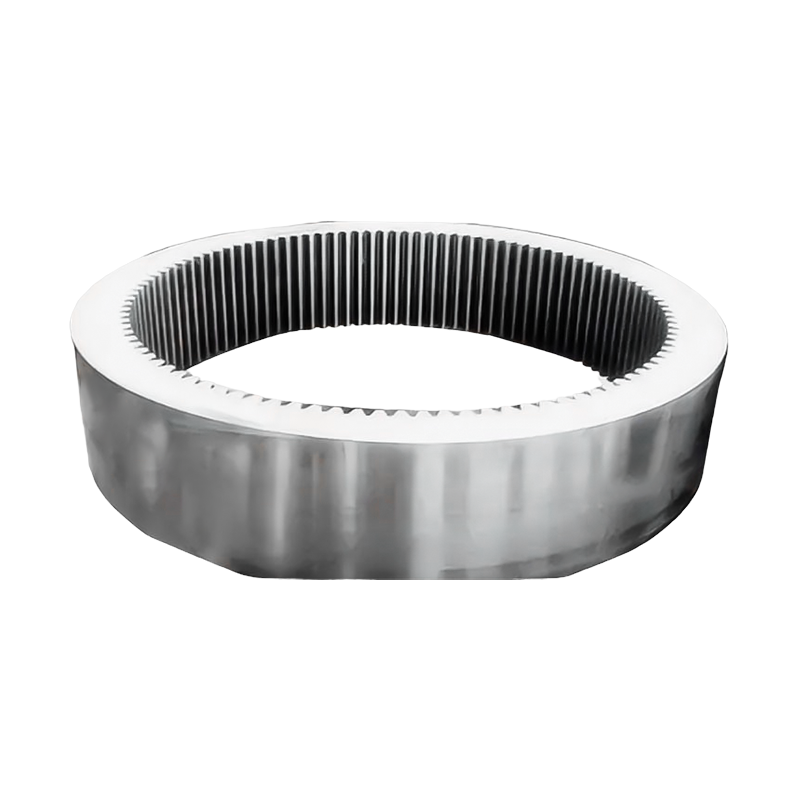
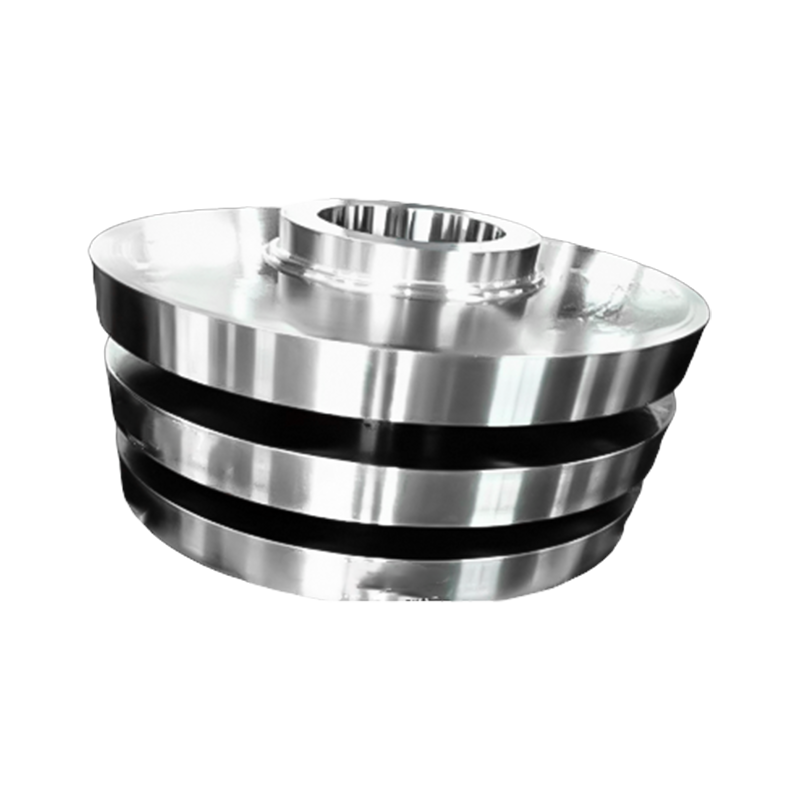
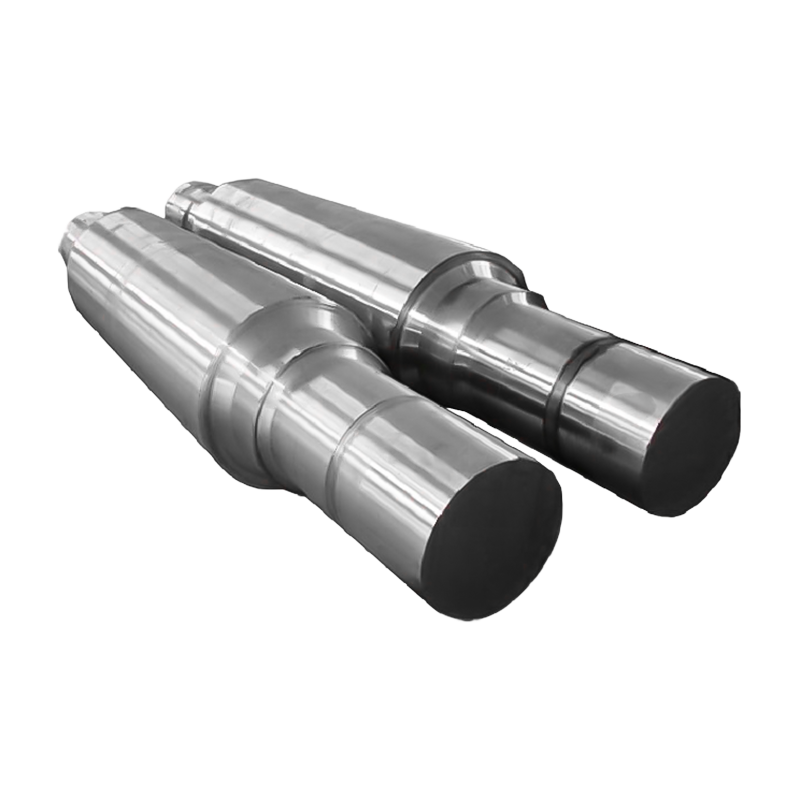
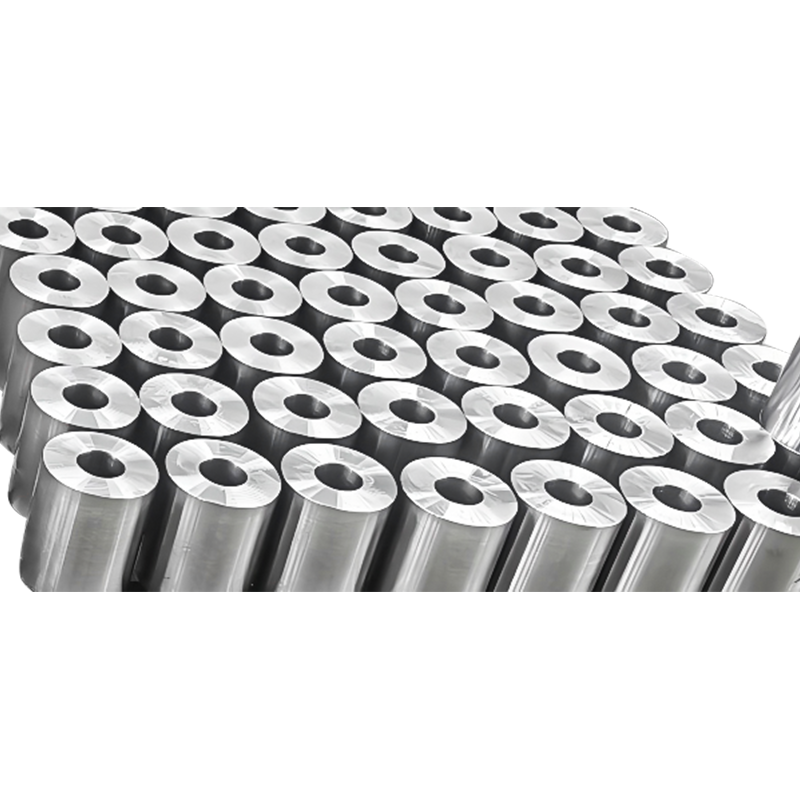
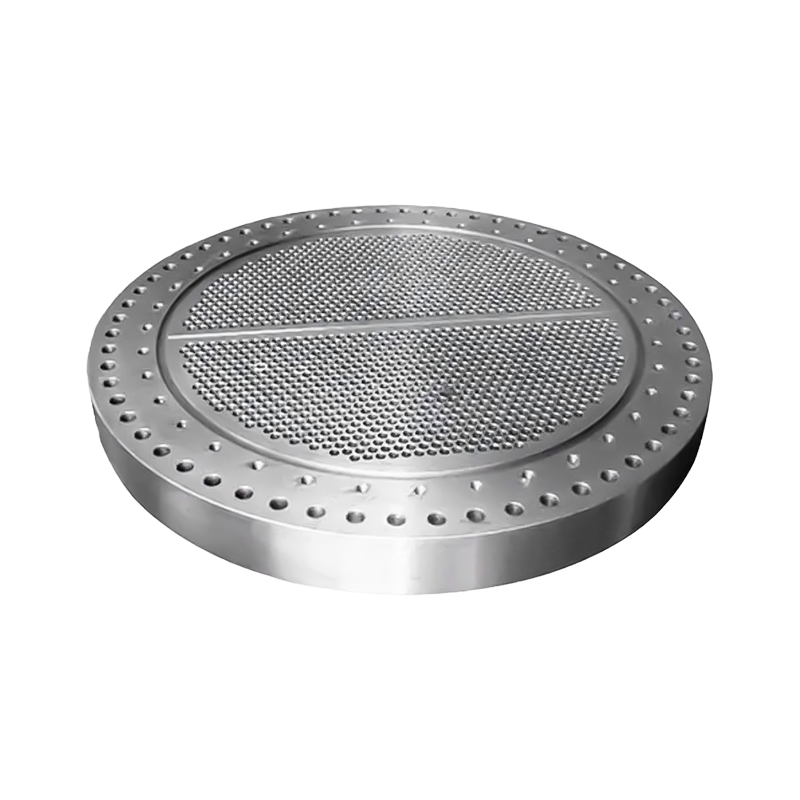
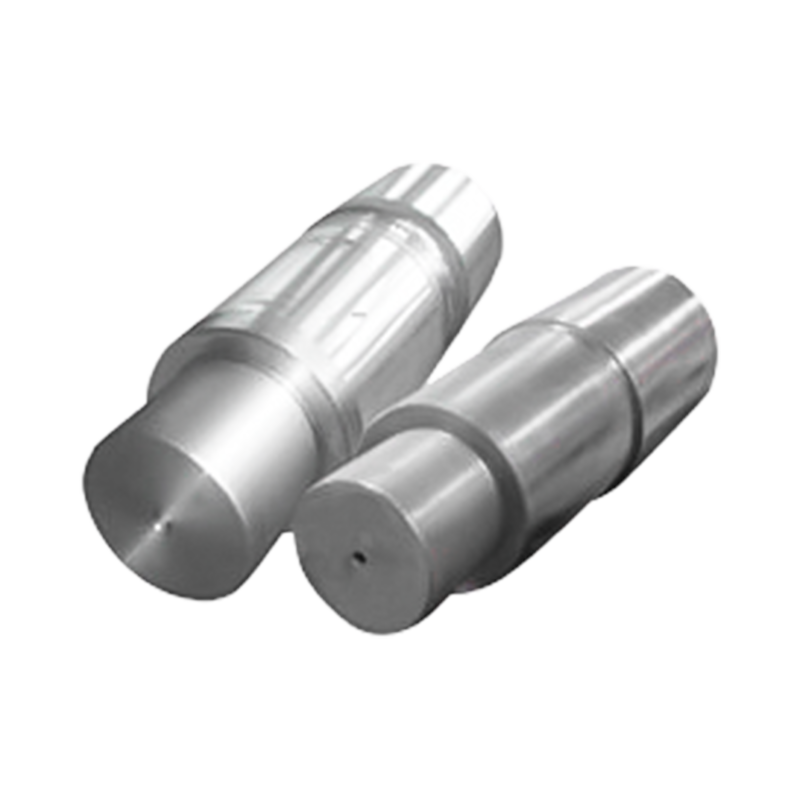
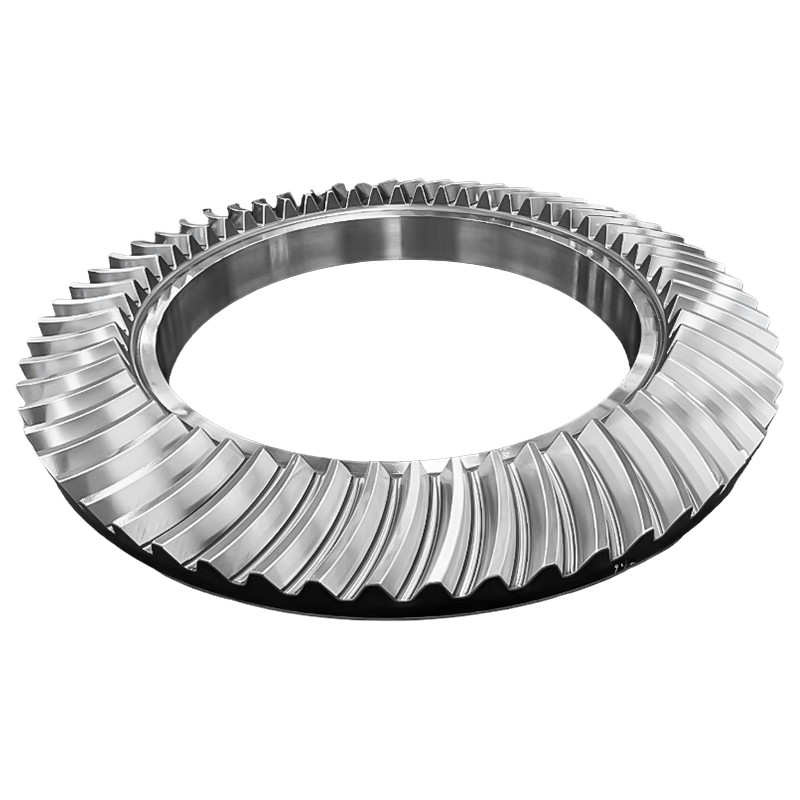
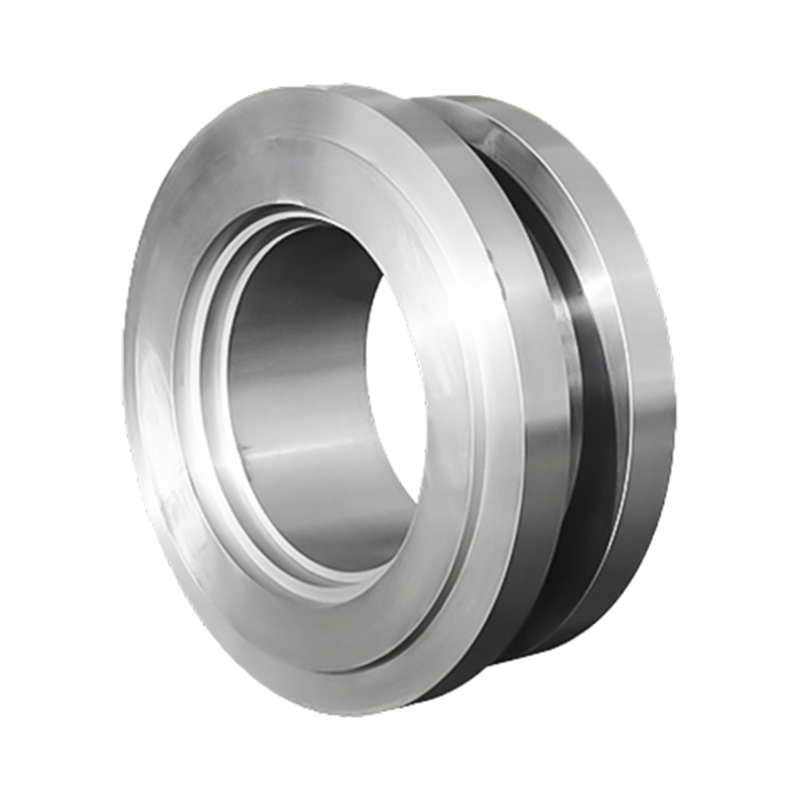
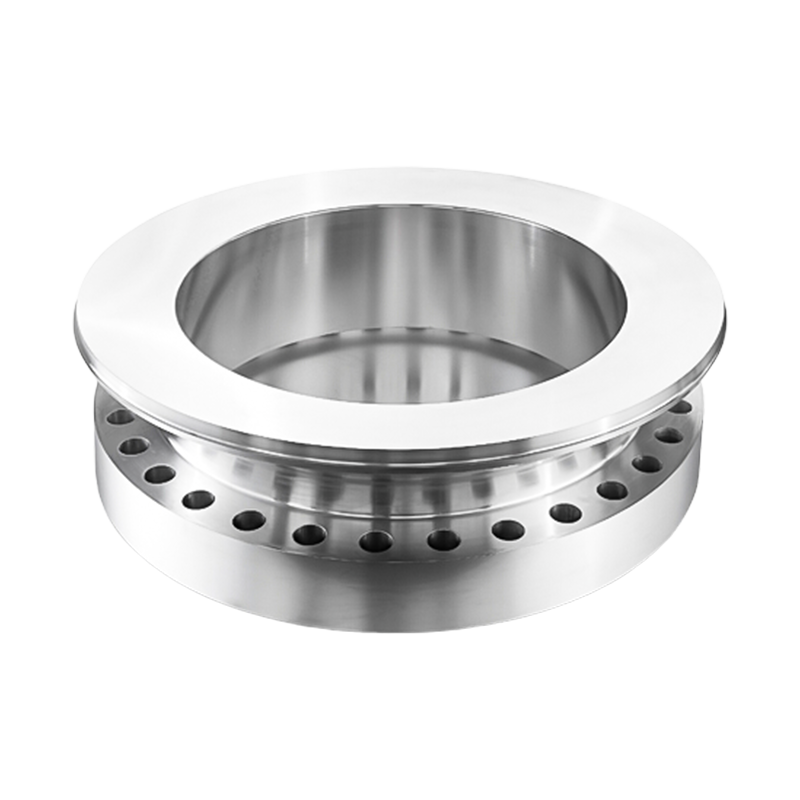
We Specialize in Forgings
Custom & Manufacturing

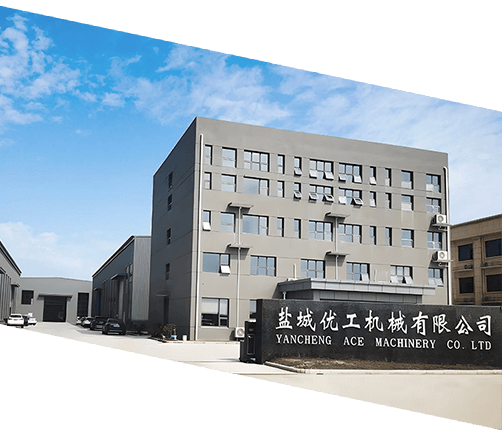
Yancheng ACE Machinery Co., Ltd.
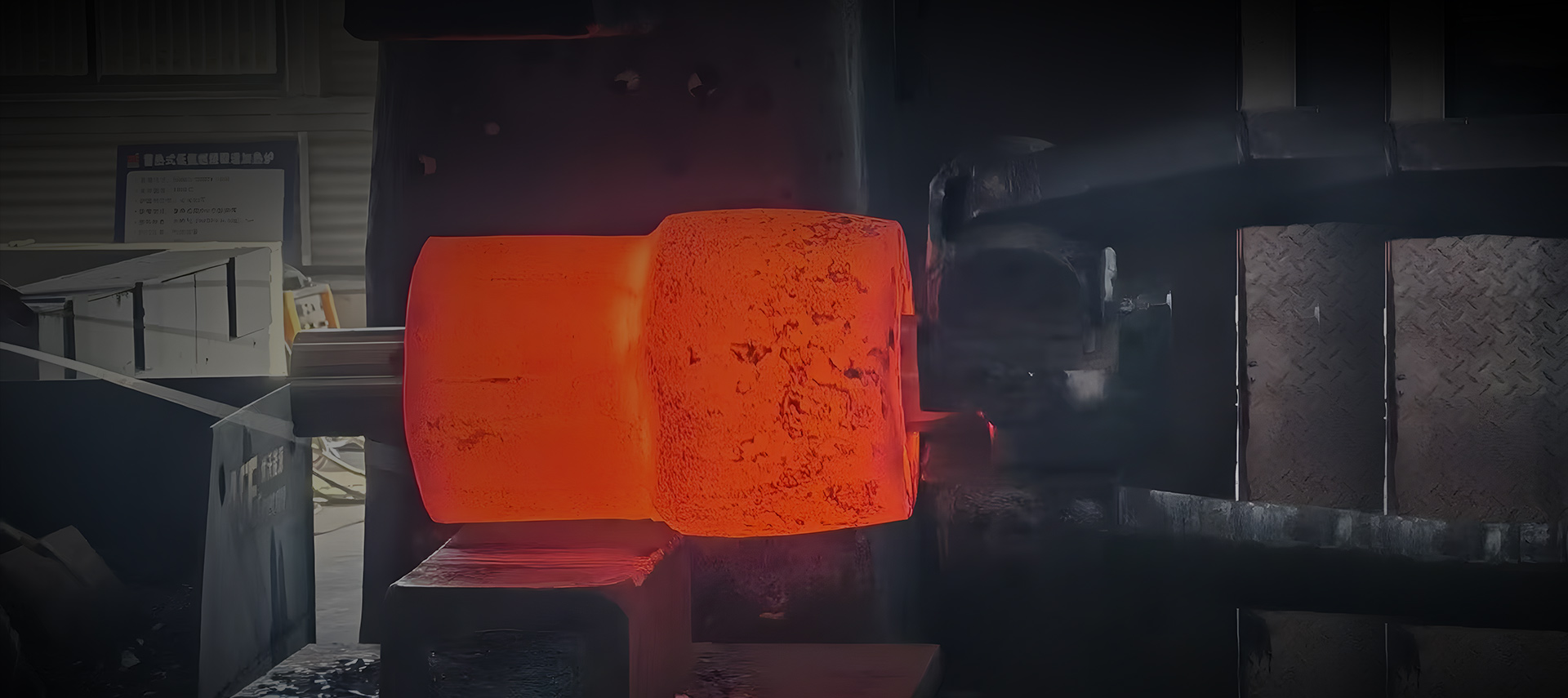
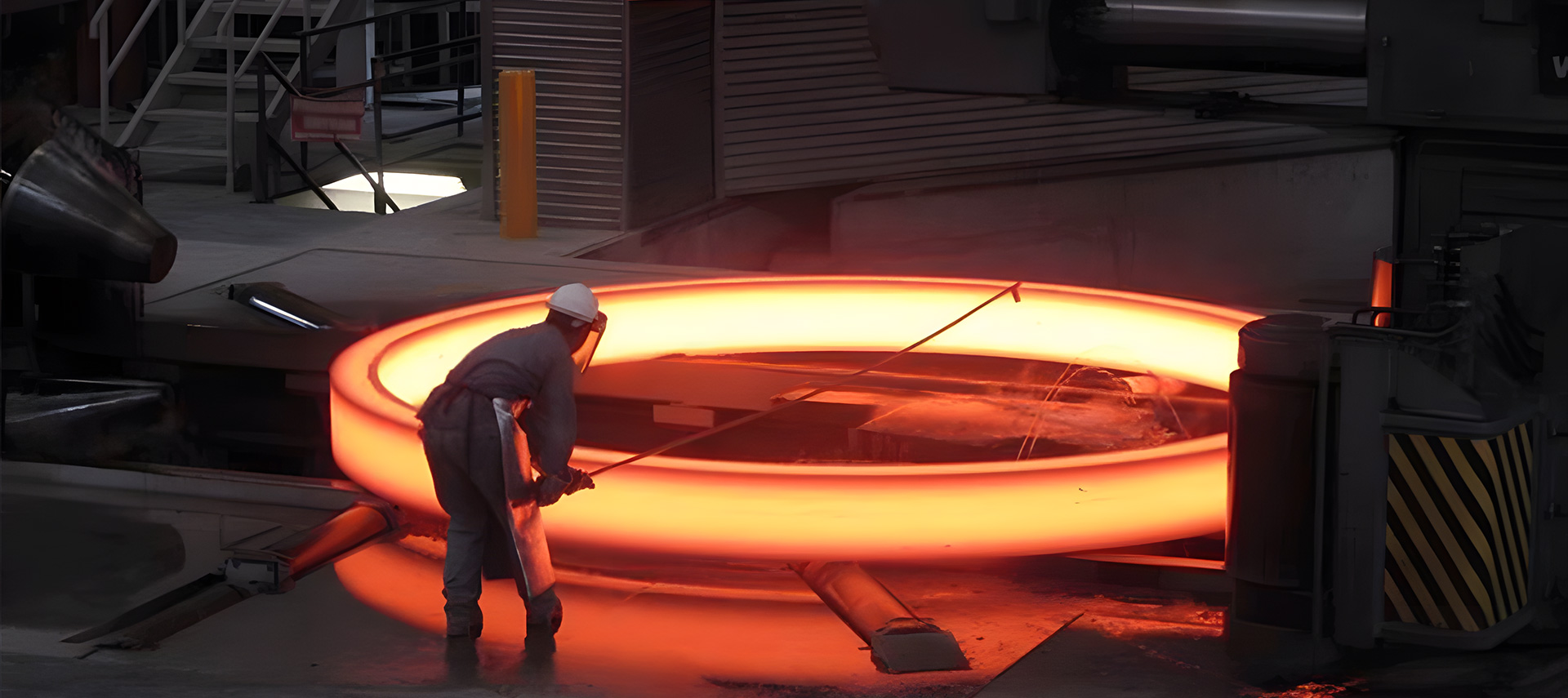
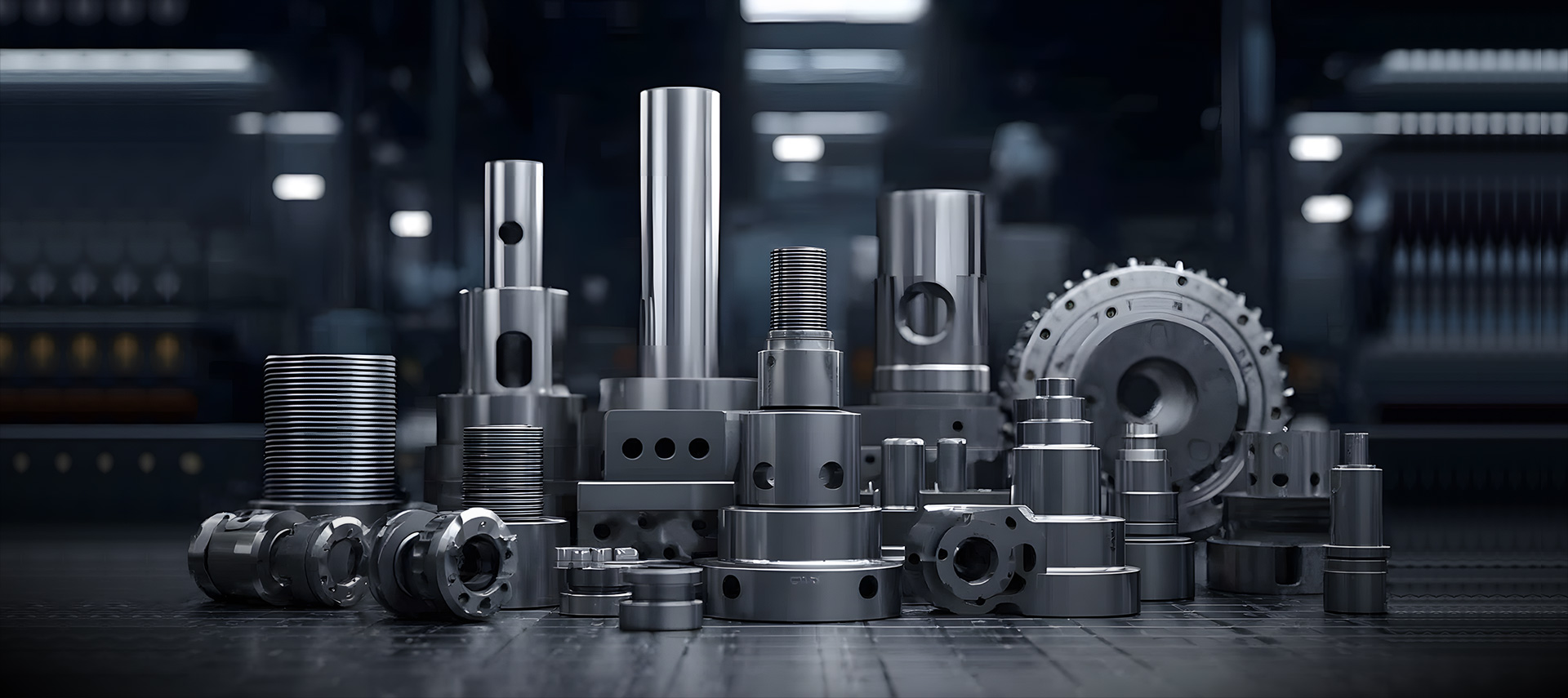
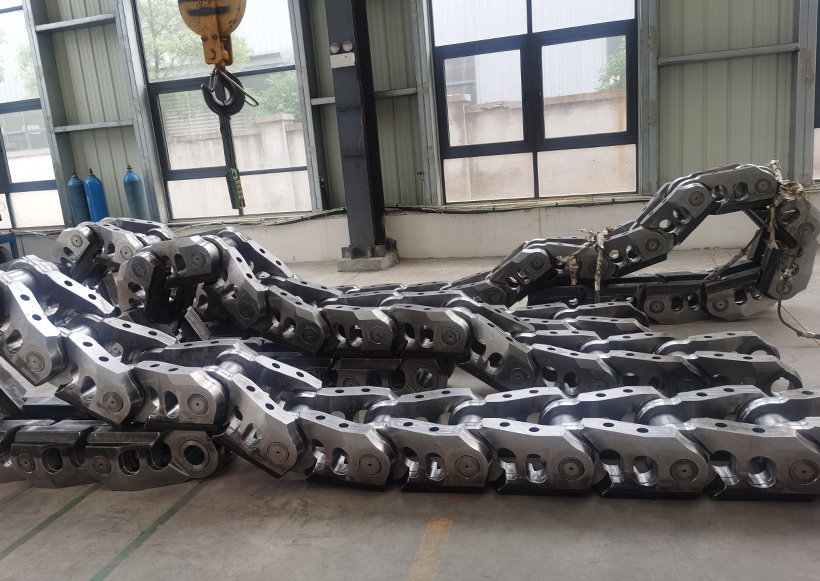
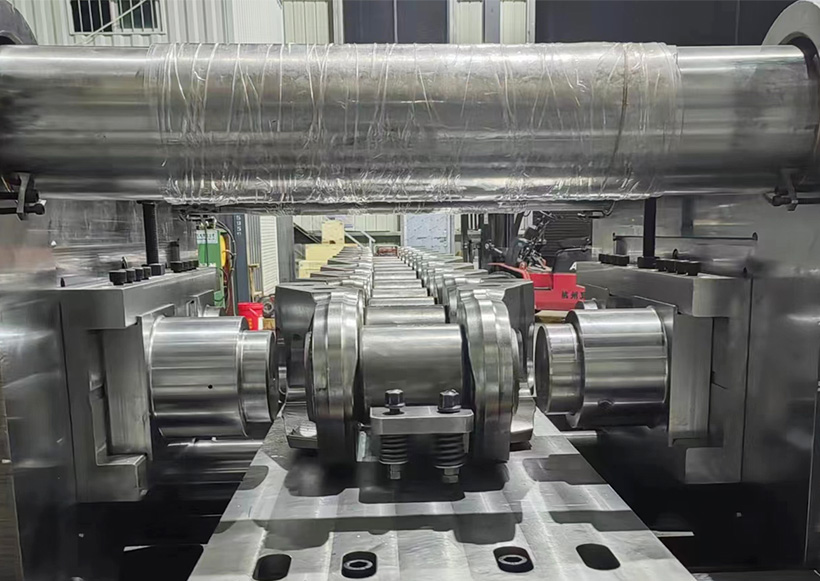
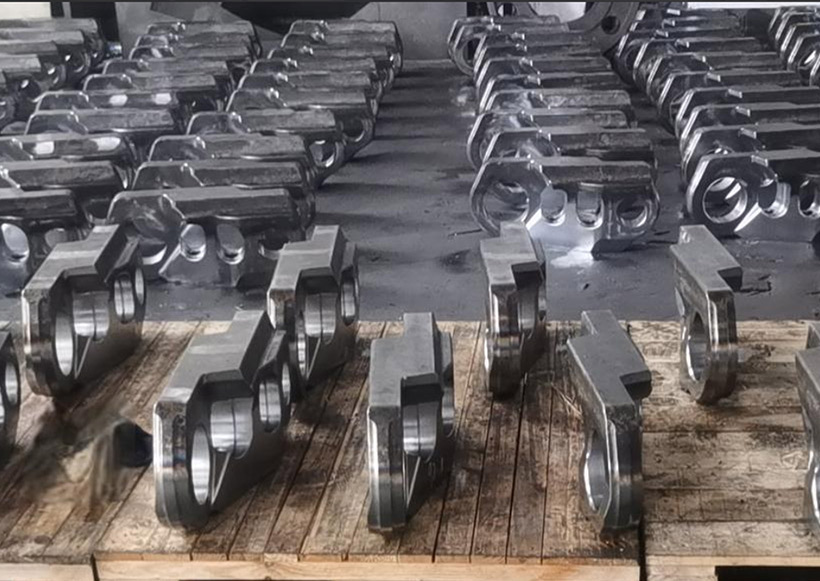
We specialize in the production and processing of large and complex forgings, and are able to meet a variety of non-standard customization needs, providing systematic solutions for demanding industries.
MORE ABOUT ACE
  • 0

    Factory Cover Area

  • 0+Millions

    Annual Output Value

  • 0Tons

    Annual Production

  • 0+

    Engineers

Proven Capabilities

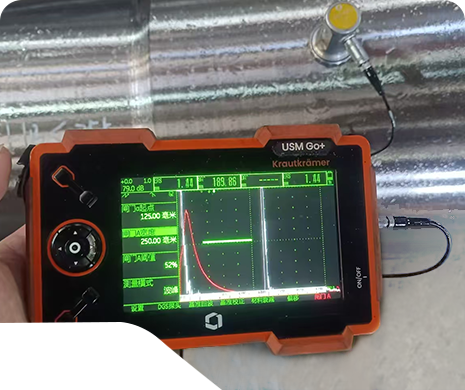
ACE has complete set of test and inspection facilities and expertise, capable of UT, PT, and MPI
with qualified operators.

  • 01

    Forging Versatility

    ACE is teamed with highly qualified professional personnel specialized in metal materials, machining, welding, surface treatment, etc.

  • 02

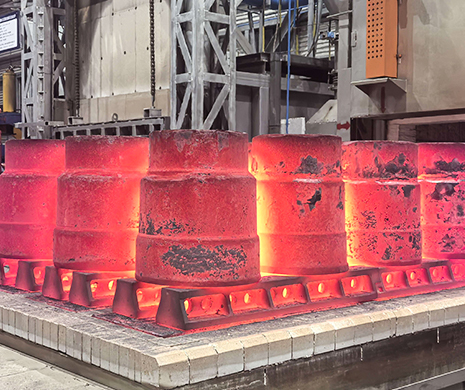
    Heat Treatment

    A process of heating and cooling materials, the metals, to alter their physical, mechanical, and chemical properties without changing their shape.
  • 03

    Precision Machining

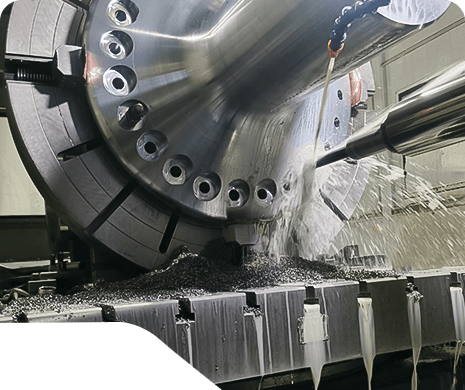
    A manufacturing process that uses computer-controlled machines to cut and shape metal into parts with extremely high accuracy and tight tolerances.
  • 04

    Quality Inspection

     It is a quality control process that involves evaluating metal products at various stages to ensure they meet specifications and standards. 

Successful Projects

Diversity offers flexibility, capability offers reliability, ACE Machinery aims to be one-stop
ace solution provider for our customers.

VIEW MORE PROJECT

Global Partners

With excellent quality and craftsmanship, over 95% of our products are exported to countries and regions including
the Netherland, Germany, Sweden, Denmark, Finland, Italy, the United Kingdom,
Canada, America, Chile, Brazil, Singapore, Austrilia, and so on.

News Update

Follow company news and stay informed about industry trends

  • 2025-10-28

    Summary of Basic Knowledge of Metal Heat Treatment

    Metal heat treatment is one of the important processes in mechanical manufacturing. Compared with other processing processes, heat treatment generally does not change the shape and overall chemical composition of the steel product, but changes the micro-structure inside the item or changes the chemical composition of the surface, thus endowing or improving the performance of the product. The purpose of metal heat treatment is to improve the intrinsic quality of the metal so that it has the required mechanical properties, physical properties and chemical properties. In addition to the reasonable selection of materials and various forming processes, heat treatment processes are often essential. Steel is the most widely used material in the mechanical industry. The microstructure of steel is complex and can be controlled through heat treatment. Therefore, the heat treatment of steel is the main content of metal heat treatment. Heat Treatment Process The heat treatment process generally includes three processes: heating, insulation, and cooling. Sometimes there are only two processes: heating and cooling. These processes are interconnected and cannot be interrupted. Heating is one of the important processes of heat treatment. There are many heating methods for metal heat treatment. Charcoal and coal were first used as heat sources, and liquid and gaseous fuels were recently used. The application of electricity makes heating easy to control and has no environmental pollution. These heat sources can be used for direct heating, or indirect heating through molten salt or metal, or even floating particles. Heating temperature is one of the important process parameters of the heat treatment process. Selection and control of the heating temperature are the main issues to ensure the quality of heat treatment. The heating temperature varies depending on the metal material being processed and the purpose of the heat treatment, but it is generally heated to above the phase transformation temperature to obtain a high-temperature structure. In addition, the transformation requires a certain amount of time. Therefore, when the surface of the metal reaches the required heating temperature, it must be maintained at this temperature for a certain period of time to make the internal and external temperatures consistent and the micro-structure transformation to be complete. This period of time is called insulation. When using high-energy-density heating and surface heat treatment, the heating speed isly fast and there is generally no insulation time, while the insulation time for chemical heat treatment is often longer. Cooling is also an indispensable step in the heat treatment process. The cooling methods vary depending on the process, mainly controlling the cooling rate. Generally, annealing has the slowest cooling rate, normalizing has a faster cooling rate, and quenching has a faster cooling rate than normalizing. But there are also different requirements due to different steel types. Surface heat treatment is a metal heat treatment process that only heats the surface layer of the metal to change the mechanical properties of the surface layer. In order to only heat the surface of the metal without transferring too much heat into the interior of the metal, the heat source used must have a high energy density, that is, a large amount of heat energy is given to the metal per unit area, so that the surface or part of the metal can reach high temperatures in a short time. The main methods of surface heat treatment include flame quenching and induction heating heat treatment. Commonly used heat sources include oxygen acetylene, oxygen propane, induced current, laser and electron beam. Chemical heat treatment is a metal heat treatment process that changes the chemical composition, structure and properties of the surface of the metal. Chemical heat treatment is to heat the metal in a medium (gas, liquid, solid) containing carbon, salt medium or other alloying elements, and keep it warm for a long time, so that the surface of the metal can penetrate elements such as carbon, nitrogen, boron and chromium. After the elements are infiltrated, other heat treatment processes such as quenching and tempering are sometimes performed. The main methods of chemical heat treatment include carburizing, nitriding, and metalizing. Overall speaking, metal heat treatment is one of the important processes in the manufacturing process of mechanical parts and tools and molds. It can ensure and improve various properties of the metal, such as wear resistance, corrosion resistance, etc. On the other hand, it can also improve the structure and stress state of the blank to facilitate various cold and hot processing.
  • 2025-10-28

    Common Surface Classifications of Stainless Steel

    Stainless steel is a common metal material that has excellent corrosion resistance and aesthetics, and it is widely used in various fields. The most basic characteristics of stainless steel are its rust resistance under atmospheric conditions and corrosion resistance in various liquid media. This characteristic is directly related to the chromium content in the steel. The presence of chromium causes an invisible film to be formed on the surface of the steel, which can prevent oxidation and make the material "passivated"or resistant to corrosion. Adding other elements such as nickel or molybdenum can improve corrosion resistance, strength and temperature resistance. In order tofurther enhance the function and appearance of stainless steel, it is often necessary to perform surface treatment. This blog will shed light on the common surface classifications of stainless steel over the past few years. Shiny Surface The shiny surface refers to the stainless steel surface after polishing or polishing treatment, with a high finish and reflection ability. Shiny surfaces are commonly found in household goods, kitchenware and decorative areas. It is characterized by smooth and bright surface, which can effectively enhance the look and feel of the product. Stainless steel products with shiny surfaces need to be polished and polished several times in the production process to obtain the ideal surface finish. Mirror Surface The mirror surface is a special bright surface, which has a higher finish and can show the general effect of a mirror. Mirror stainless steel is often used in architectural decoration, electronic products and high-end household goods and other fields. Mirror surface stainless steel products need to go through multiple polishing and polishing processes to eliminate surface texture and defects, and obtain a highly reflective mirror effect. Sandblasted Surface The sandblasted surface is a stainless steel surface with a rough texture, which is characterized by a rough surface. It can effectively increase the friction and anti-slip property of the product. Sandblasted stainless steel is commonly used in kitchen equipment, electronic product housings and industrial equipment. Sandblasting can sharpen the stainless steel surface by spraying high-speed particles to form a uniform fine granular texture, thereby increasing the roughness and touch of the surface.
  • 2025-10-28

    How to forge stainless steel forgings?

    1. Billet Preparation: The First Step of Life and DeathSurface Peeling: Stainless steel billets must be thoroughly ground to remove scale and cracks—a small amount of rust means wear after forging.Preheating and Dehumidification: Slowly increase the temperature from 200-400°C to expel hydrogen and prevent hydrogen embrittlement cracking in high-alloy steel. 2. Heating Control: The Art of Walking the TightropeStep-by-Step Temperature Increase:Slowly increase the temperature below 650°C (to prevent thermal stress cracking).Rapidly increase the temperature above 800°C (to shorten high-temperature exposure time).The Iron Rule of Precise Temperature Control:Austenitic stainless steel (e.g., 304): Never stay in the 500-850°C range for more than 15 minutes (otherwise, corrosion resistance collapses).Martensitic stainless steel (e.g., 420): Stop the furnace immediately if the temperature exceeds 1100°C (overheating will render it useless).Indicate the temperature by observing the flame color:Bright yellow (approximately 1100°C) → Forging can begin. Dark red (<900°C) → Stop hammering to save your life! 3. Forging Operation: Quick, Accurate, and RuthlessStrike with a Heavy Hammer:High-alloy steel has poor thermal conductivity → The surface cools quickly; the core must be hammered through within three blows.Deformation >20% per blow (to prevent surface cracks from extending inward).Avoid Crack Zones:Stop Forging Temperature: Austenitic steel ≥850°C, martensitic steel ≥950°C (forging below this temperature will inevitably crack).Lightly hammer and polish corners (high-risk areas for stress concentration). 4. Cooling: A Dangerous BattlefieldMartensitic Stainless Steel (e.g., 420/440):Immediately place the steel in a slow cooling pit (buried in hot sand/asbestos felt) after forging → Cooling too quickly = cracking!Cool to below 300°C, then air cool. Austenitic stainless steel (such as 304/316):Water quenching for rapid cooling (skipping the 500-800°C carbide precipitation zone) → Maintaining corrosion resistance!Duplex stainless steel (such as 2205):Air cooling to room temperature → Strictly avoid water quenching (to prevent phase transformation stress cracking). 5. Heat Treatment: The Final Word on PerformanceAustenitic steel:Solution treatment: Water quenching at 1100°C → Dissolves carbides, achieving peak corrosion resistance.Martensitic steel:Annealing and softening: Slow cooling at 850°C → Facilitates machining.Quenching + tempering: Oil quenching at 1000°C + tempering at 200-300°C → Hardness of HRC 50+, making it a highly wear-resistant tool. 6. Special Operations TechniquesPreventing surface chromium depletion:Passing argon/nitrogen through the heating furnace → Preventing scale formation (oxidation = chromium loss = plummeting corrosion resistance). Key to Large Forgings:"Two Light, One Heavy" Hammering Technique: First, lightly hammer to loosen the core, then hammer hard to shape it (to prevent the core from melting and cracking).Welding Repair Taboos:Forging defects must not be directly welded! They must be scraped clean, reheated, and then forged to close the gap (welding repair = corroded bullseye).
  • 2025-10-28

    What are stainless steel forgings?

    1. Material Nature: Corrosion-Resistant Steel + ForgingStainless Steel Core: Contains high chromium (at least 10.5%), forming a self-healing oxide film that resists rust, acid, and alkali.Forging Process: High-temperature, high-pressure hammering, not casting or machining. 2. The Core Value of ForgingSlag and Pore Removal: Forging compacts internal pores and looseness in the metal, eliminating corrosion "breakthroughs."Directional Strengthening: Grains extend along the direction of force, increasing tensile and fatigue resistance.Toughness Guarantee: Eliminates as-cast coarse grains, preventing brittle cracking under low-temperature impact. 3. Stainless Steel Family Members (Select by Function)--Martensitic Stainless Steel (such as 410 and 420):Hardenable, wear-resistant and scratch-resistant, with high strength.Weaknesses: Welds easily crack, and corrosion resistance is inferior to its counterparts.Mining Applications: Components requiring wear resistance and mild corrosion protection (such as mining valve cores and wear-resistant bushings). --Austenitic stainless steel (such as 304 and 316):Ace in corrosion resistance (316 is particularly resistant to chloride ion corrosion).Excellent toughness and resistance to magnetization, but relatively low hardness.Mining applications: Slurry pump bodies, acid leaching tank agitator shafts, and seawater beneficiation pipeline flanges. --Duplex stainless steel (such as 2205):Austenitic and ferritic dual structure, offering both strength and corrosion resistance.Excellent at resisting stress corrosion cracking.Mining applications: High-pressure slurry valves and bolts for highly corrosive environments. 4. Practical Applications in Mining ScenariosCorrosion Frontline:Slurry pump impellers and pump casings (wear and acid and alkali resistance).Flotation machine agitator shafts and blades (sulfide corrosion resistance).High-pressure seals:Hydraulic support valve blocks and high-pressure joints (strength, corrosion resistance, and leak prevention).Abrasion and corrosion dual-kill zone:Elbows in pipelines containing solid particles (lined with stainless steel forgings).  5. Advantages of Rolling Compared to Ordinary Stainless SteelOrdinary Stainless Steel Stainless Steel ForgingsCasting (may contain shrinkage cavities and slag inclusions) Dense and defect-free, providing a solid foundation for corrosion resistanceMachining (cuts grain flow lines) Directed grain reinforcement, offering impact and fatigue resistanceRelies on the inherent corrosion resistance of the material: A dual protective shield of material and forging 6. Ironclad Rules of UseAvoid mixing steels: Stainless steel forgings require stainless steel welding consumables for welding/assembly to avoid carbon steel contamination and electrochemical corrosion.Avoid improper hot working: Austenitic stainless steel exposed to sensitive temperatures (450-850°C) for extended periods can degrade its corrosion resistance.The surface is armor: Pickling and passivation are essential to activate the chromium oxide film and maximize corrosion resistance.
  • 2025-11-10

    Warm Congratulations on The Successful Opening of The New Factory of ACE Machinery

    Warm Congratulations on The Successful Opening of The New Factory of ACE Machinery
  • 2025-11-14

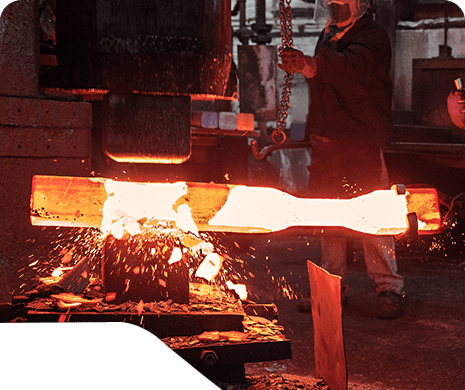
    Forging launch: Inaugural Hammer Strike

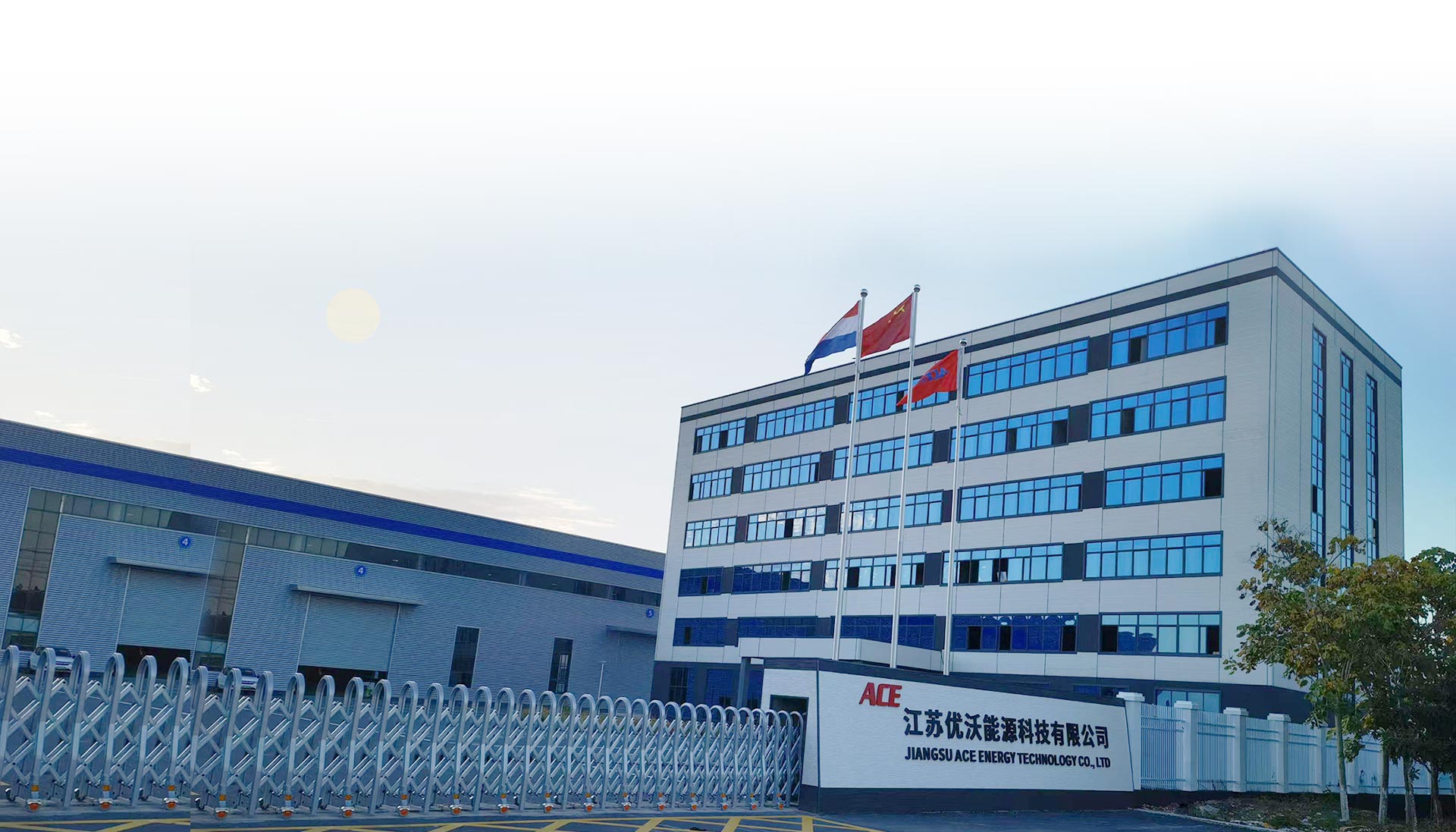
    With a resounding clang of the hammer, a new journey begins! Recently, the grand opening ceremony of Jiangsu ACE Energy Co., Ltd.'s forging base and the launch ceremony for the "first hammer" production were held in the Dafeng Economic Development Zone Industrial Park, Jiangsu Province. As ACE Energy Chairman Zhai Liuyun swung the forging hammer, symbolizing "the beginning of craftsmanship and empowerment of energy," the red-hot alloy steel billet was precisely shaped under the 5-ton press hammer. Amidst sparks, the first core forging for wind power was successfully produced, marking the official commencement of operation for a key project in ACE Energy's high-end forging layout and the completion of its forging industry chain. This injects strong momentum into the development of the green energy industry in the Yangtze River Delta region. The opening ceremony was a vibrant affair, with colorful flags fluttering in the breeze. Leaders from the Dafeng Industry Association of Yancheng City, Jiangsu Province, representatives of forging companies, industry experts, partners, media friends, and all employees of ACE Energy witnessed this milestone moment. Amidst enthusiastic applause, Zhai Liuyun, General Manager of ACE Energy, delivered a speech, stating, “As a company deeply rooted in the energy sector, ACE Energy's establishment of a forging base is a crucial step in responding to the national strategy of ‘independent control over high-end equipment’ and improving the supply chain of core components. The ‘first hammer blow’ is not only the starting signal for production but also our solemn commitment to ‘precision forging, quality as the foundation, and empowering green energy.’ From the base's preparation to its commissioning, we have consistently built our R&D system to international standards and strictly controlled the entire production process, striving to become a core supplier of high-end forgings in the energy sector. The ‘first hammer blow’ marks not only a starting point but also a commitment. In the future, Jiangsu ACE Energy Co., Ltd. will be guided by technological innovation and focus on quality upgrades, deeply cultivating the high-end forging track in the energy sector. This will enable continuous overcoming of technical challenges, optimization of its product system, and provision of higher-quality and more reliable forging products and solutions to global energy companies. We will steadily move towards our goal of ‘becoming a leading international supplier of core forgings for energy equipment,’ laying a solid foundation for the development of my country's green energy industry!”