

 English
 中文简体
中文简体

Industry News
Home / News / Industry News / Why Are Oil and Gas Forgings Critical for High-Pressure and Corrosive Environments?
 Home / News / Industry News / Why Are Oil and Gas Forgings Critical for High-Pressure and Corrosive Environments?
Industry News
Why Are Oil and Gas Forgings Critical for High-Pressure and Corrosive Environments?
2026-03-01
Content
The Indispensable Role of Oil and Gas Forgings in Modern Energy Infrastructure
In the complex and high-stakes world of energy extraction, the reliability of infrastructure is paramount. The sector relies heavily on components that can withstand unimaginable forces, from the crushing pressures found in deepwater reservoirs to the corrosive elements present in sour gas fields. Among the various manufacturing methods available, oil and gas forgings stand out as the premier choice for critical applications. Unlike castings or welded fabrications, forgings offer a level of structural integrity and homogeneity that is essential for preventing catastrophic failures in the field.
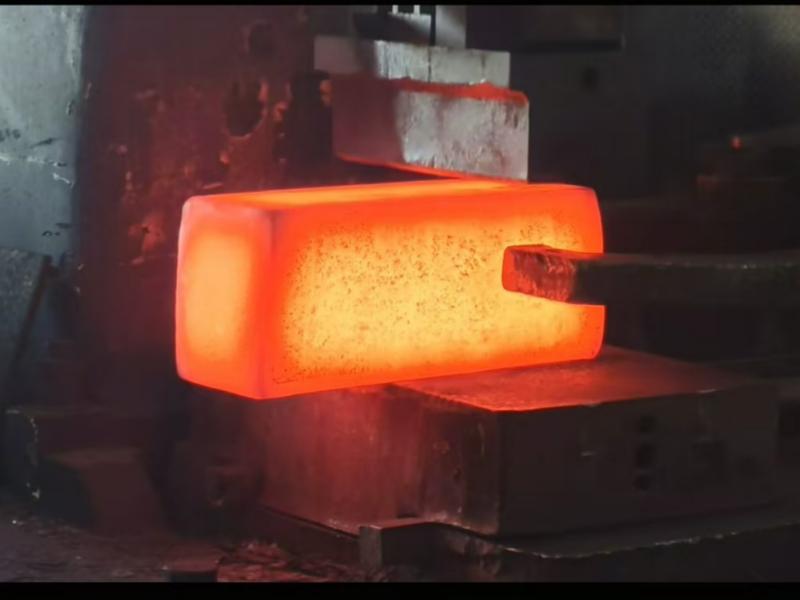
The process of forging involves shaping metal using localized compressive forces, delivered via hammering, pressing, or rolling. This thermal and mechanical manipulation refines the grain structure of the metal, aligning it with the contour of the component. Consequently, oil and gas forgings exhibit superior directional strength and fatigue resistance. Whether it is for a subsea Christmas tree or a drilling jar, the metallurgical continuity provided by forging ensures that the metal can endure the cyclical loading and high impact forces typical of upstream operations without succumbing to brittle fracture or fatigue cracking.
Material Selection and Metallurgical Excellence
Selecting the appropriate material for oil and gas forgings is a rigorous science that dictates the service life and safety of the equipment. The environment in which these components operate dictates the chemical composition required. Standard carbon steels, while robust, are often insufficient for the aggressive conditions found in modern extraction sites. Instead, engineers frequently specify low-alloy steels enriched with chromium and molybdenum. These elements enhance hardenability and corrosion resistance, specifically against oxidizing atmospheres.
For the most challenging environments, such as offshore platforms where saltwater corrosion is a constant threat, stainless steels and duplex alloys are the materials of choice. Duplex stainless steels, for instance, provide a dual-phase microstructure that offers exceptional resistance to stress corrosion cracking and pitting. In "sour service" applications—environments containing hydrogen sulfide (H2S)—the material must meet NACE MR0175 standards to prevent sulfide stress cracking. This standard mandates strict controls over the hardness of the steel, usually ensuring it remains below 22 HRC, which is achieved through precise heat treatment of the forging.
Open Die vs. Closed Die Forging Techniques
The manufacturing of oil and gas forgings utilizes two primary methodologies, each serving distinct engineering needs based on the size and geometry of the final product. Understanding the difference between these techniques is crucial for procurement managers and engineers alike.
Open Die Forging for Massive Components
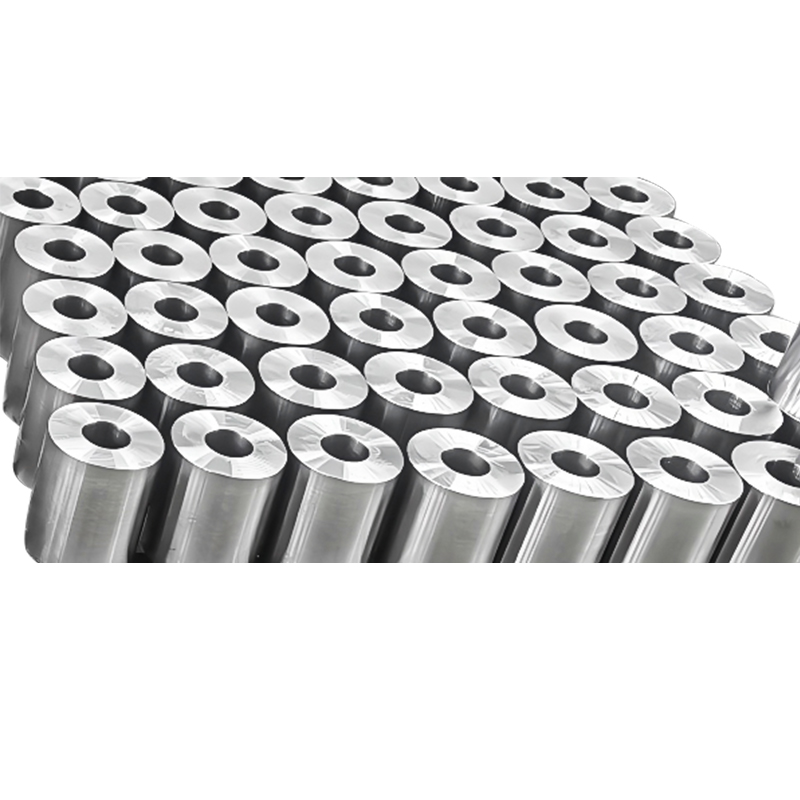
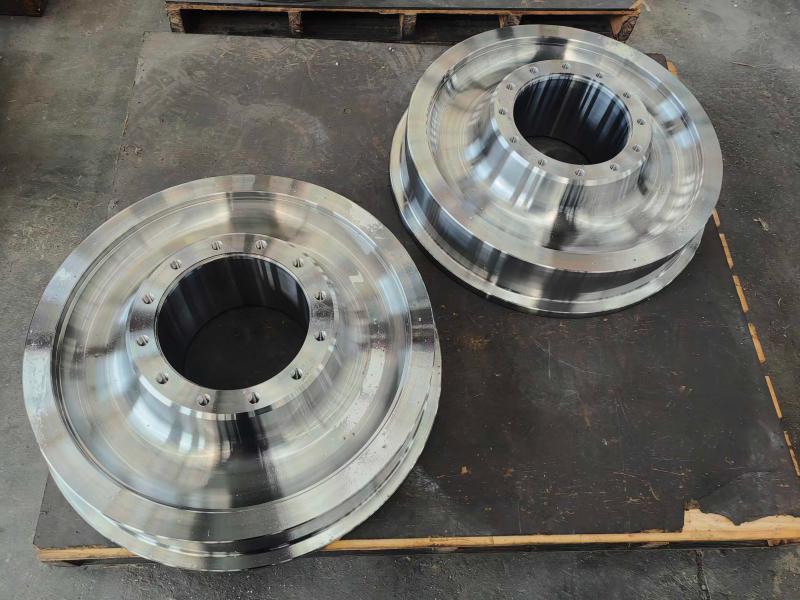
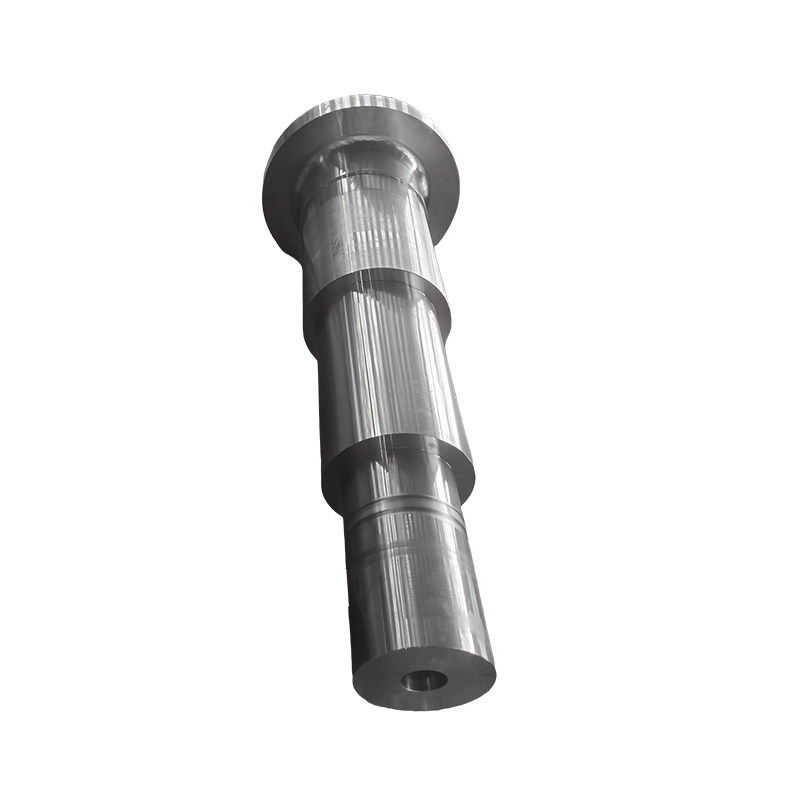
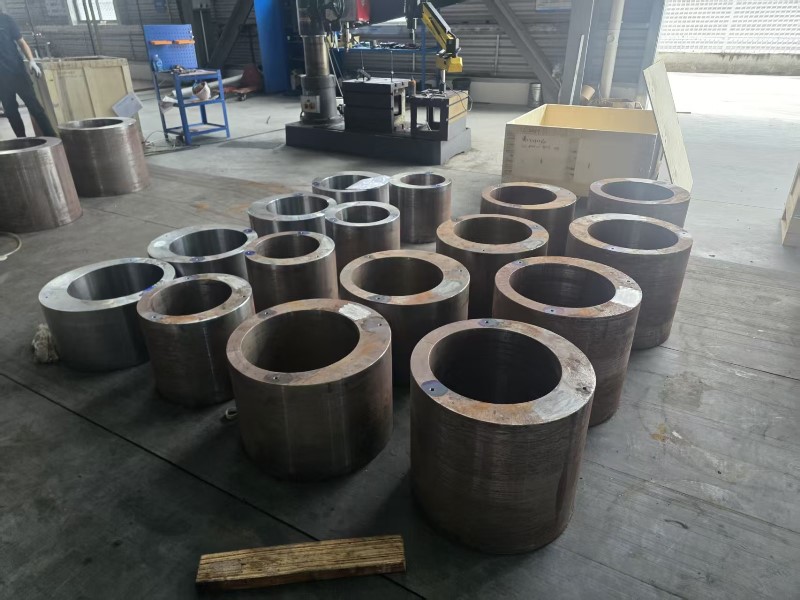
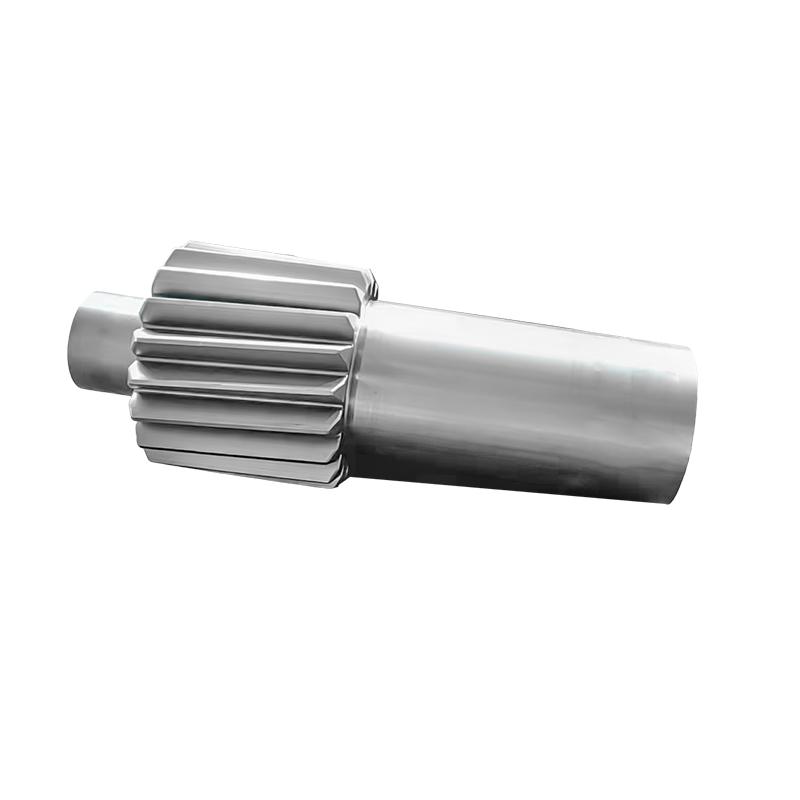
Open die forging is a process where the metal is deformed between multiple dies that do not completely enclose the workpiece. This method is the go-to solution for extremely large, heavy components that would otherwise exceed the size limitations of molds. It is commonly used for creating shafts, seamless rolled rings, and generator rotor shafts. The primary advantage of open die forging lies in its ability to consolidate the internal structure of large ingots. By hammering the metal, any porosity or voids from the original casting are eliminated, resulting in a product with isotropic mechanical properties—meaning the strength is uniform in all directions.
Closed Die Forging for Precision Parts
Conversely, closed die forging involves placing the heated metal into a die cavity that resembles the negative image of the desired shape. As the die closes, the material flows to fill the cavity, creating intricate details with high precision. This technique is ideal for producing high-volume components like valve bodies, flanges, and fittings for piping systems. Closed die oil and gas forgings require significantly less secondary machining, reducing material waste and lead times. The net-shape capability of this process ensures that the grain flow follows the complex geometry of the part, thereby enhancing its fatigue life significantly under high-pressure conditions.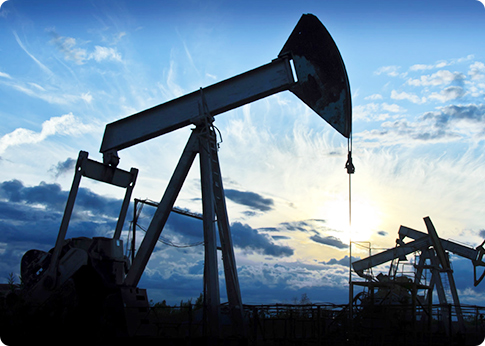
The Economic Impact of Reliability and Failure Prevention
While the upfront cost of oil and gas forgings can be higher than that of cast or fabricated alternatives, the total cost of ownership paints a different picture. In the oil and gas industry, unplanned downtime is astronomically expensive. A single failure in a subsea pipeline component can halt production for weeks, costing millions in lost revenue and requiring expensive intervention vessels to perform repairs.
Investing in high-quality forgings acts as an insurance policy against these disruptions. The reliability of a forged flange or connector allows operators to extend maintenance intervals, moving from reactive repairs to predictive maintenance strategies. For example, a drilling rig operating in the North Sea relies on top drive components that must endure millions of cycles. The use of oil and gas forgings ensures that these components can survive the operational lifespan of the rig without replacement, thereby optimizing the return on capital expenditure.
Quality Assurance and Non-Destructive Testing (NDT)
The integrity of oil and gas forgings is verified through rigorous quality assurance protocols. Given the hazardous nature of the fluids and gases being transported, industry standards such as API Spec 6A, API Spec 20E, and ASME Section VIII demand strict compliance. A cornerstone of this quality control is Non-Destructive Testing (NDT), which allows inspectors to verify the internal and external soundness of the part without damaging it.
Ultrasonic Testing (UT) is perhaps the most critical NDT method for forgings. It utilizes high-frequency sound waves to detect internal flaws such as inclusions, voids, or cracks that are invisible to the naked eye. For critical safety components, 100% ultrasonic inspection is standard. Additionally, Magnetic Particle Inspection (MPI) is employed to locate surface and near-surface discontinuities in ferromagnetic materials, while Liquid Penetrant Testing (PT) is used for non-ferrous materials. These tests ensure that every oil and gas forging delivered to a client is free from defects that could compromise safety.
Message Us Right Now!
-
Mobile Terminal
-
Quick Links
Products About Us Equipment & Capacity Quality News Contact Us -
Product Category
Power‑Generation Forgings OEM Machined Forgings CUSTOMIZED MADE FORGING PARTS Ship and Port Machinery Forgings Mining and Metallurgy Forgings Food and Feed Machinery Forgings Welding Fabrication Petrochemical Industry Forgings -
Contact Us
Mob.: +86-173 7218 0878 Tel.: +86-515-8389 0396 E-mail: ivy.zhai@aceprocess.cn Add.: No.21 Jinfeng Road, Economic Development Park, Dafeng District, Yancheng City, Jiangsu, China
Copyright © 2025 Yancheng ACE Machinery Co., Ltd. All Rights Reserved.
China open die forgings manufacturer
custom precision forgings supplier
