

 English
 中文简体
中文简体



Applied in wind turbine gearboxes for power transmission. High-quality alloy steel is selected for production, and the performance is enhanced through forging and heat treatment processes. Installation guidance and fault diagnosis services are provided. Their advantages lie in strong fatigue resistance, which ensures the stable operation of gearboxes and improves wind energy conversion efficiency.
About Us
ACE Group is a comprehensive enterprise group focused on the heavy industrial manufacturing sector, serving as a China Wind Turbine Gearbox Forgings Supplier and Wind Turbine Gearbox Forgings Company. Its business spans forging, heat treatment, precision machining, welded structures, and heavy-duty power & free chain spraying production. This integrated layout covers the core production processes of the industrial machinery industry, combining technological strength with large-scale production capabilities.
Core Subsidiaries Details:
Jiangsu ACE Energy Technology Co., Ltd.: The group's core production base, officially commencing operations in November 2025. It occupies 55 acres with a total floor area exceeding 50,018 square meters. The factory is equipped with 3-ton, 5-ton, and 15-ton electro-hydraulic hammers; 1-meter and 1.5-meter vertical ring rolling machines; energy-efficient natural gas heating furnaces; heat treatment resistance furnaces; quenching tanks; induction hardening equipment; machining centers; and other production equipment.
Yancheng ACE Machinery Co., Ltd.: Established in 2019, it occupies 20 acres with a floor area of 13,333 square meters. It possesses an integrated welding-straightening structural steel production line and a precision machining workshop.
Yancheng ACE Surface Treatment Technology Co., Ltd.: Operates a heavy-duty power & free chain large-scale powder coating production line. Focusing on professional surface treatment technology, One-time coating thickness achieves 400μm, providing reliable anti-corrosion and weather-resistant protective performance and appearance optimization solutions, enhancing the group's full life-cycle product services.
ACE Group is supported by a management team of young key members who are experienced in materials, heat treatment, machining, and surface treatment industries. They are well-versed in international and domestic standards, pioneering, and committed to innovation. The subsidiary ACE Machinery has passed TÜV Rheinland ISO 9001 Quality Management System certification, as well as ISO 14001, 45001, and 50001 system certifications. It is recognised as a Specialised, Refined, Unique, and Innovative Enterprise, a National High-Tech Enterprise, and holds a 3A-level enterprise credit rating.
Relying on integrated MES and ERP management systems, the integration of informatisation and industrialisation, data cloud storage, and aiming to build a modern, energy-efficient enterprise, the group maintains a comprehensive inspection system. It possesses inspection tools, non-destructive testing equipment, and qualified personnel, implementing strict controls from material internal quality to appearance and dimensions. All outgoing products undergo 100% inspection, adhering to the business philosophy of pursuing 100% qualified outgoing products and zero customer complaints. A CNAS-standard laboratory will be established to provide scientific testing support for quality control during production and technological R&D, thereby enhancing product quality and technological innovation.
In the future, ACE Group will continue to leverage the technical advantages and industrial synergies of its subsidiaries. Through standardised production, specialised technology, integrated services, and a stringent quality control system, it is committed to providing efficient and reliable industrial manufacturing solutions for global clients, steadily advancing towards becoming a leading comprehensive manufacturing service provider in the industry.
Certificate
-
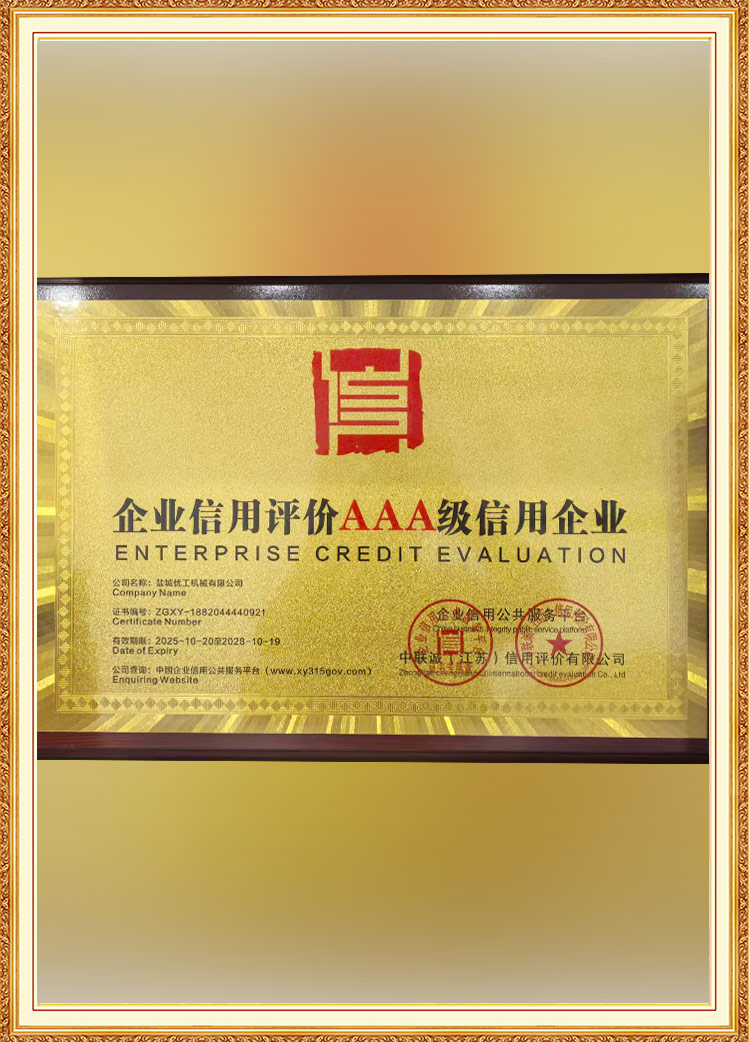 Enterprise Credit Evaluation AAA
 -
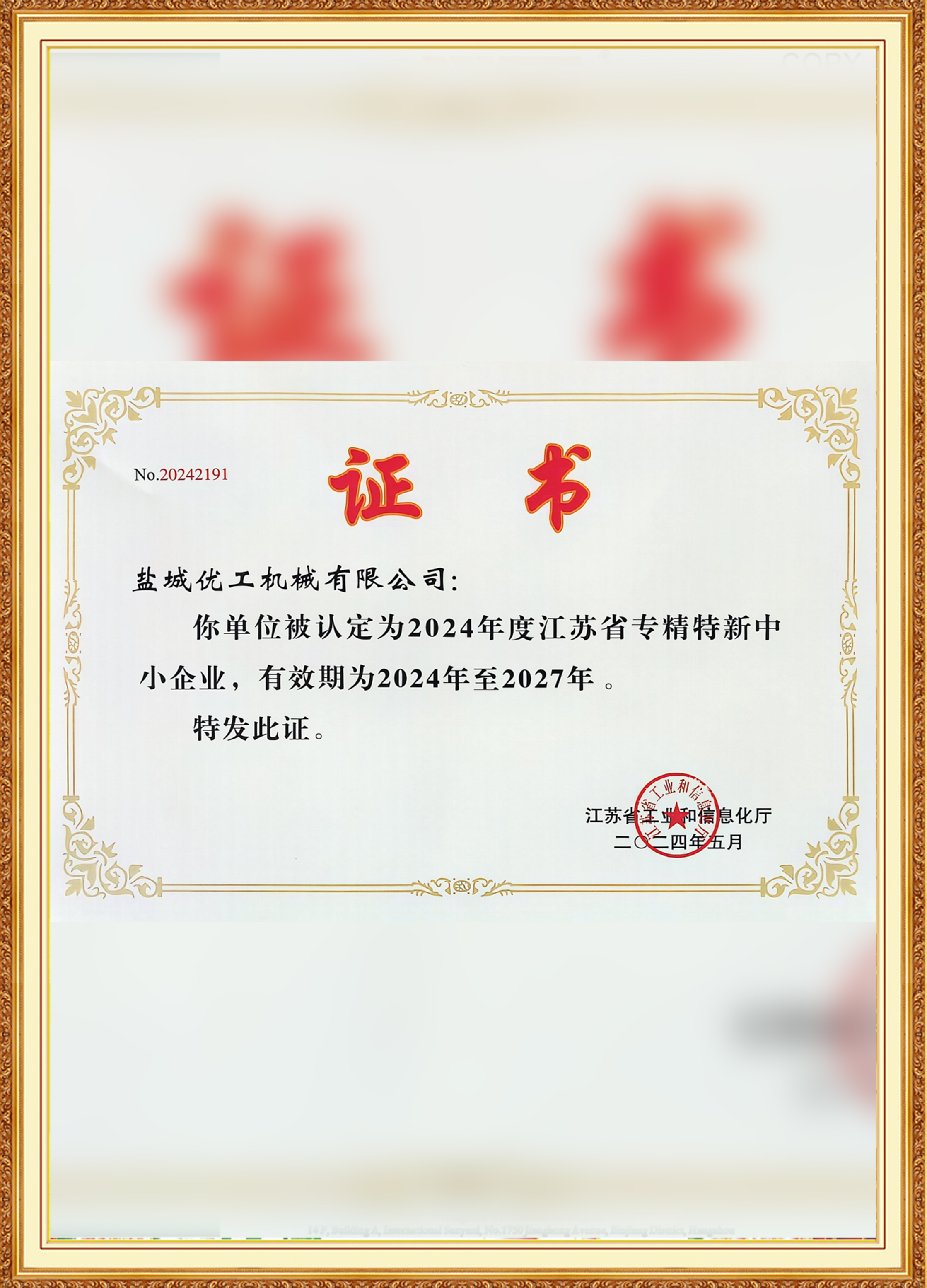 2024 Specialized, Refined, Distinctive, and Innovative Enterprise Certificate
 -
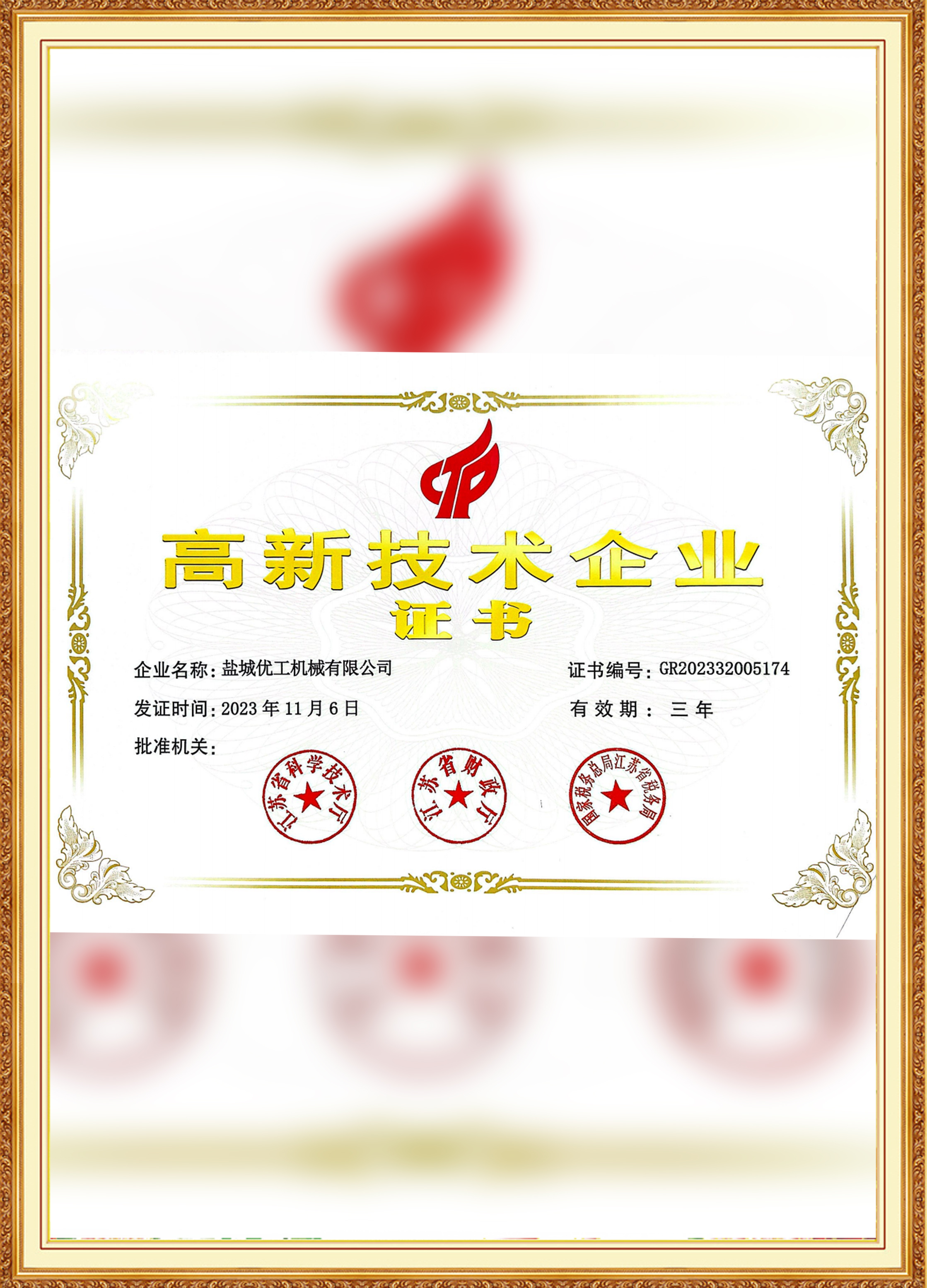 2023 High-Tech Enterprise Certificate
 -
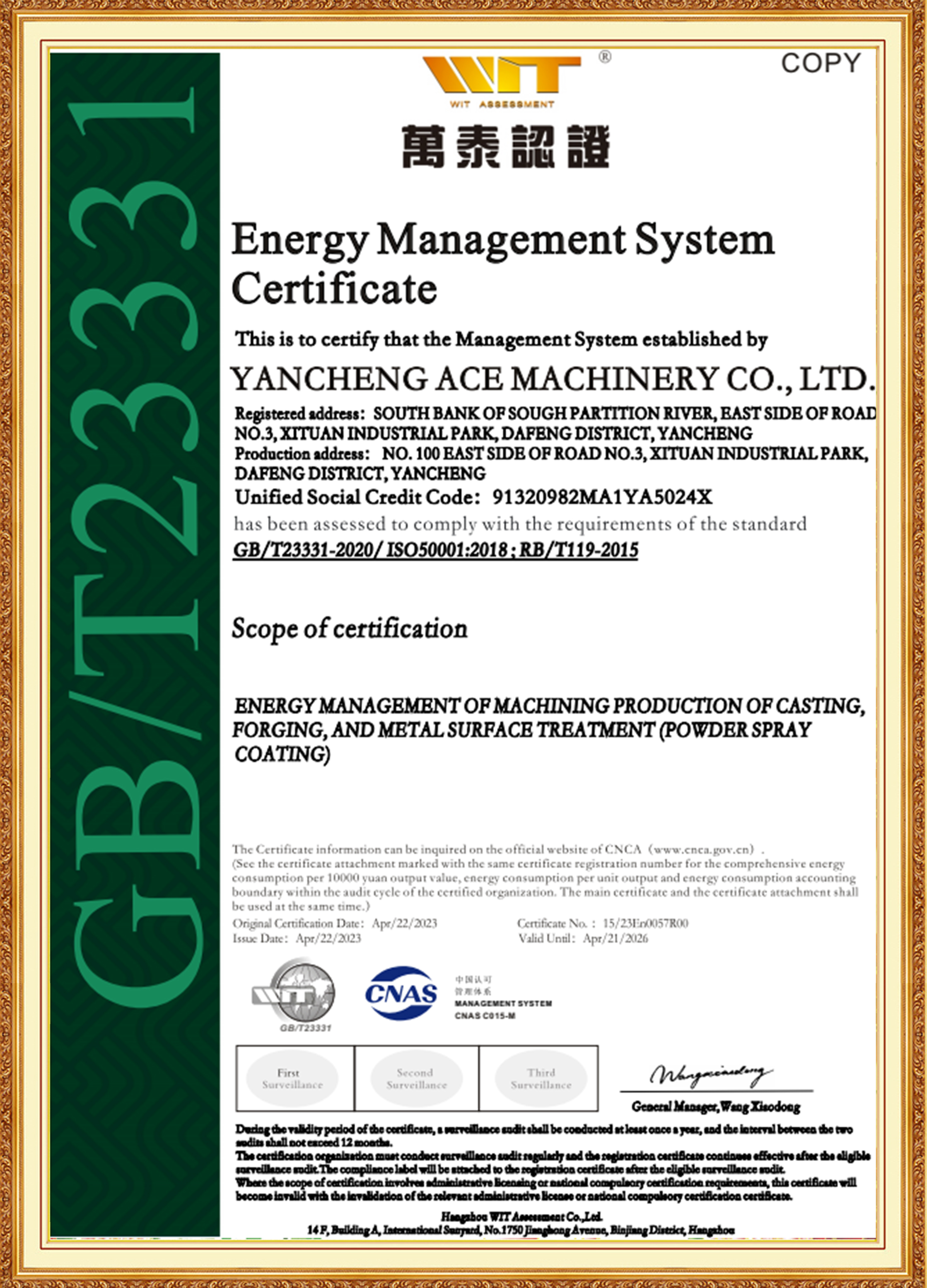 ISO50001 Energy Management System
 -
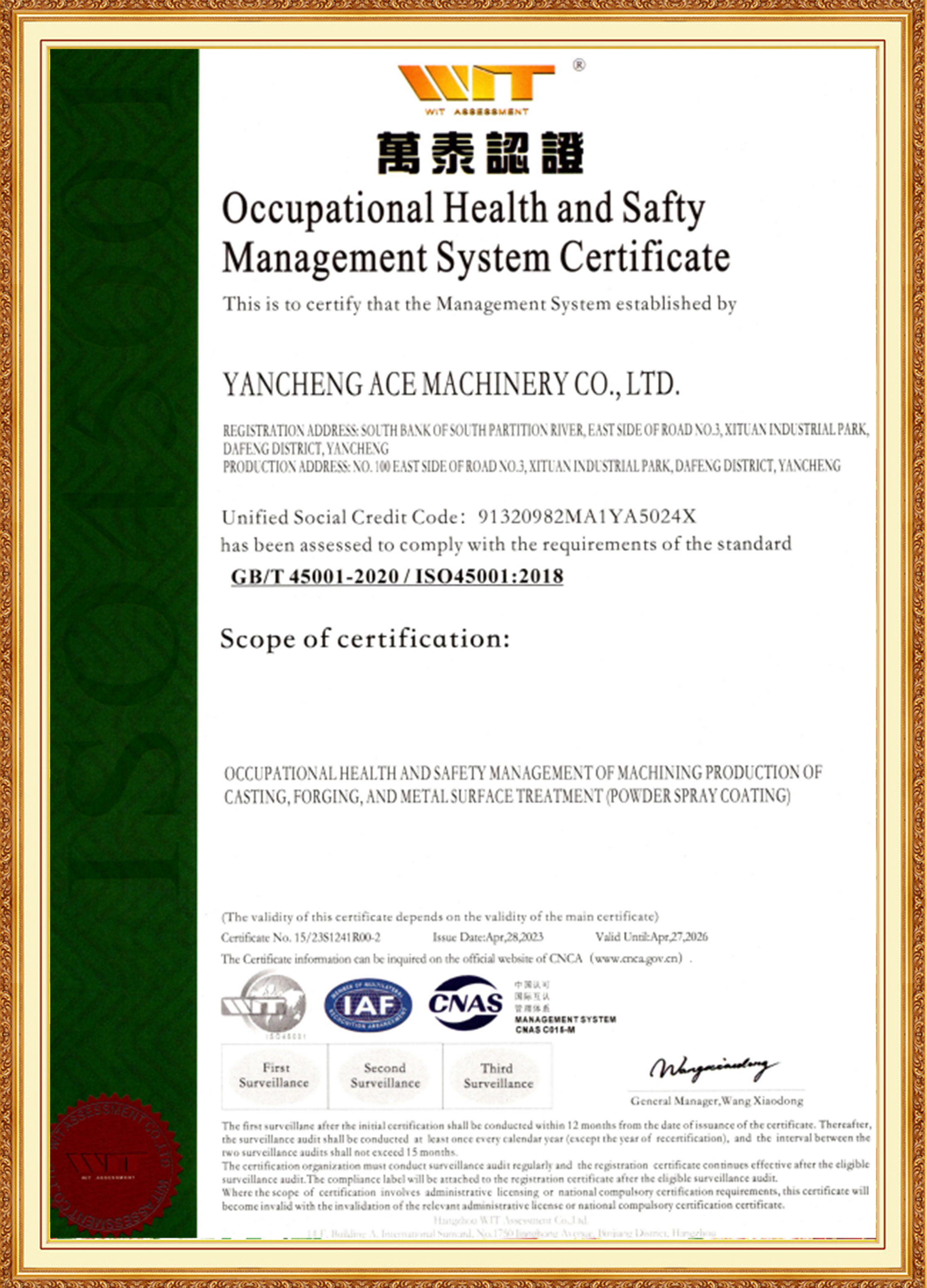 ISO 45001 Occupational Health and Safety Management System
 -
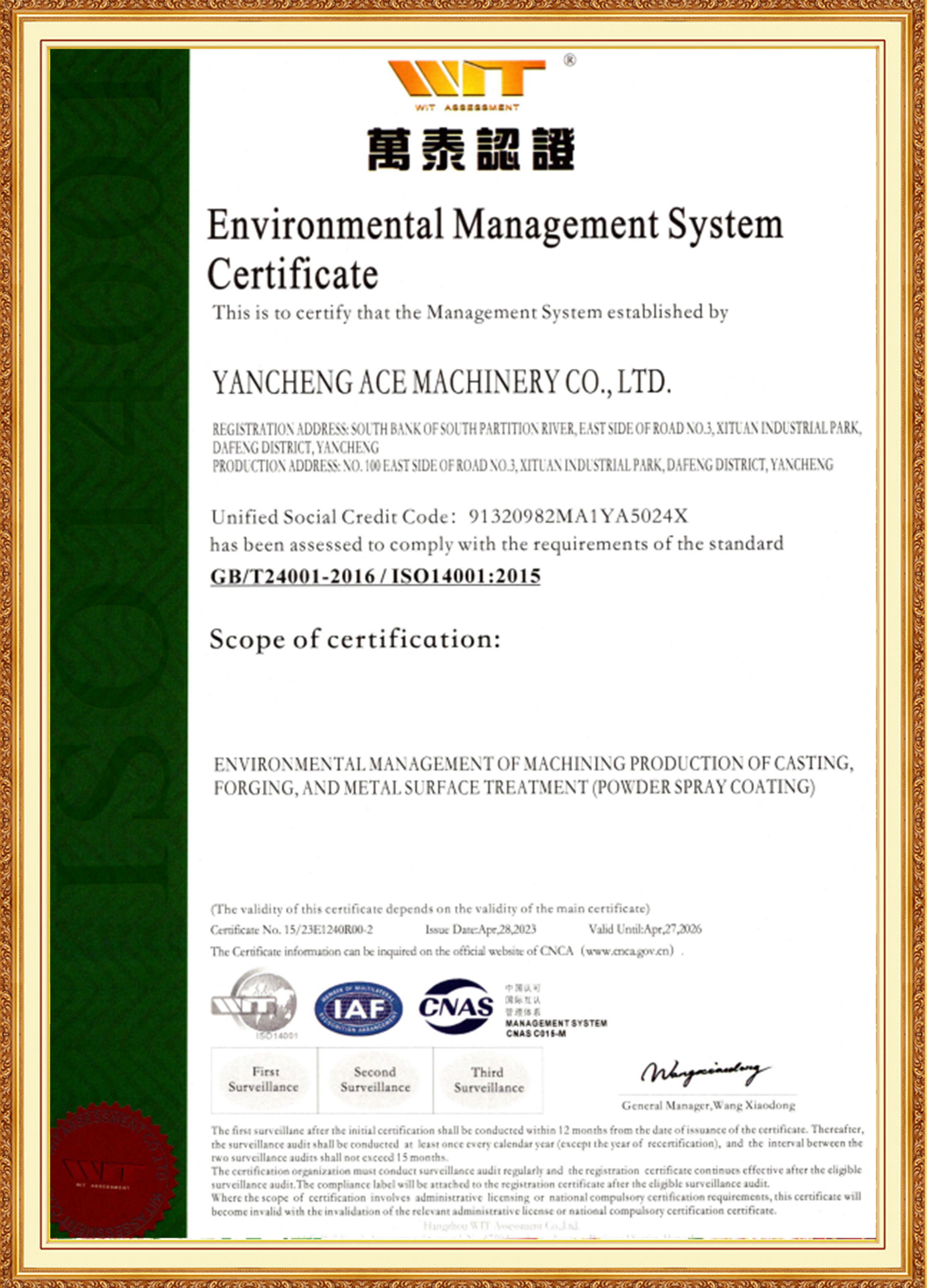 ISO 14001 Environmental Management System
 -
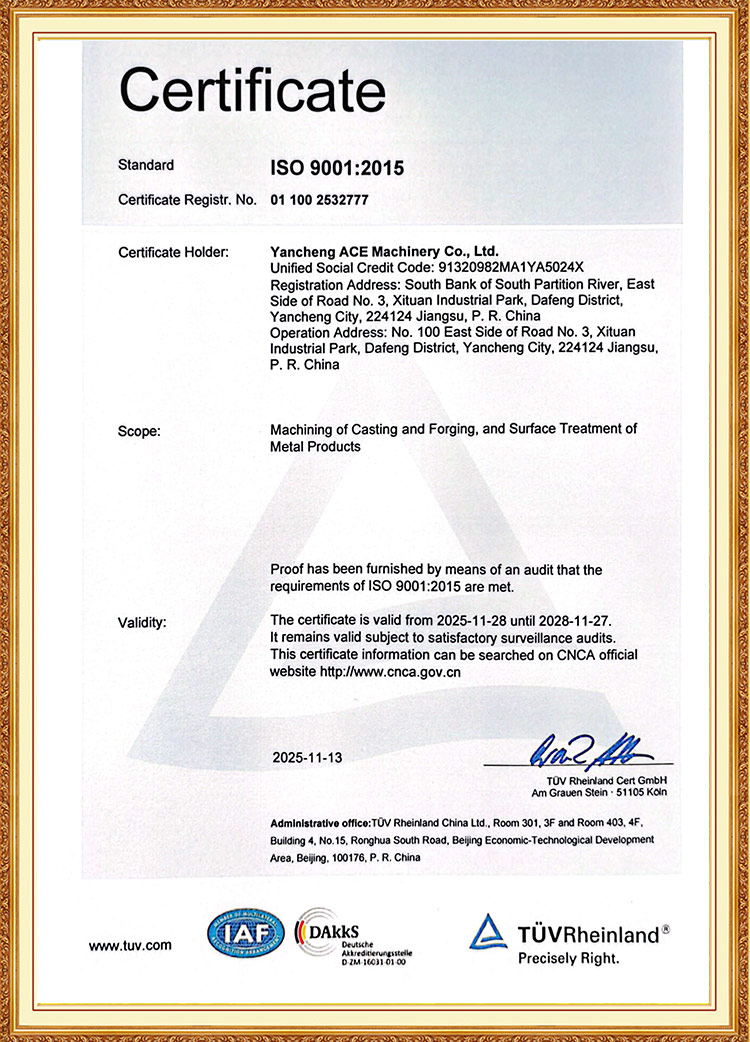 ISO 9001 Quality Management System
News
-
Company News 2026-03-19
ACE Group is a comprehensive heavy industrial manufacturing enterprise group whose vertically integrated business spans forging, heat treatment, precision machining, welded structures, and large-scale surface treatment. Operating through three specialized subsidiaries across facilities totaling over 68,351 square mete...
View More -
Industry News 2026-03-16
What Is a Cooling Plate Forging and How Does It Work? A cooling plate forging is a precision-manufactured heat dissipation component produced through the forging process — where metal is shaped under high compressive force to produce a dense, refined-grain structure — and subsequently machined to incorporate the inter...
View More -
Company News 2026-03-13
In the global heavy industrial manufacturing sector, businesses worldwide seek reliable, full-cycle partners that combine advanced production capabilities, strict quality control, and end-to-end service flexibility. ACE Group, a premier comprehensive enterprise focused on heavy industrial manufacturing, has establishe...
View More
Related products
-
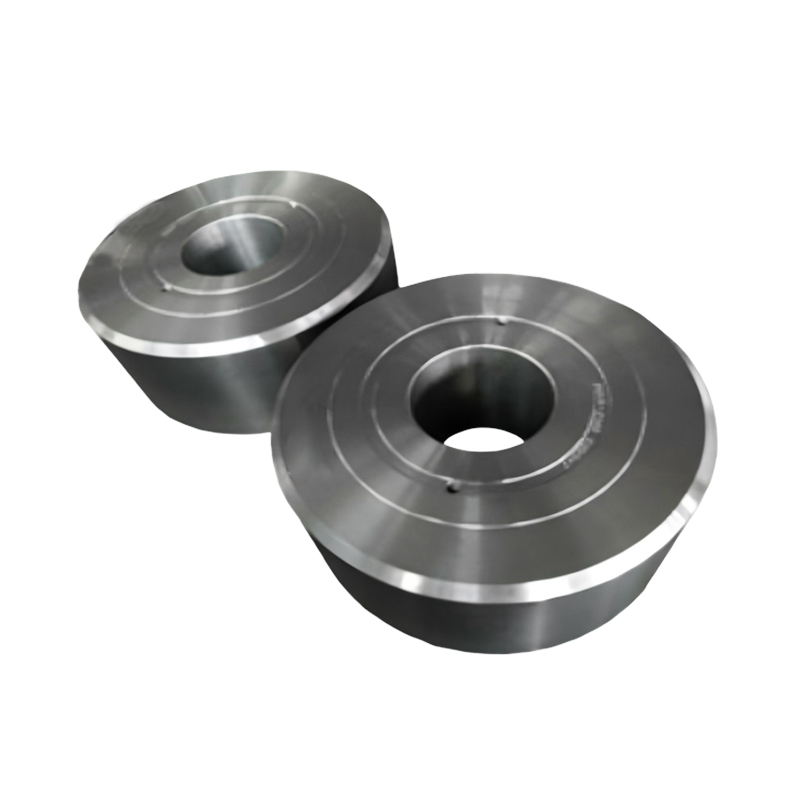
Wind Turbine 5MW-10MW 1st/2nd/3rd Stage Planet Gear Forgings
-
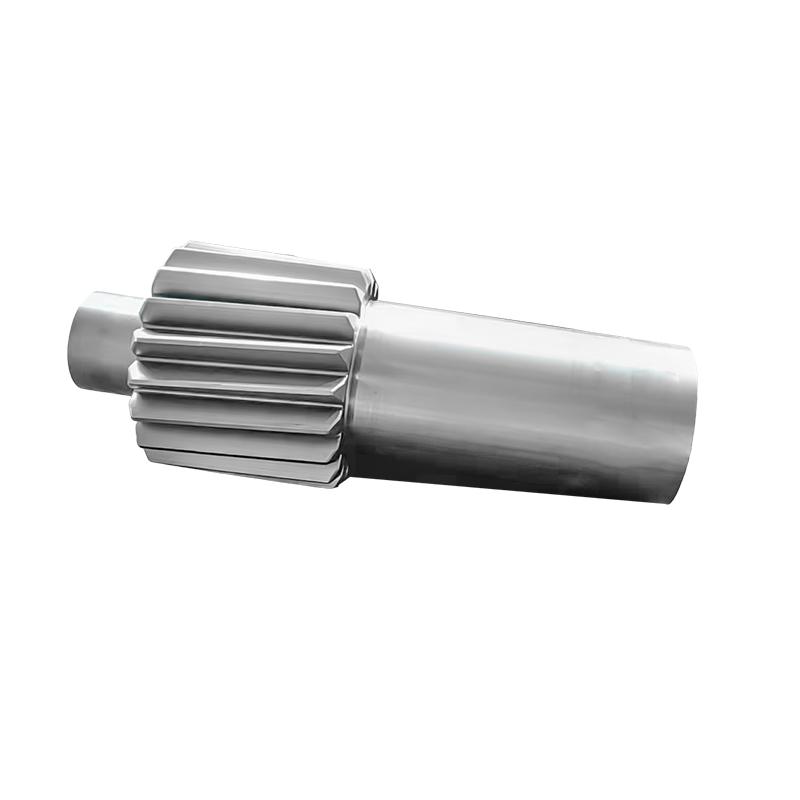
Wind Turbine 5MW-10MW 1st/2nd/3rd Stage Sun Gear Forgings
-
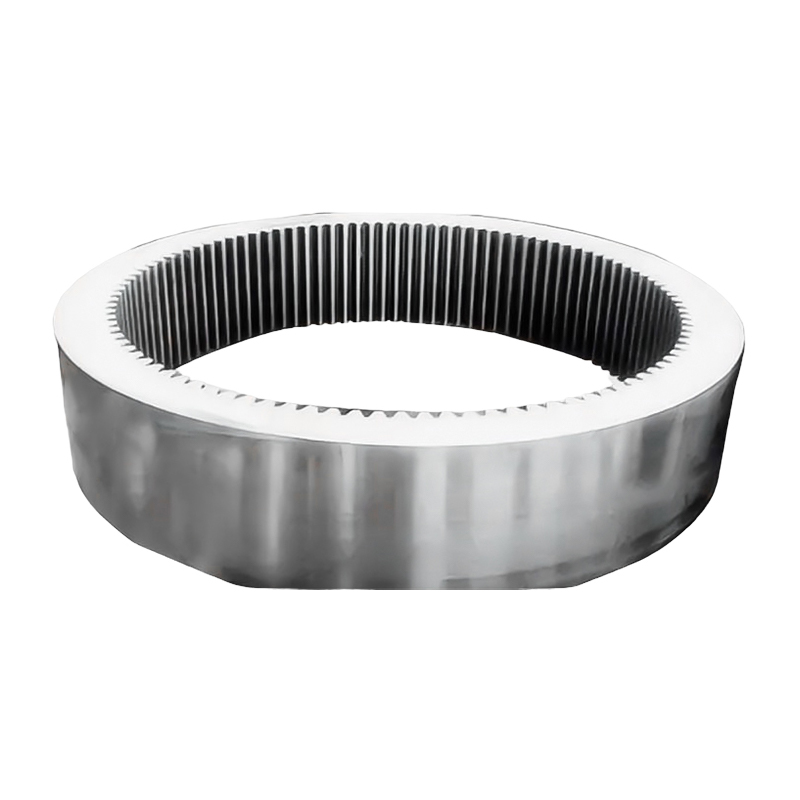
Wind Turbine 5MW-10MW 1st/2nd Stage Ring Gear Forgings
-
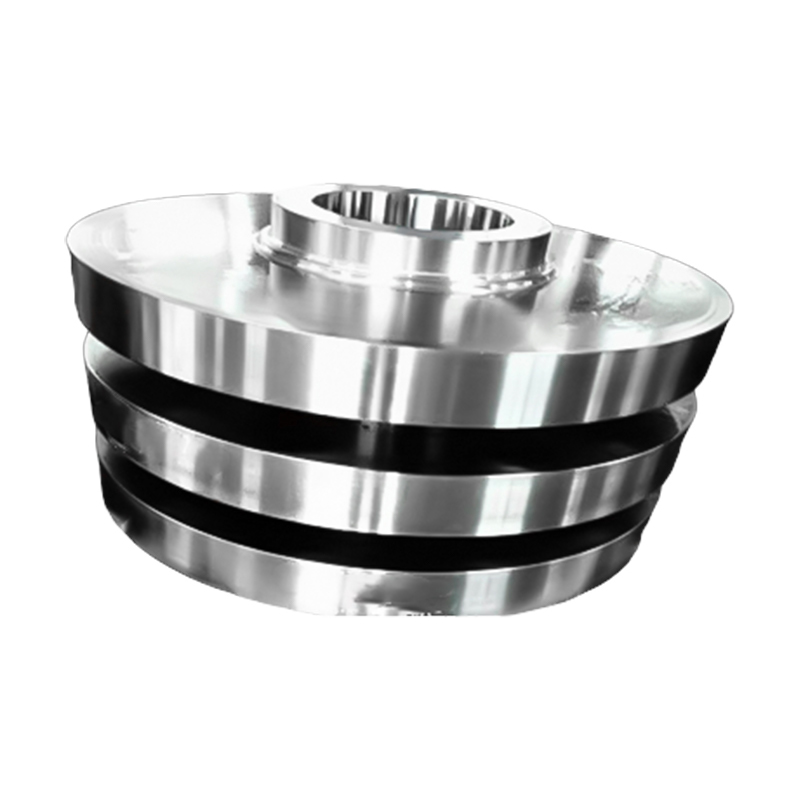
Wind Turbine 3MW-10MW Planet Carrier Forgings
-
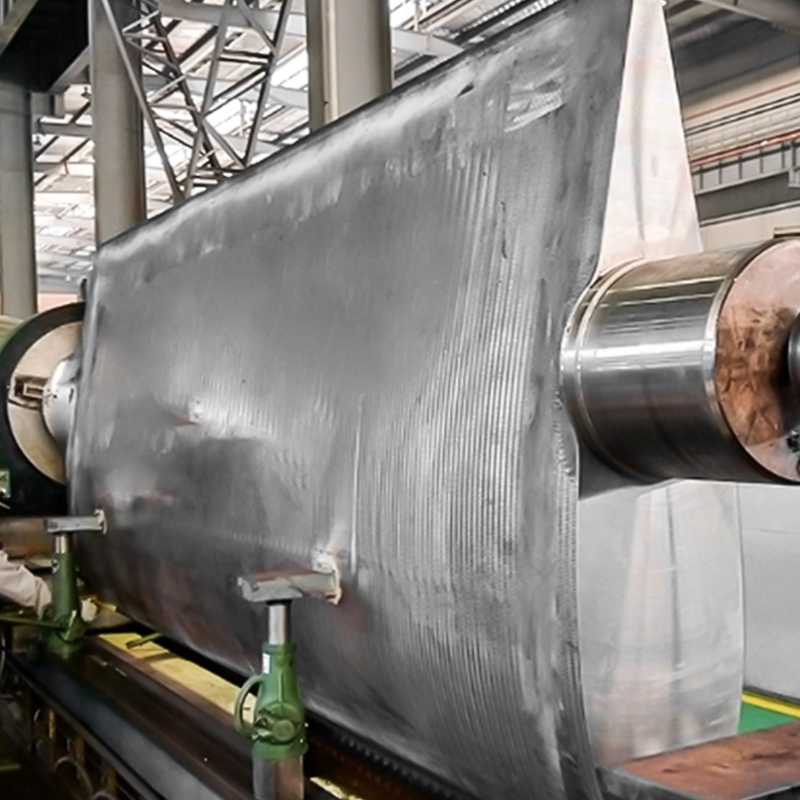
Guide Vane Forgings
-
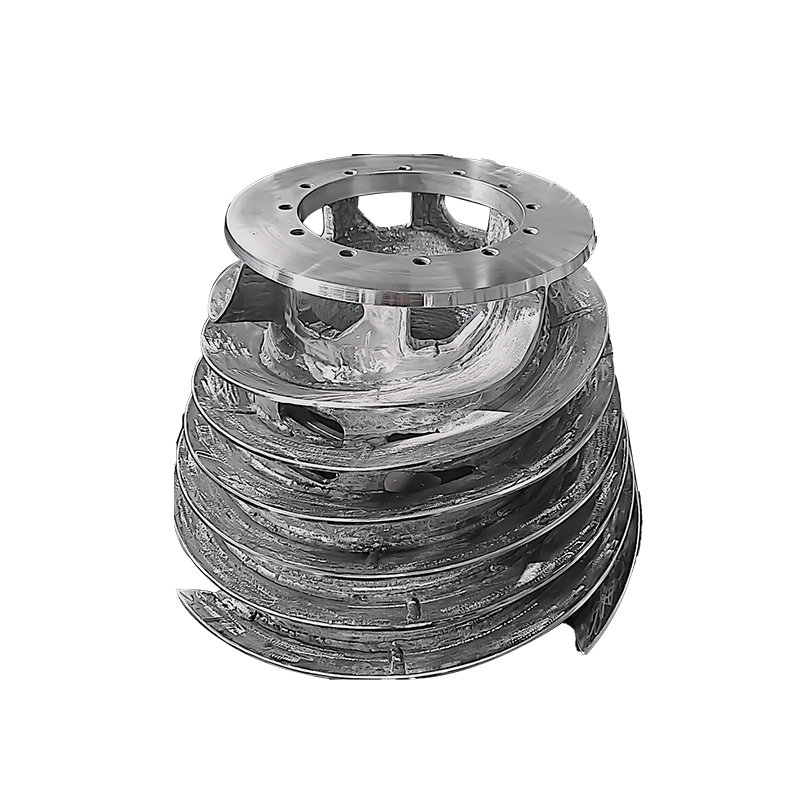
Hydraulic Turbine Guide Vane Forgings
-
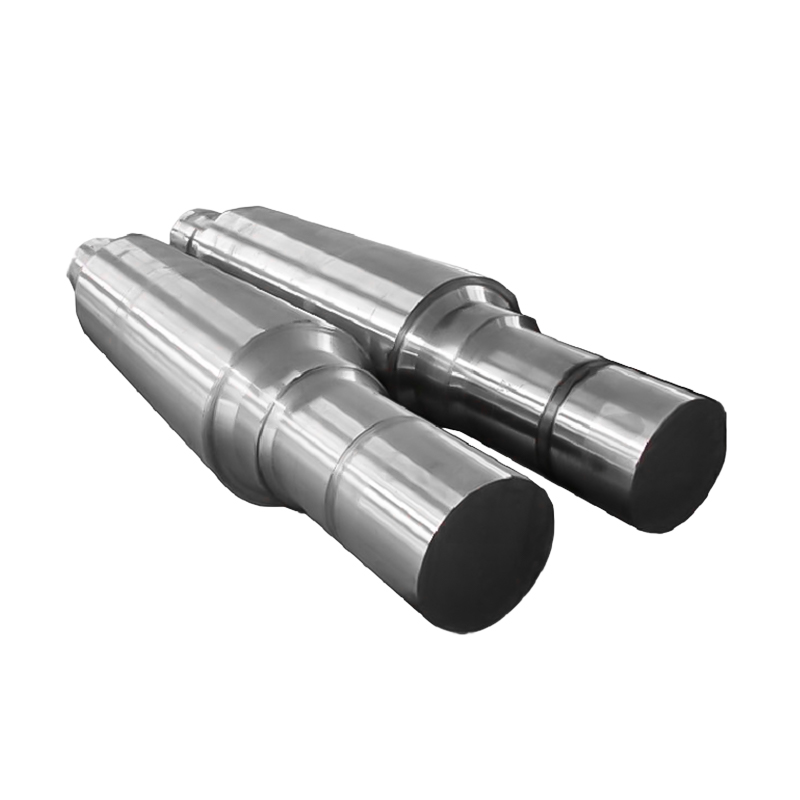
Hydroelectric Generator Shaft Forgings
-
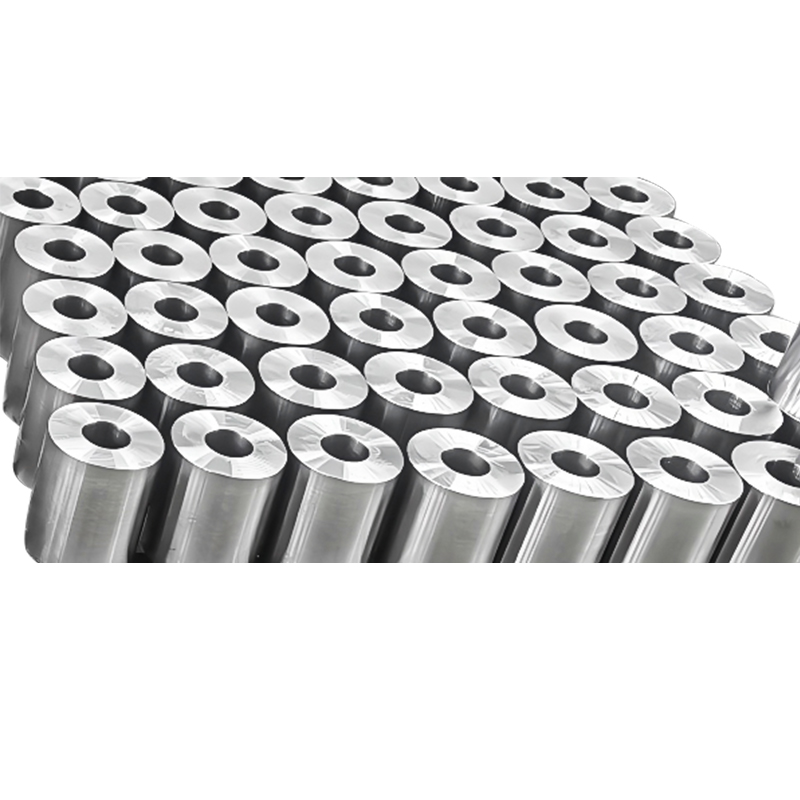
Nuclear Power Conventional Island Parts Forgings
-
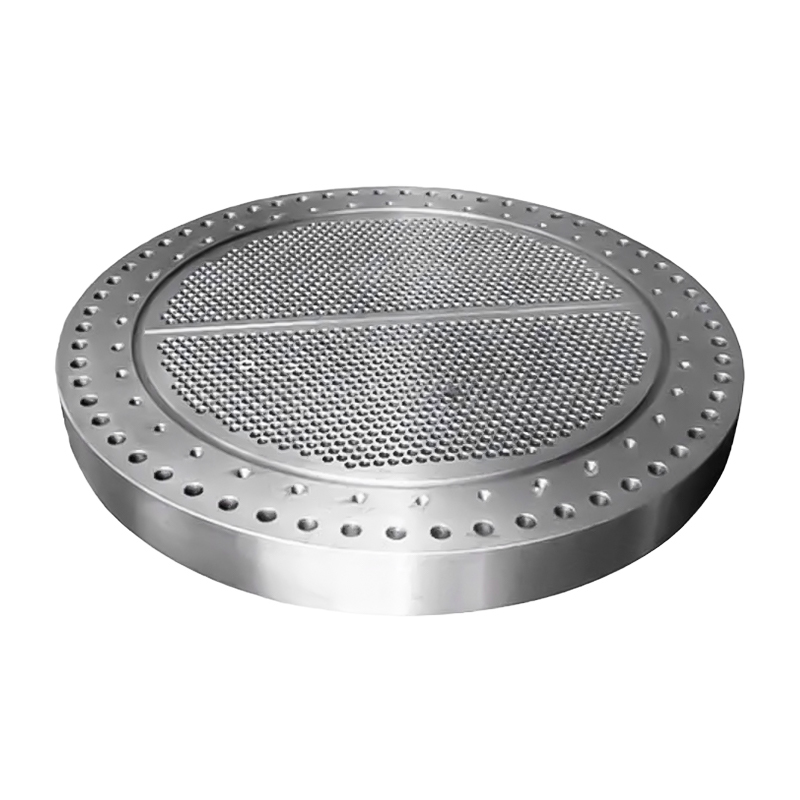
Tube Sheet Forgings
-
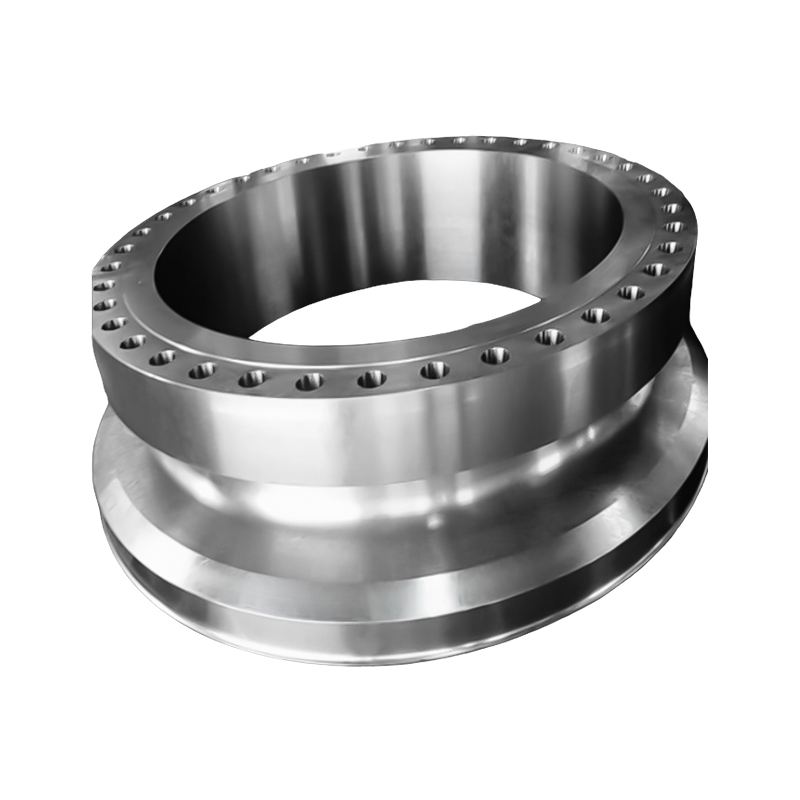
Nuclear Power Plant Piping Nozzle Forgings
-
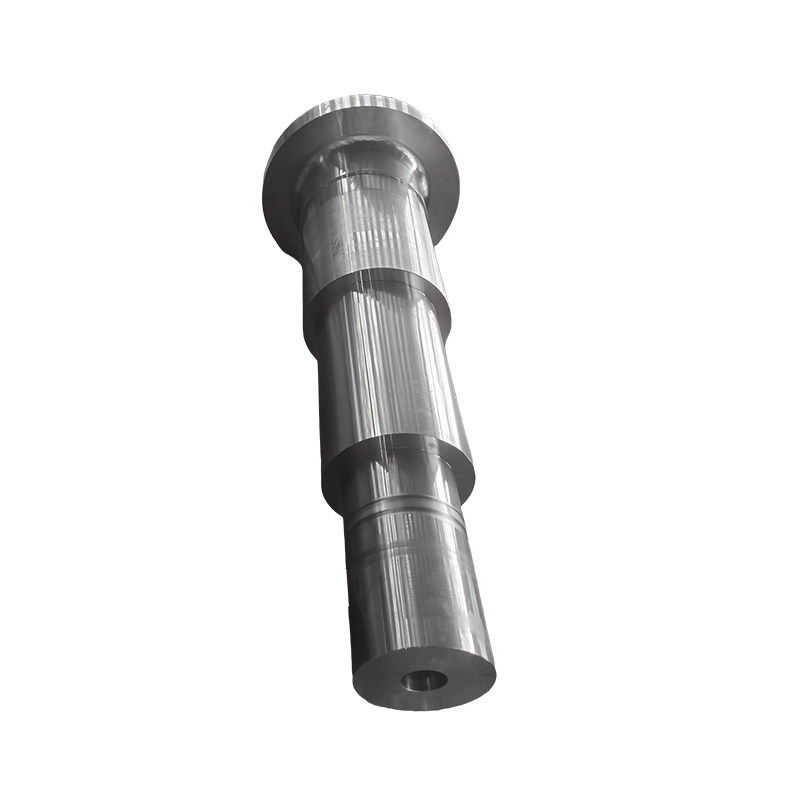
Marine Stern Shaft Forgings
-
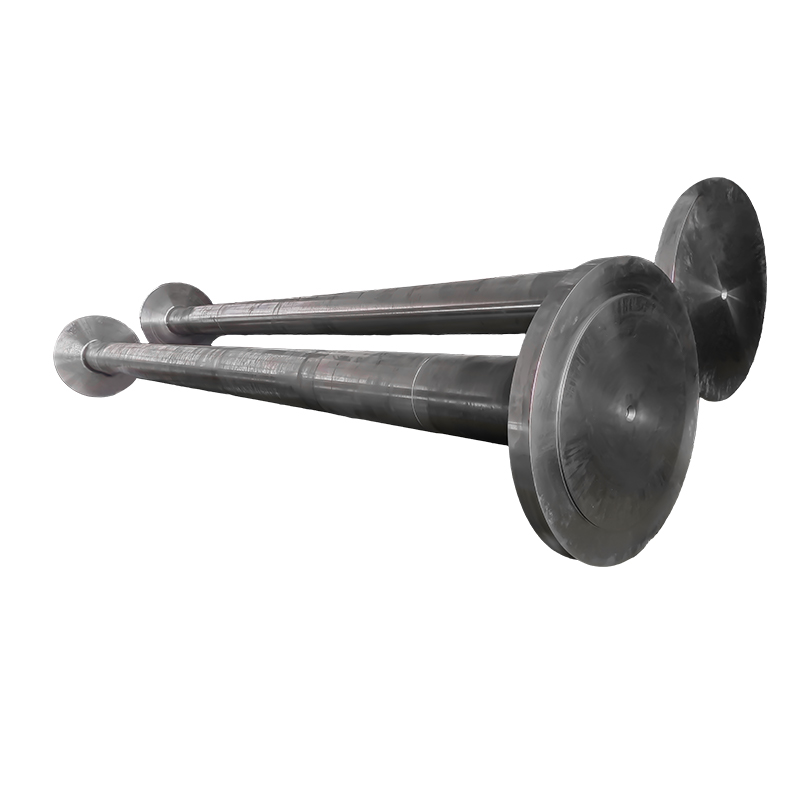
Marine Intermediate Shaft Forgings
Wind Turbine Gearbox Forgings KNOWLEDGE
Wind turbine gearboxes are among the most high-stress environments in the renewable energy sector. Forged components are preferred over cast parts because they offer superior fatigue resistance, impact toughness, and a uniform grain structure that can withstand the extreme torque and cyclic loading found in modern 1MW–15MW turbines.
1. Key Forged Components in Gearboxes
Most rotating parts and heavy-duty load-carrying elements in a wind turbine gearbox are forged:
-
Gear Blanks: Large discs used for the Planetary Gears, Sun Gears, and Ring Gears. These require high surface hardness and core toughness.
-
Main Shafts & Input/Output Shafts: These transmit the massive torque from the rotor to the high-speed stages of the gearbox.
-
Seamless Rolled Rings: Used for the outer ring gears and bearing races.
-
Couplings & Flanges: Heavy-duty connectors that link the drivetrain components.
2. Common Materials & Chemistry
To survive 20+ years in offshore or remote environments, materials must be high-purity alloy steels.
| Material Grade | Key Properties | Typical Application |
| 18CrNiMo7-6 | High hardenability, excellent fatigue strength. | High-speed gears and planetary gears. |
| 42CrMo4 / 4140 | High toughness and moderate wear resistance. | Main shafts and gearbox input shafts. |
| 34CrNiMo6 | Exceptional depth of hardening and impact strength. | Large-diameter shafts and heavy-duty rings. |
| 43B17 | High core strength and wear resistance. | Gear blanks and high-torque couplings. |
3. The Manufacturing Process (Chain of Quality)
The production of a wind turbine gearbox forging follows a strict sequence:
-
Ingot Smelting: Uses EF (Electric Arc Furnace) + LF (Refining) + VD (Vacuum Degassing) to ensure ultra-clean steel with low sulfur and phosphorus.
-
Forging Execution:
-
Open-Die Forging for large shafts.
-
Closed-Die Forging for high-precision gears and couplings.
-
Ring Rolling for high-strength circular components.
-
-
Heat Treatment: Critical steps like Normalizing, Quenching, and Tempering to refine the grain structure. Gears often undergo Carburizing (Case Hardening) to achieve a hard surface while maintaining a ductile core.
-
Precision Machining: CNC rough turning and finish grinding to meet tolerances as tight as $\pm 0.001$ inch.
4. Quality Standards & Testing (NDT)
Wind gearboxes are notorious for being the "weak point" of a turbine's lifespan, so testing is rigorous:
-
Ultrasonic Testing (UT): Mandatory to detect internal voids or non-metallic inclusions in the center of thick forgings.
-
Magnetic Particle Inspection (MT): Used after machining to find surface micro-cracks.
-
Grain Flow Verification: Ensuring the "flow lines" of the metal follow the geometry of the part to maximize strength.
-
Compliance: Must meet standards such as ISO 61400-4 (Design requirements for wind turbine gearboxes) and AGMA 6006.
FAQ: Wind Gearbox Forgings
Q: Why not use casting for these gears?
-
A: Casting often contains tiny pores or "shrinkage" defects. In a wind turbine, a single defect can act as a stress riser, leading to a gear tooth snapping off under high wind gusts. Forgings are essentially "void-free."
Q: What is the biggest threat to these forged parts?
-
A: Micropitting and White Etching Cracks (WEC). These are surface-level fatigue issues caused by a combination of fluctuating loads and chemical interactions with lubricants.
Q: How long does it take to manufacture a custom gearbox shaft?
-
A: Due to the material purity requirements and heat treatment cycles, lead times traditionally range from 20 to 52 weeks, though specialized "fast-track" manufacturers can reduce this to about 10 weeks.
Message Us Right Now!
-
Mobile Terminal
-
Quick Links
Products About Us Equipment & Capacity Quality News Contact Us -
Product Category
Electric Power Energy Forgings Ship and Port Machinery Forgings Mining and Metallurgy Forgings Food and Feed Machinery Forgings Petrochemical Industry Forgings Welding Fabrication Non-standard Customized Forging -
Contact Us
Mob.: +86-173 7218 0878 Tel.: +86-515-8389 0396 E-mail: ivy.zhai@aceprocess.cn Add.: No.21 Jinfeng Road, Economic Development Park, Dafeng District, Yancheng City, Jiangsu, China
