

 English
 中文简体
中文简体



Rudder System Forgings Supplier
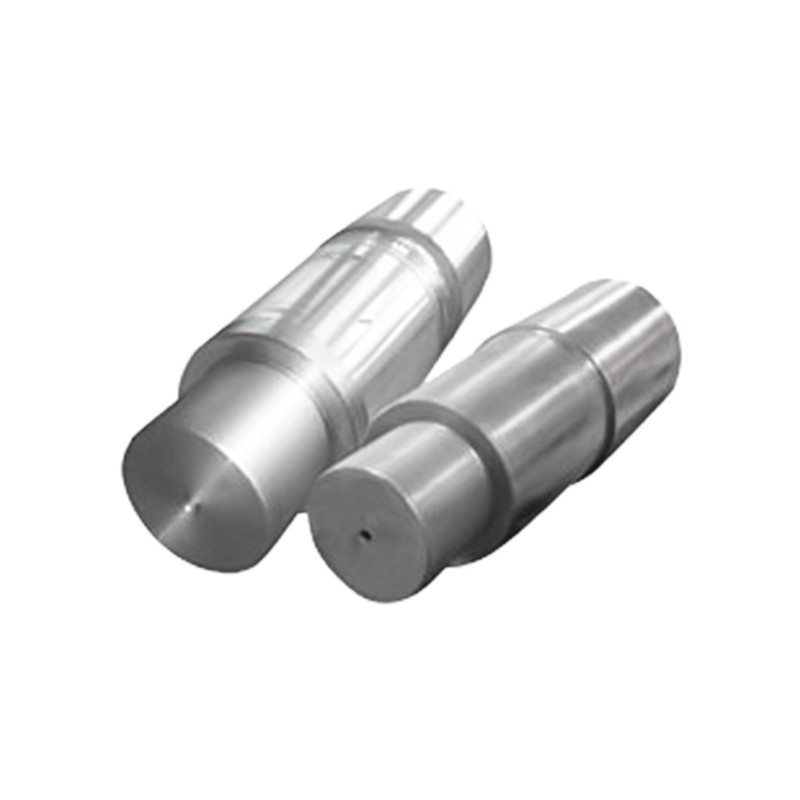
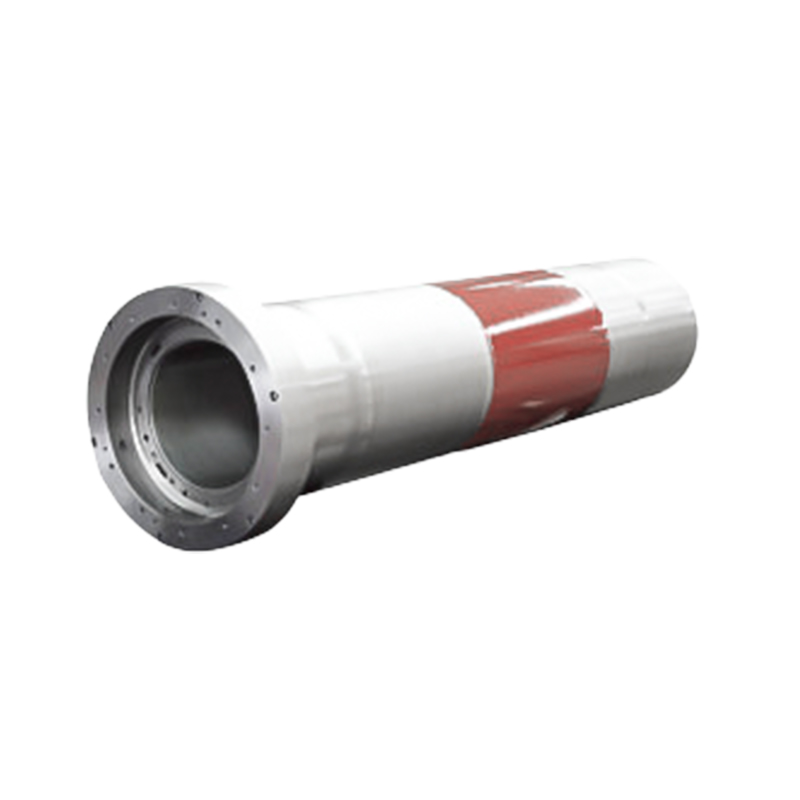
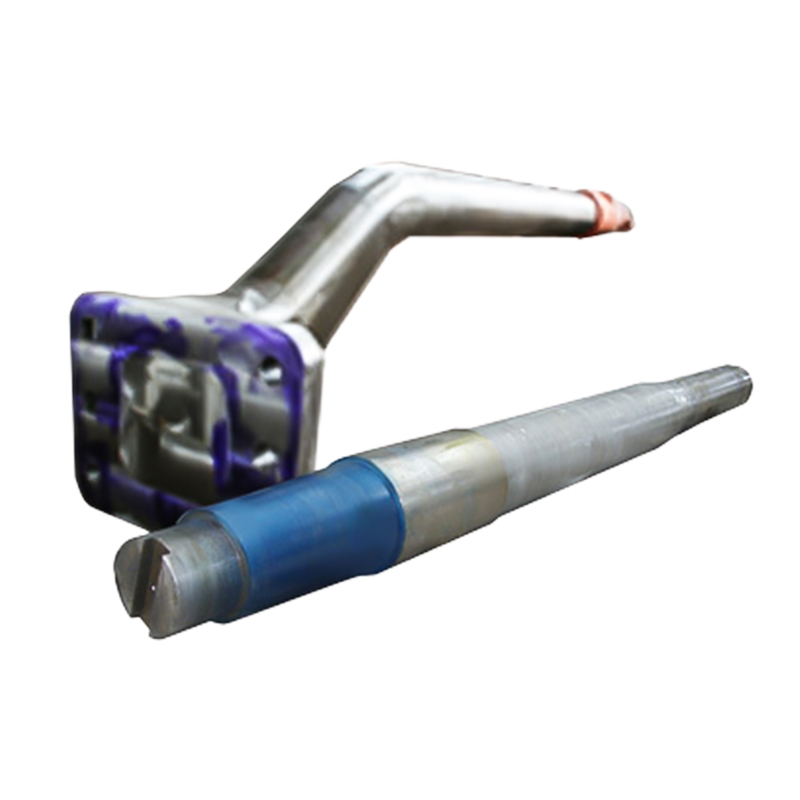
Rudder system forgings are key components for steering control in marine and port machinery. Mostly forged from high-quality alloy steel, they are designed to withstand complex external forces.
1. Applications
Widely used in various types of ships, ranging from cargo ships and passenger ships to military vessels, they enable precise control of ship steering, ensuring navigation safety and maneuverability. In port machinery, they assist in the accurate positioning of loading and unloading equipment.
2. Manufacturing Process
Advanced forging techniques are adopted, combined with high-precision machining technology. Strict quality control measures are implemented throughout the production process to ensure dimensional accuracy and stable performance of the products.
3. Advantages
They possess high strength, excellent toughness, strong fatigue resistance, and corrosion resistance. Capable of adapting to complex marine environments, they feature a long service life, which guarantees the efficient operation of marine and port machinery.
About Us
ACE Group is a comprehensive enterprise group focused on the heavy industrial manufacturing sector, serving as a China Rudder System Forgings Supplier and Rudder System Forgings Company. Its business spans forging, heat treatment, precision machining, welded structures, and heavy-duty power & free chain spraying production. This integrated layout covers the core production processes of the industrial machinery industry, combining technological strength with large-scale production capabilities.
Core Subsidiaries Details:
Jiangsu ACE Energy Technology Co., Ltd.: The group's core production base, officially commencing operations in November 2025. It occupies 55 acres with a total floor area exceeding 50,018 square meters. The factory is equipped with 3-ton, 5-ton, and 15-ton electro-hydraulic hammers; 1-meter and 1.5-meter vertical ring rolling machines; energy-efficient natural gas heating furnaces; heat treatment resistance furnaces; quenching tanks; induction hardening equipment; machining centers; and other production equipment.
Yancheng ACE Machinery Co., Ltd.: Established in 2019, it occupies 20 acres with a floor area of 13,333 square meters. It possesses an integrated welding-straightening structural steel production line and a precision machining workshop.
Yancheng ACE Surface Treatment Technology Co., Ltd.: Operates a heavy-duty power & free chain large-scale powder coating production line. Focusing on professional surface treatment technology, One-time coating thickness achieves 400μm, providing reliable anti-corrosion and weather-resistant protective performance and appearance optimization solutions, enhancing the group's full life-cycle product services.
ACE Group is supported by a management team of young key members who are experienced in materials, heat treatment, machining, and surface treatment industries. They are well-versed in international and domestic standards, pioneering, and committed to innovation. The subsidiary ACE Machinery has passed TÜV Rheinland ISO 9001 Quality Management System certification, as well as ISO 14001, 45001, and 50001 system certifications. It is recognised as a Specialised, Refined, Unique, and Innovative Enterprise, a National High-Tech Enterprise, and holds a 3A-level enterprise credit rating.
Relying on integrated MES and ERP management systems, the integration of informatisation and industrialisation, data cloud storage, and aiming to build a modern, energy-efficient enterprise, the group maintains a comprehensive inspection system. It possesses inspection tools, non-destructive testing equipment, and qualified personnel, implementing strict controls from material internal quality to appearance and dimensions. All outgoing products undergo 100% inspection, adhering to the business philosophy of pursuing 100% qualified outgoing products and zero customer complaints. A CNAS-standard laboratory will be established to provide scientific testing support for quality control during production and technological R&D, thereby enhancing product quality and technological innovation.
In the future, ACE Group will continue to leverage the technical advantages and industrial synergies of its subsidiaries. Through standardised production, specialised technology, integrated services, and a stringent quality control system, it is committed to providing efficient and reliable industrial manufacturing solutions for global clients, steadily advancing towards becoming a leading comprehensive manufacturing service provider in the industry.
Certificate
-
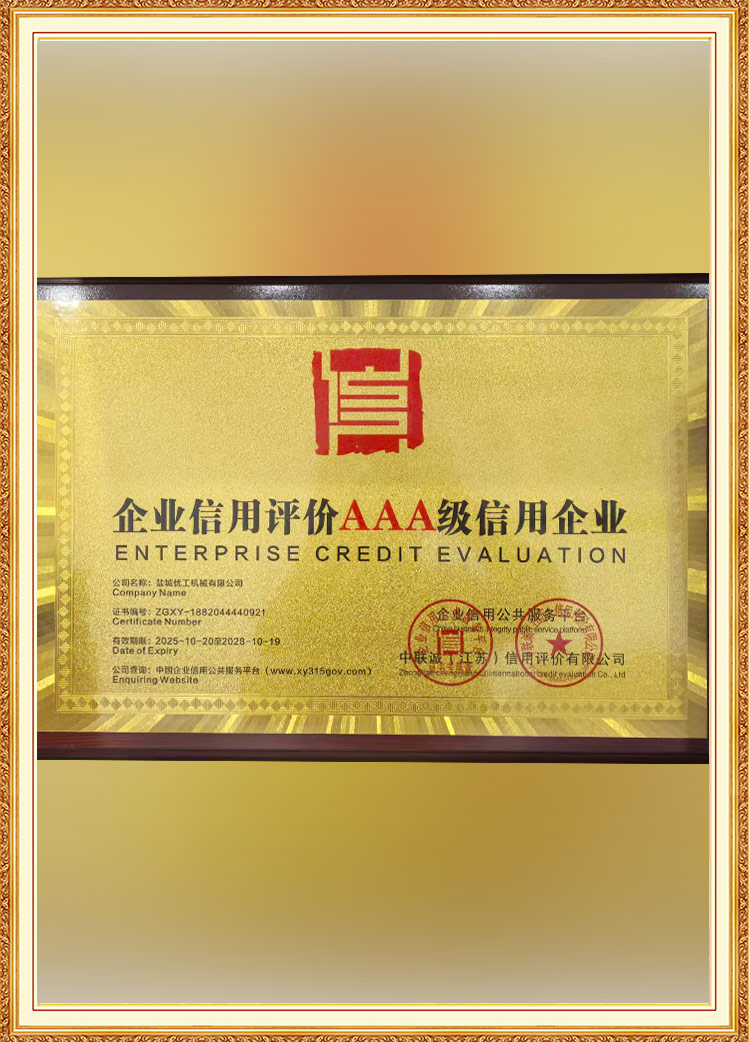 Enterprise Credit Evaluation AAA
 -
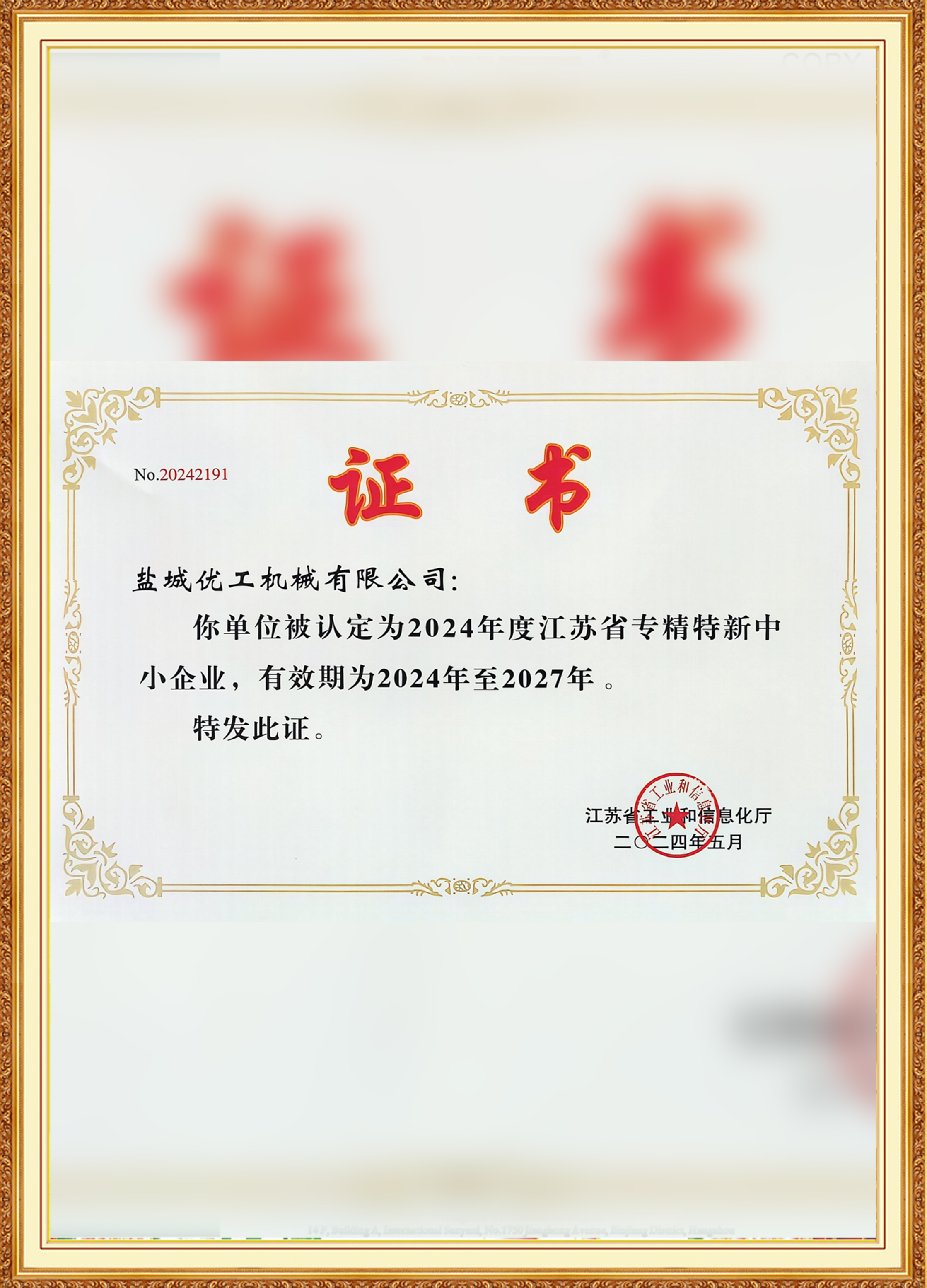 2024 Specialized, Refined, Distinctive, and Innovative Enterprise Certificate
 -
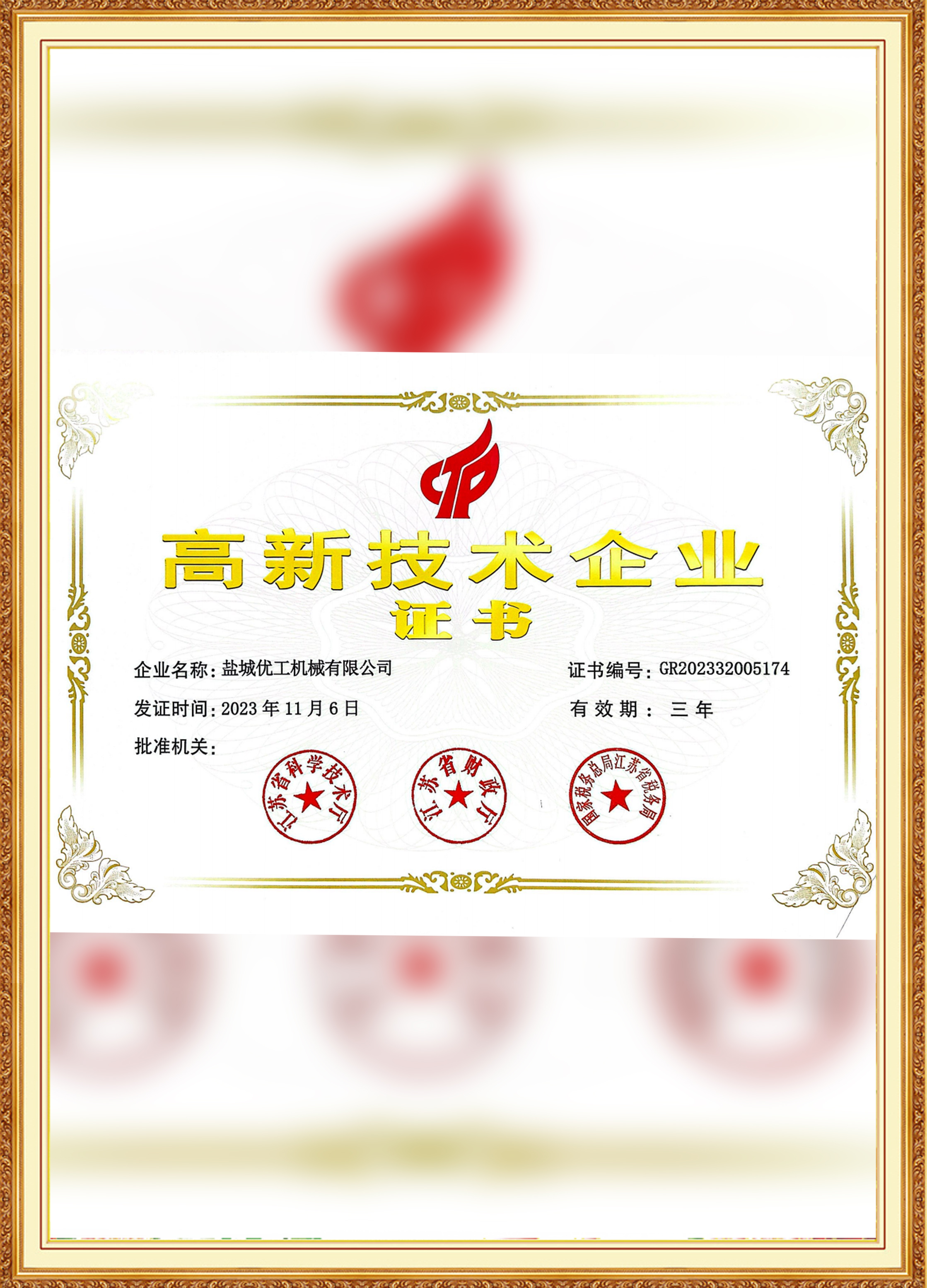 2023 High-Tech Enterprise Certificate
 -
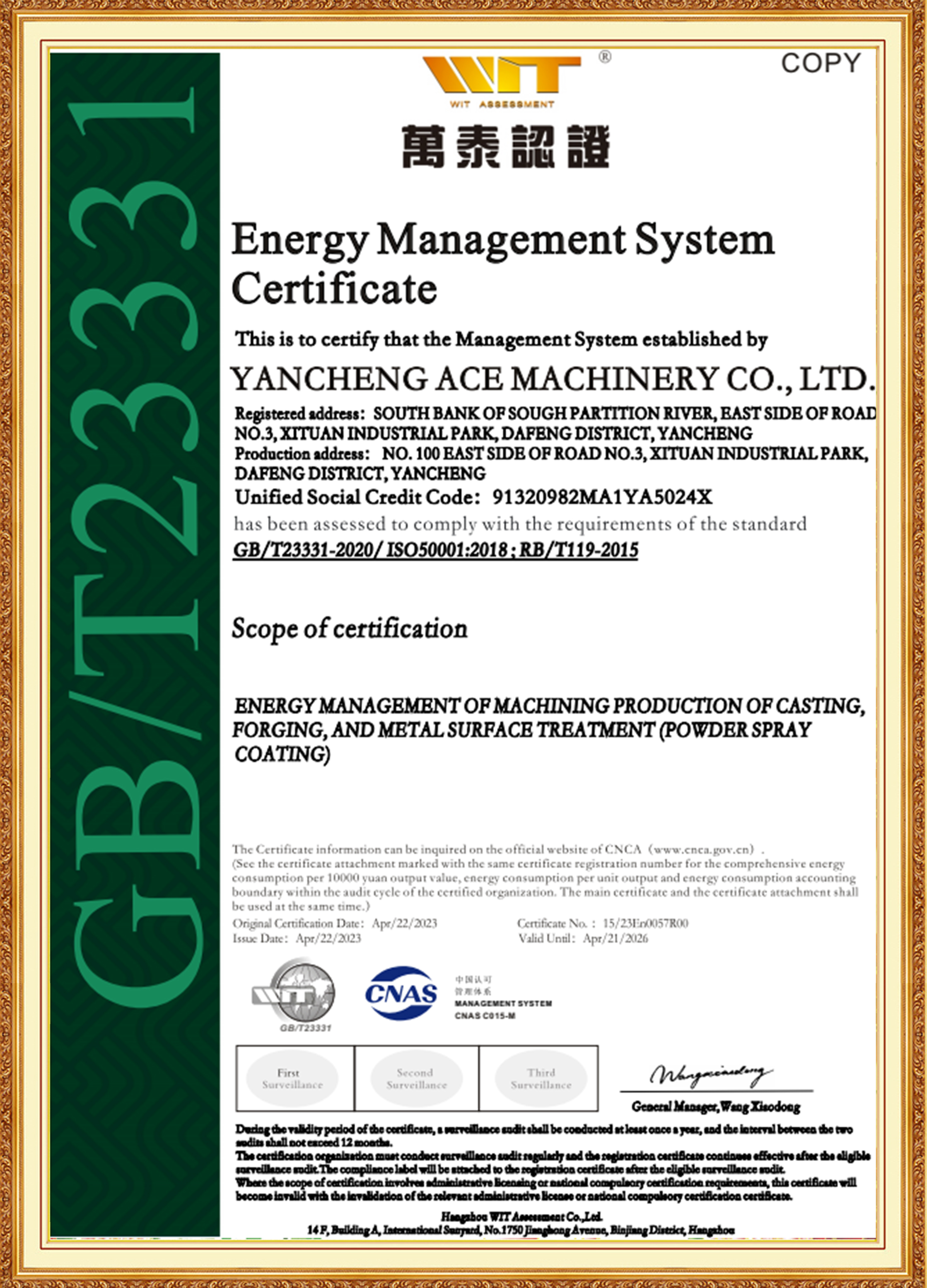 ISO50001 Energy Management System
 -
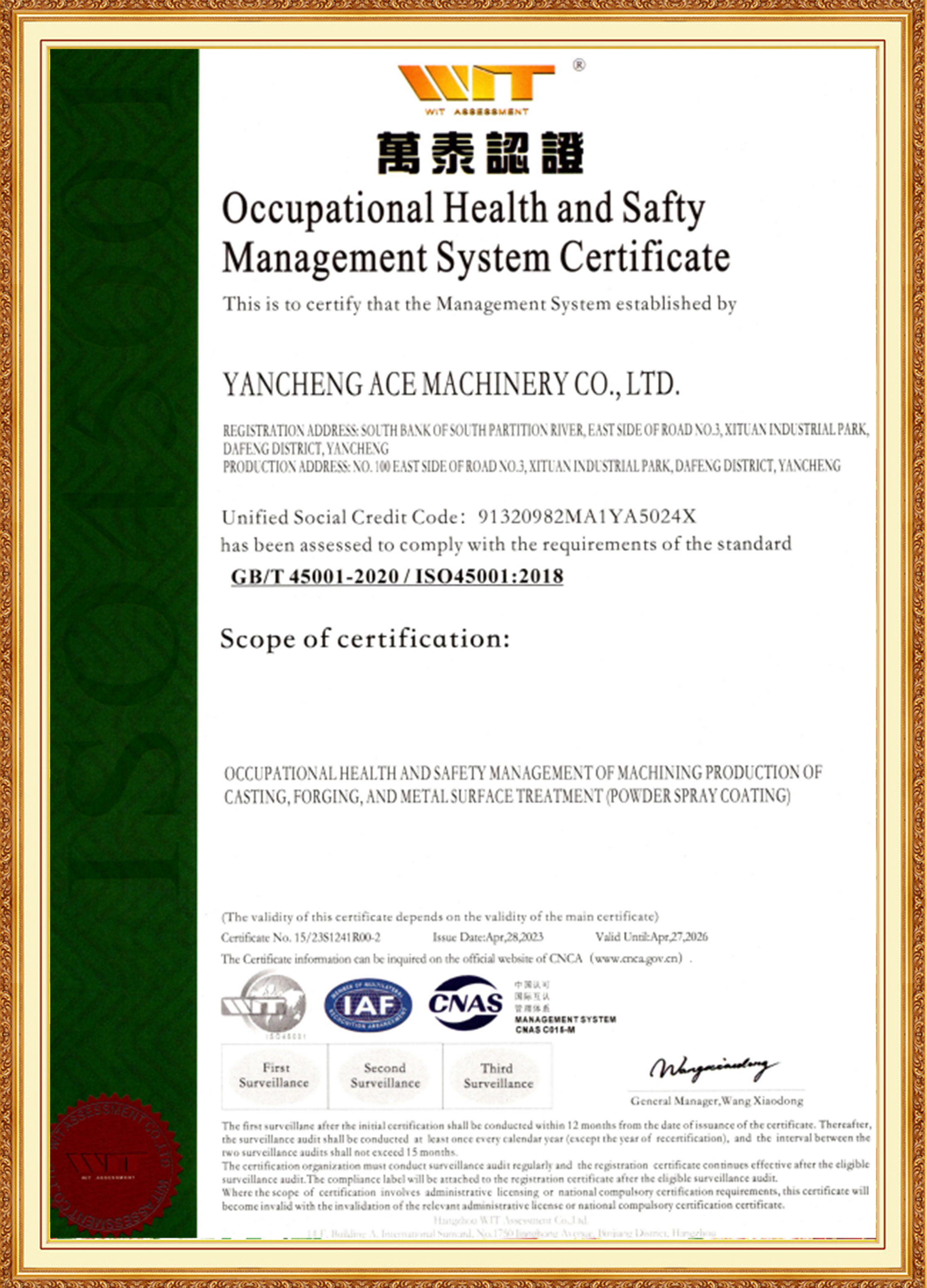 ISO 45001 Occupational Health and Safety Management System
 -
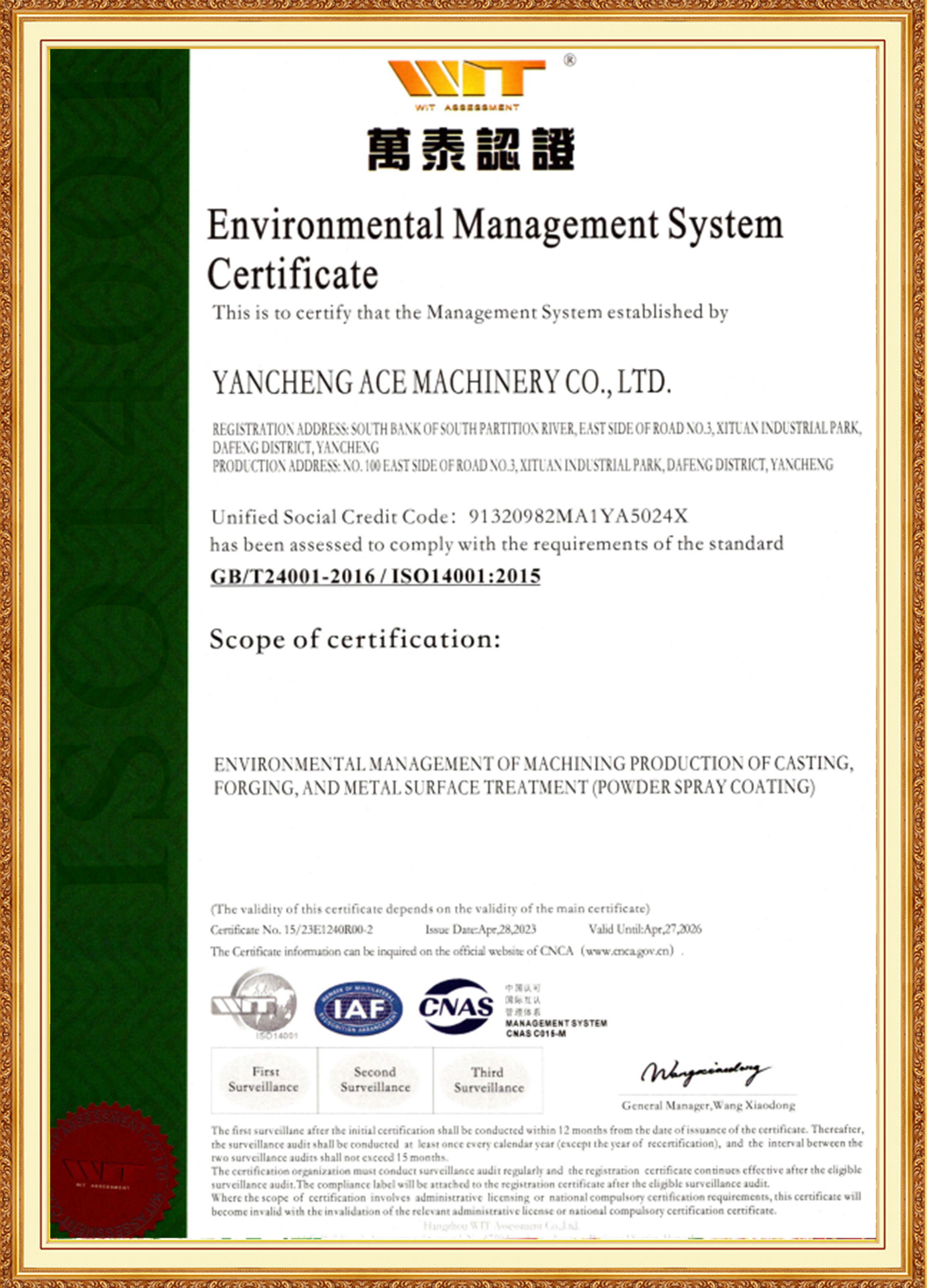 ISO 14001 Environmental Management System
 -
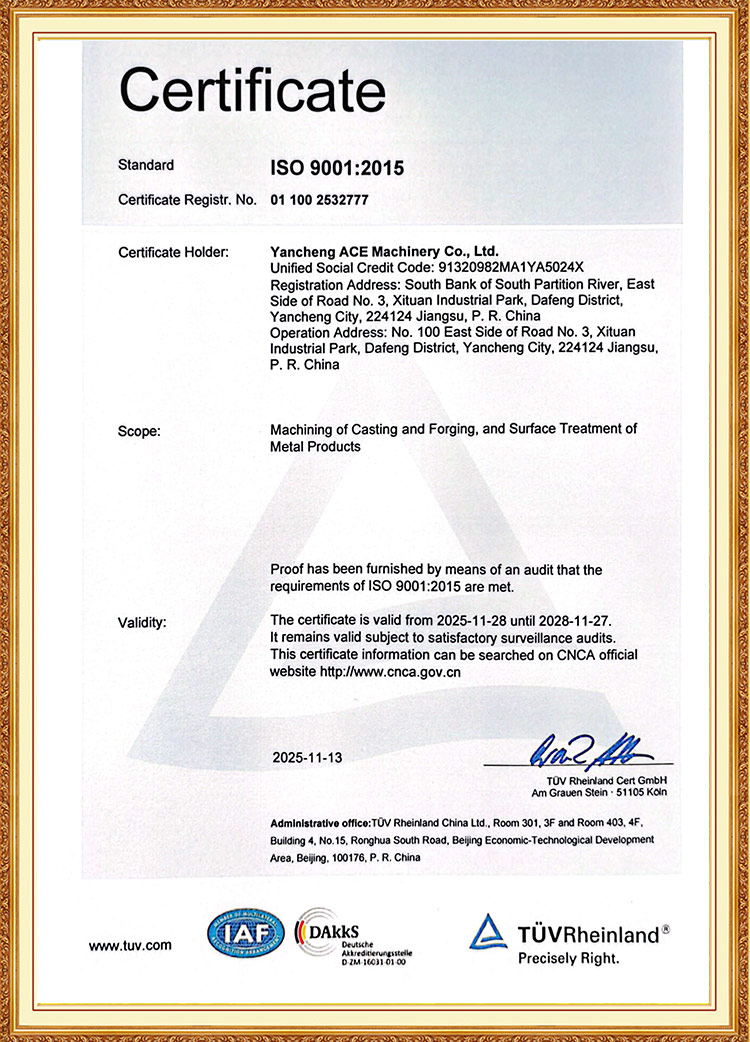 ISO 9001 Quality Management System
News
-
Company News 2026-03-19
ACE Group is a comprehensive heavy industrial manufacturing enterprise group whose vertically integrated business spans forging, heat treatment, precision machining, welded structures, and large-scale surface treatment. Operating through three specialized subsidiaries across facilities totaling over 68,351 square mete...
View More -
Industry News 2026-03-16
What Is a Cooling Plate Forging and How Does It Work? A cooling plate forging is a precision-manufactured heat dissipation component produced through the forging process — where metal is shaped under high compressive force to produce a dense, refined-grain structure — and subsequently machined to incorporate the inter...
View More -
Company News 2026-03-13
In the global heavy industrial manufacturing sector, businesses worldwide seek reliable, full-cycle partners that combine advanced production capabilities, strict quality control, and end-to-end service flexibility. ACE Group, a premier comprehensive enterprise focused on heavy industrial manufacturing, has establishe...
View More
Related products
-
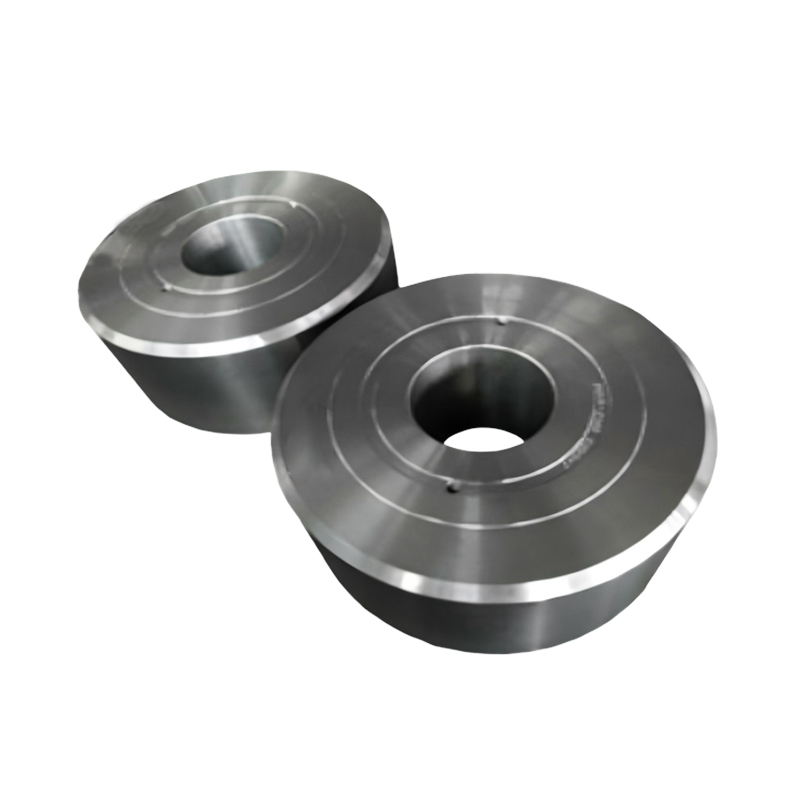
Wind Turbine 5MW-10MW 1st/2nd/3rd Stage Planet Gear Forgings
-
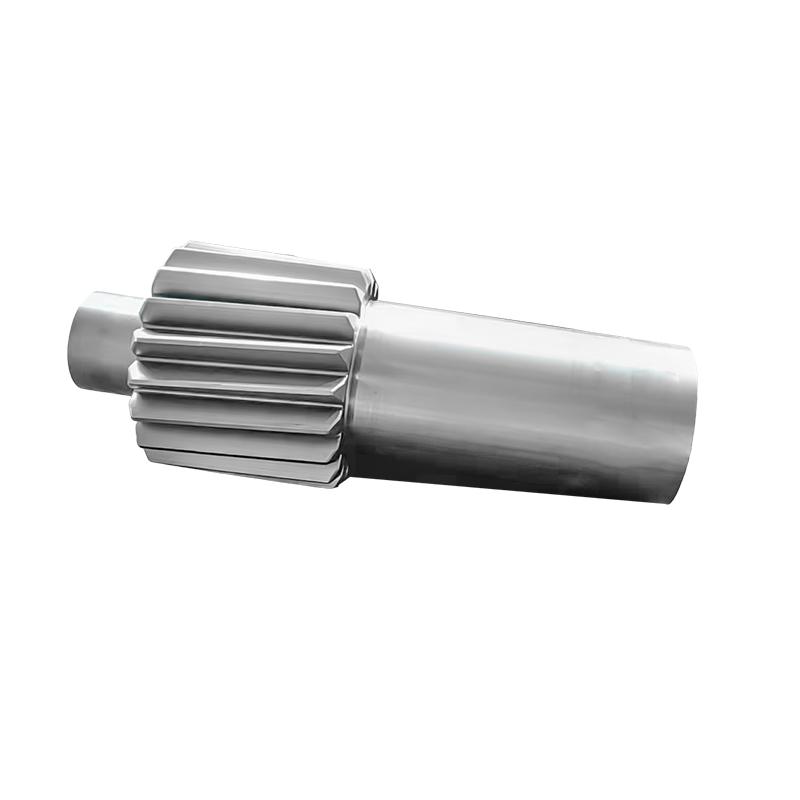
Wind Turbine 5MW-10MW 1st/2nd/3rd Stage Sun Gear Forgings
-
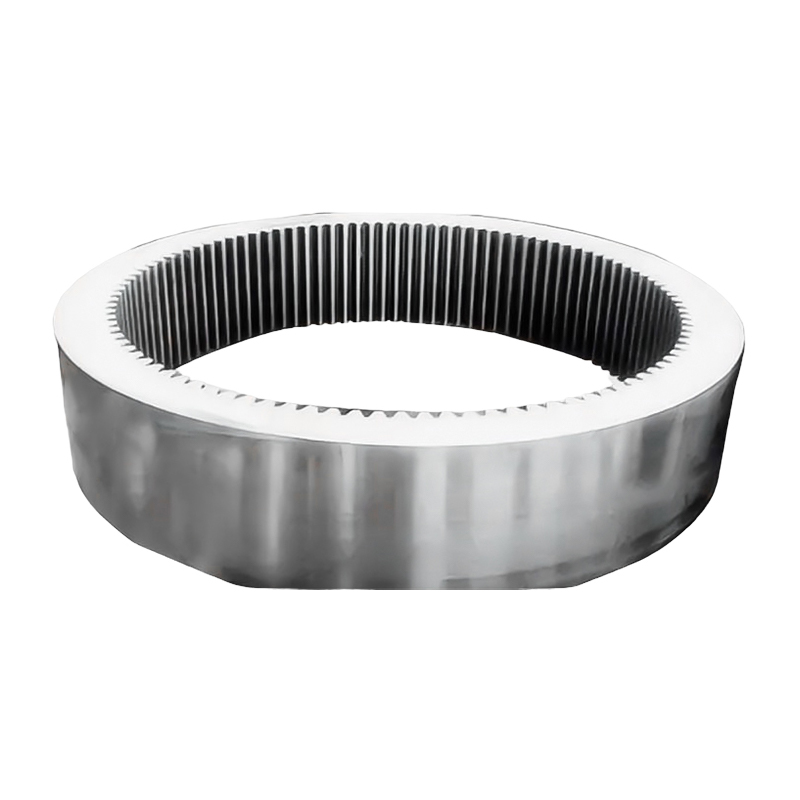
Wind Turbine 5MW-10MW 1st/2nd Stage Ring Gear Forgings
-
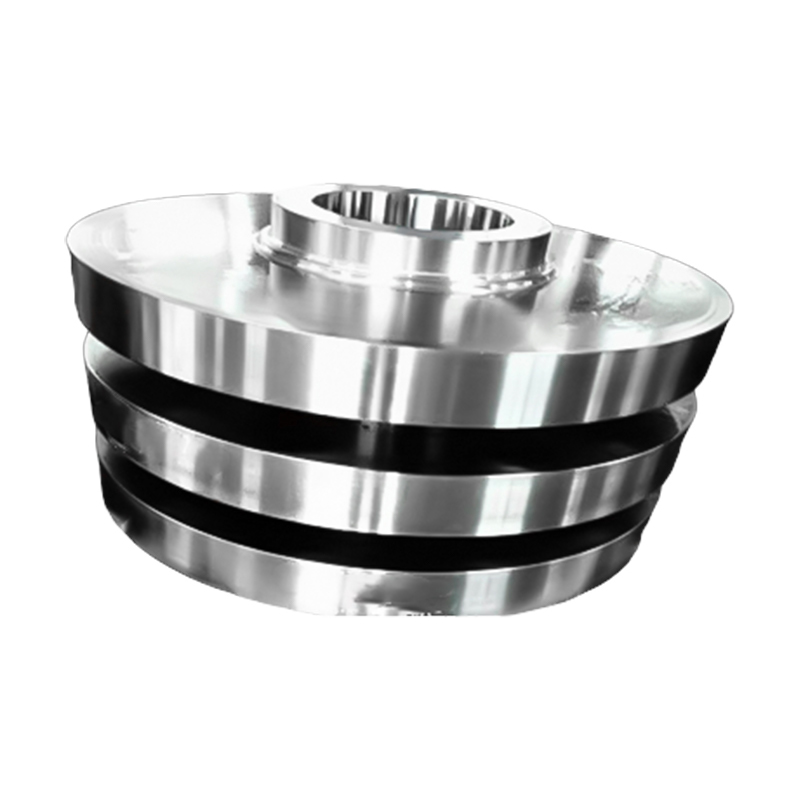
Wind Turbine 3MW-10MW Planet Carrier Forgings
-
Guide Vane Forgings
-
Hydraulic Turbine Guide Vane Forgings
-
Hydroelectric Generator Shaft Forgings
-
Nuclear Power Conventional Island Parts Forgings
-
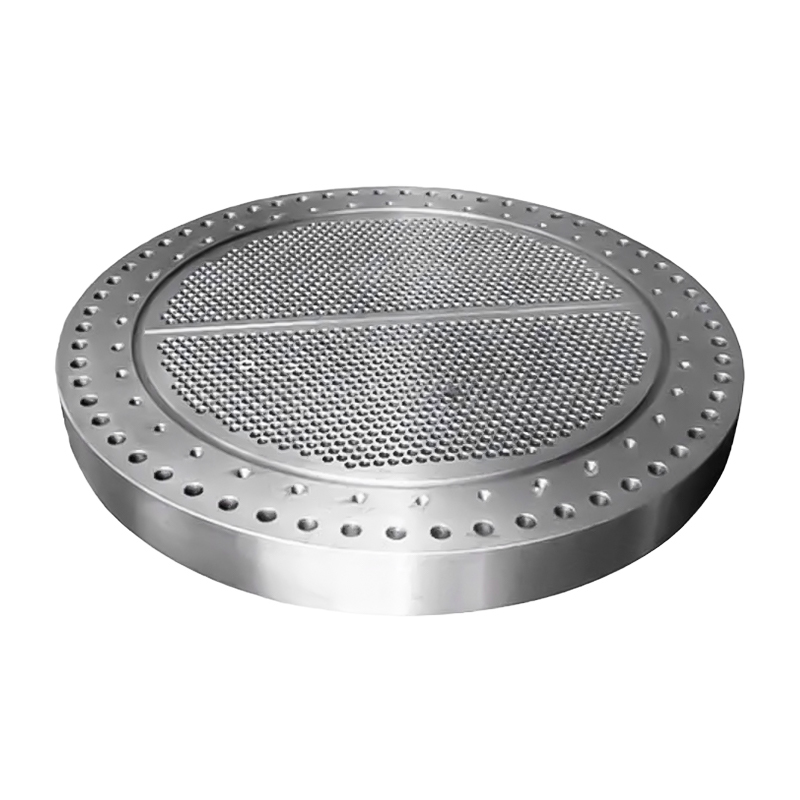
Tube Sheet Forgings
-
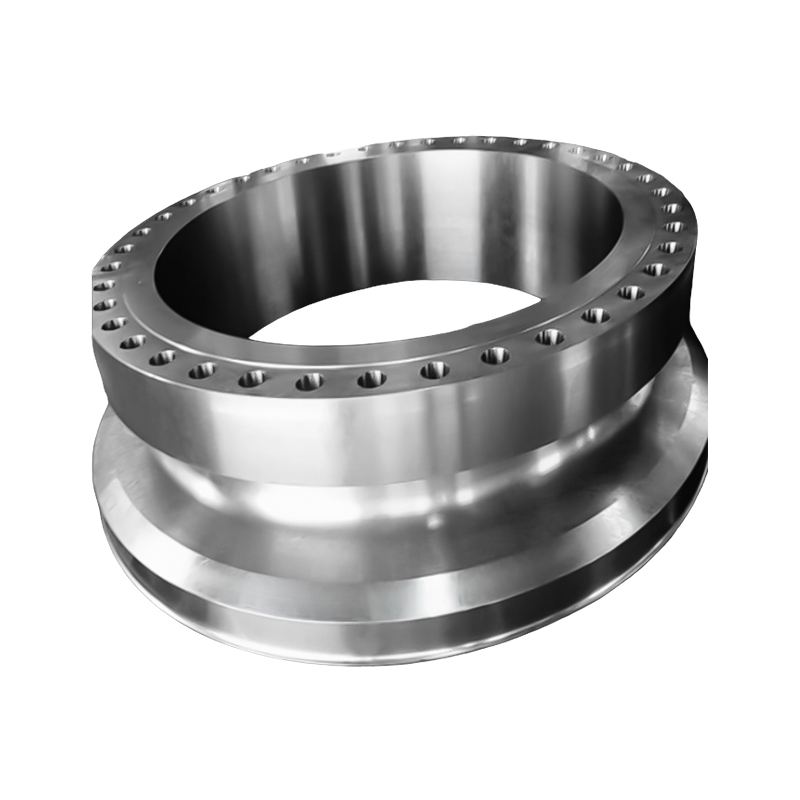
Nuclear Power Plant Piping Nozzle Forgings
-
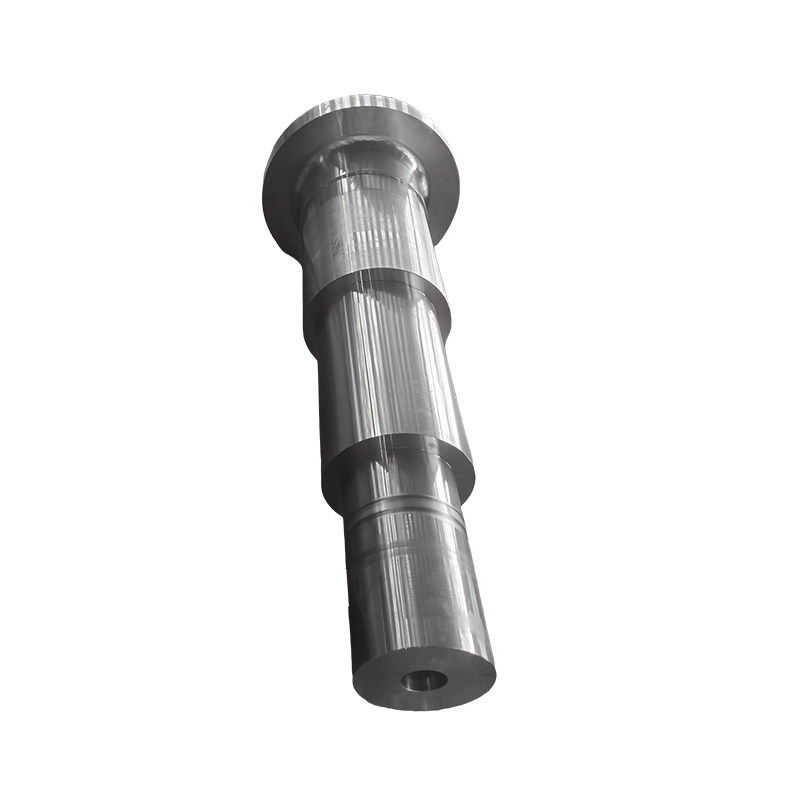
Marine Stern Shaft Forgings
-
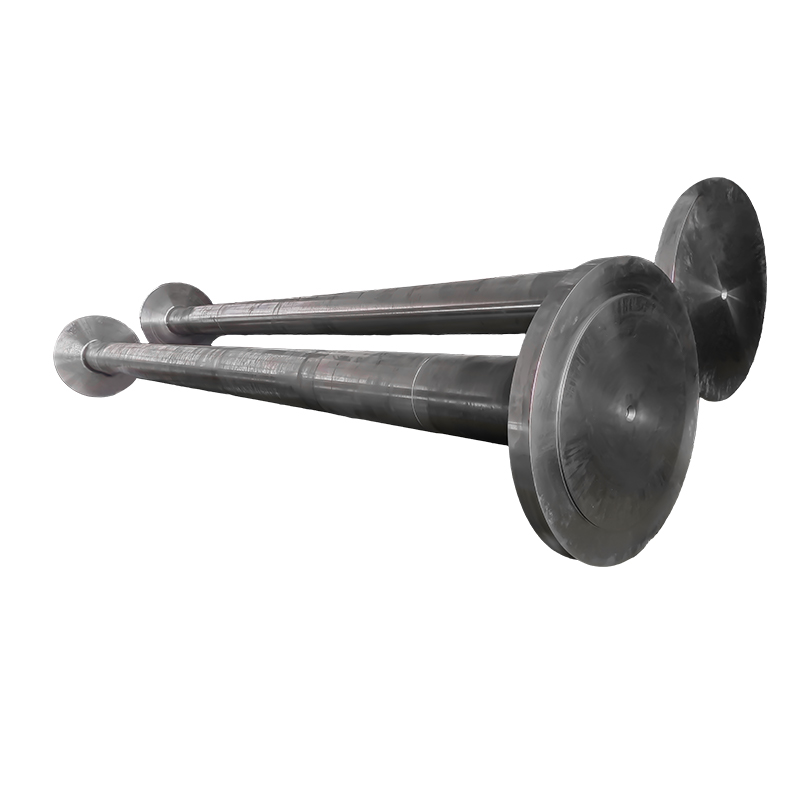
Marine Intermediate Shaft Forgings
Rudder System Forgings KNOWLEDGE
A ship's Rudder System is the primary mechanism for steering and maneuverability. Unlike the propulsion shaft which transmits torque, rudder forgings must withstand massive lateral (side-to-side) forces and torsional stress caused by water pressure acting on the rudder blade at high speeds.
1. Key Forged Components in a Rudder System
A rudder assembly consists of several high-strength forged parts that connect the steering gear to the rudder blade.
-
Rudder Stock: The "spine" of the system. It is a massive forged shaft that connects the steering gear (tiller) to the rudder blade. It transmits the turning torque.
-
Pintles: These are the forged pins that act as the hinges upon which the rudder rotates. They sit in the rudder "gudgeons" and support the weight/lateral load of the rudder.
-
Rudder Horn (Sway Forging): In semi-spade rudders, the horn is a heavy forging that extends from the ship’s hull to provide an extra pivot point for the rudder.
-
Rudder Carrier & Nut: Forged components that support the vertical weight of the rudder assembly within the hull.
2. Common Materials & Engineering Properties
Rudder components are typically made from high-quality carbon-manganese or alloy steels. Because the rudder is often "cantilevered" (supported only at one or two points), ductility and impact toughness are critical to prevent snapping under wave impact.
| Component | Common Material | Key Property |
| Main Rudder Stock | 36Mn5 / 42CrMo4 | High torsional strength and fatigue resistance. |
| Pintles | Stainless Steel (e.g., F316L) | High corrosion resistance (exposed to seawater) and wear resistance. |
| Coupling Bolts | Alloy Steel (e.g., 34CrNiMo6) | Extreme shear strength to prevent the rudder from detaching. |
3. Forging & Manufacturing Excellence
The manufacturing of rudder forgings focuses on structural integrity and precise geometry:
-
Integral Flange Forging: The connection between the rudder stock and the rudder blade is usually a large flange. Forging this flange integrally with the shaft (rather than welding it) ensures there is no "Heat Affected Zone" (HAZ) where stress cracks could form.
-
Tapered Machining: Rudder pintles and the ends of the stock are often machined with a precise 1:10 or 1:12 taper. This allows for a "interference fit" into the rudder blade, ensuring no movement or vibration during operation.
-
Surface Treatment: The "Bearing Journal" areas (where the stock or pintle rotates against a bushing) are often cladded with stainless steel or hard-chromed to prevent corrosion and galling.
4. Quality Control and "Class" Approval
Like marine shafts, rudder forgings must be certified by societies such as ABS, DNV, or LR.
-
Ultrasonic Testing (UT): Critical for rudder stocks to ensure no internal voids, especially near the radius where the shaft meets the flange (the highest stress point).
-
Magnetic Particle Inspection (MT): Used to check for surface cracks after final machining.
-
Torsion Testing: In some high-spec naval applications, the forging must undergo a physical torsion test to verify its elastic limit.
5. Common Challenges: Fatigue and Corrosion
-
Bending Stress: Unlike a propulsion shaft which is supported by multiple bearings, a rudder stock often acts like a "lever." Constant wave action creates cyclic bending, making fatigue life the most important design calculation.
-
Galvanic Corrosion: Because rudders involve different metals (stainless pintles, steel stock, bronze bushings), they are prone to galvanic corrosion. Forgings are protected using sacrificial anodes (Zinc/Aluminum) attached to the rudder blade.
FAQ: Rudder System Forgings
Q1: Why are rudder pintles often made of stainless steel while the stock is carbon steel?
-
A: Pintles are often "wet" (submerged and difficult to protect with paint), requiring the inherent corrosion resistance of stainless steel. The stock is mostly "dry" inside the hull or protected by a trunk, allowing for the use of stronger, more cost-effective carbon-manganese steel.
Q2: What is a "Spade Rudder" vs. a "Semi-Spade Rudder" in terms of forging?
-
A: A Spade Rudder is supported entirely by the rudder stock. This requires a much thicker, stronger forging because the stock handles all the bending moment. A Semi-Spade Rudder uses a forged pintle and a "horn" for support, allowing for a thinner (and lighter) rudder stock.
Q3: Can a bent rudder stock be straightened?
-
A: It is technically possible using "cold straightening" or "localized heating," but most Marine Class societies are very strict about this. If the bend is significant, the internal crystal structure of the forging is compromised, and a new forging is usually required for safety.
Message Us Right Now!
-
Mobile Terminal
-
Quick Links
Products About Us Equipment & Capacity Quality News Contact Us -
Product Category
Electric Power Energy Forgings Ship and Port Machinery Forgings Mining and Metallurgy Forgings Food and Feed Machinery Forgings Petrochemical Industry Forgings Welding Fabrication Non-standard Customized Forging -
Contact Us
Mob.: +86-173 7218 0878 Tel.: +86-515-8389 0396 E-mail: ivy.zhai@aceprocess.cn Add.: No.21 Jinfeng Road, Economic Development Park, Dafeng District, Yancheng City, Jiangsu, China
