

 English
 中文简体
中文简体

Industry News


Industry News
How Are Marine Shaft Forgings Made?
2026-08-14
Marine shaft forgings are made through a multi-stage process that begins with heating a large steel ingot or billet to forging temperature, then shaping it under high pressure using hydraulic or mechanical forging equipment, followed by controlled heat treatment to achieve the required mechanical properties, and finally precision machining to reach exact final dimensions. Each of these stages contributes to the shaft's ability to withstand the extreme torsional and bending loads experienced during vessel propulsion, which is why forging rather than casting remains the preferred manufacturing method for critical marine shaft components. Metallurgical testing data commonly referenced in marine engineering standards shows that forged steel components achieve significantly higher fatigue strength and grain structure integrity compared to cast alternatives, a difference that directly affects long-term reliability under continuous shipboard operating conditions.
Content
- 1 Selecting and Preparing Raw Steel Material
- 2 Heating the Billet to Forging Temperature
- 3 The Forging Process and Grain Structure Development
- 4 Rough Machining to Near-Final Shape
- 5 Heat Treatment for Mechanical Property Optimization
- 6 Non-Destructive Testing for Internal Quality Verification
- 7 Precision Machining to Final Dimensions
- 8 Final Inspection and Certification
- 9 Who Should Understand This Manufacturing Process
Selecting and Preparing Raw Steel Material
The forging process begins well before any shaping takes place, starting with careful selection of steel grade and preparation of the raw billet that will ultimately become the finished shaft.
Key Material Preparation Steps
- Steel grade selection based on the specific strength, corrosion resistance, and fatigue performance required for the vessel application
- Billet inspection for internal defects using ultrasonic testing before forging begins
- Precise cutting of the raw material to the appropriate starting dimensions for the forging process
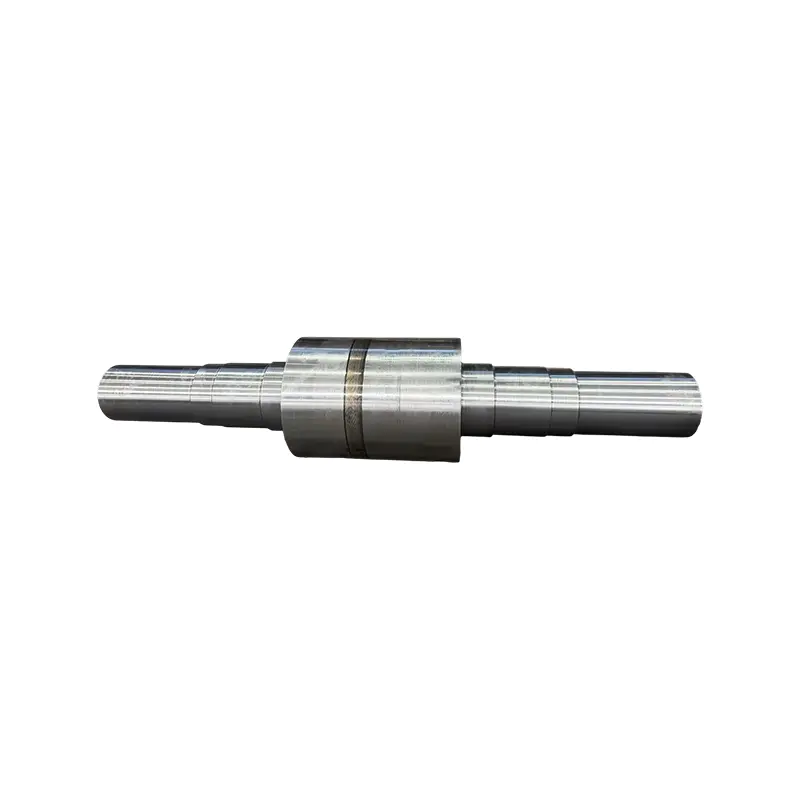
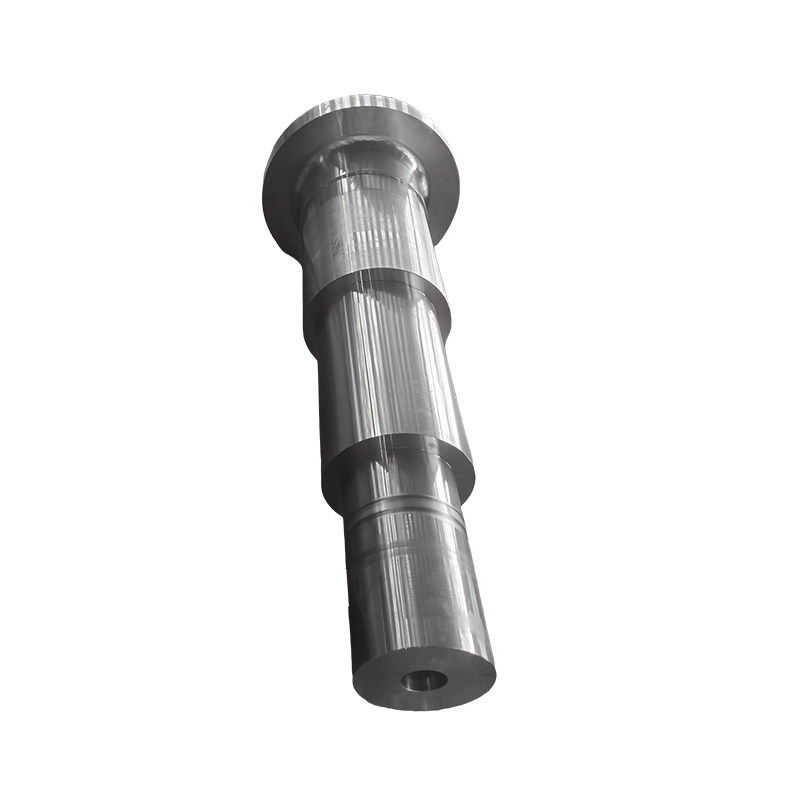
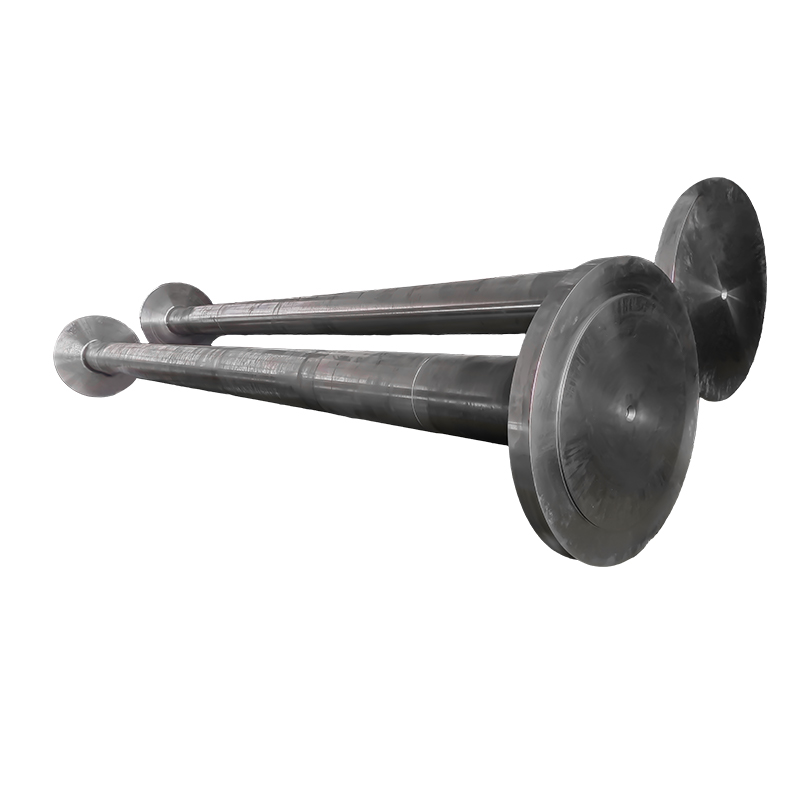
Manufacturers producing Marine Shaft Forgings typically source certified marine-grade steel that meets recognized classification society standards, ensuring the base material already possesses the chemical composition and cleanliness needed to support the demanding mechanical properties required in the finished shaft.
Heating the Billet to Forging Temperature
Before any shaping can occur, the steel billet must be heated to a precise temperature range that makes the material sufficiently malleable for forging while avoiding the grain structure damage that excessive heat can cause.
Why Temperature Control Matters
| Temperature Condition | Effect on Forging Quality |
| Underheated billet | Increased forging force required, risk of internal cracking |
| Properly heated billet | Smooth material flow, consistent grain refinement |
| Overheated billet | Grain coarsening, reduced mechanical properties |
Furnace temperature is closely monitored throughout the heating cycle, since maintaining the material within its ideal forging temperature range is essential for achieving the fine, uniform grain structure that gives forged shafts their characteristic strength advantage over cast components.
The Forging Process and Grain Structure Development
Once heated to the correct temperature, the billet undergoes the actual forging operation, where mechanical force reshapes the material while simultaneously refining its internal grain structure.
How Forging Improves Material Properties
- Compressive force breaks down the coarse, cast grain structure present in the original billet
- Repeated forging passes align the grain flow along the shaft's length, following the component's load-bearing direction
- This aligned grain structure significantly improves resistance to fatigue cracking under the cyclical torsional loads a propulsion shaft experiences
This grain flow alignment is one of the most important structural advantages forging provides over casting, since a shaft with grain flow following its length resists crack propagation far more effectively than one with a random or coarse grain structure typical of cast components.
Rough Machining to Near-Final Shape
After forging, the shaft undergoes an initial rough machining stage, removing excess material and establishing the approximate final geometry before more precise finishing work begins.
Purpose of Rough Machining
This stage removes the forging scale and surface irregularities left from the hot forging process, while also cutting the shaft closer to its intended final dimensions, reducing the amount of material that must be removed during the more time-intensive precision finishing stages that follow.
Heat Treatment for Mechanical Property Optimization
Following rough machining, the shaft undergoes controlled heat treatment processes designed to achieve the specific hardness, strength, and toughness balance required for reliable marine propulsion service.
Common Heat Treatment Stages
- Normalizing, which refines grain structure further and relieves internal stresses from the forging process
- Quenching, rapidly cooling the shaft to achieve increased hardness and strength
- Tempering, reheating the quenched shaft to a lower temperature to reduce brittleness while retaining strength
This sequence of heat treatment stages is carefully controlled to achieve the exact mechanical property specifications required by classification societies overseeing marine equipment standards, ensuring the finished shaft can withstand its intended service loads without excessive brittleness.
Non-Destructive Testing for Internal Quality Verification
Before proceeding to final machining, forged marine shafts typically undergo rigorous non-destructive testing to confirm internal soundness and detect any defects that could compromise structural integrity.
Common Testing Methods
Ultrasonic testing is widely used to detect internal voids, inclusions, or cracks that would not be visible through surface inspection alone, while magnetic particle testing helps identify surface and near-surface defects that could serve as crack initiation points under cyclical loading during vessel operation.
Why Testing at This Stage Matters
Catching internal defects before final precision machining prevents wasted labor and material cost on a shaft that would ultimately fail quality certification, making thorough testing at this intermediate stage a practical quality control checkpoint.
Precision Machining to Final Dimensions
The final manufacturing stage involves precise machining operations that bring the shaft to its exact final dimensions, surface finish, and tolerance requirements specified by the vessel's propulsion system design.
Key Precision Machining Considerations
Critical dimensions such as bearing journal diameters, coupling flange faces, and keyway or spline features must be machined to tight tolerances, since even small dimensional inaccuracies can create alignment issues or premature wear once the shaft is installed within the vessel's propulsion system.
Final Inspection and Certification
Before a completed Marine Shaft Forgings product ships to a customer, it typically undergoes final dimensional inspection and documentation review to confirm compliance with the required classification society standards and customer specifications. This documentation provides material traceability and mechanical property verification that shipyards and vessel operators rely on when installing critical propulsion components.
Who Should Understand This Manufacturing Process
Shipyard procurement teams, marine engineers, and vessel maintenance managers specifying propulsion shaft components benefit from understanding this manufacturing process, since it clarifies why forged shafts command a quality premium over cast alternatives and what quality documentation to expect from a reputable manufacturer. This understanding supports more informed supplier evaluation, particularly when comparing quotes where testing rigor and heat treatment quality may vary significantly between different forging suppliers.
Message Us Right Now!
-
Mobile Terminal
-
Quick Links
Products About Us Equipment & Capacity Quality News Contact Us -
Product Category
Power‑Generation Forgings OEM Machined Forgings CUSTOMIZED MADE FORGING PARTS Ship and Port Machinery Forgings Mining and Metallurgy Forgings Food and Feed Machinery Forgings Welding Fabrication Petrochemical Industry Forgings -
Contact Us
Mob.: +86-173 7218 0878 Tel.: +86-515-8389 0396 E-mail: ivy.zhai@aceprocess.cn Add.: No.21 Jinfeng Road, Economic Development Park, Dafeng District, Yancheng City, Jiangsu, China
Copyright © 2025 Yancheng ACE Machinery Co., Ltd. All Rights Reserved.
China open die forgings manufacturer
custom precision forgings supplier
