

 English
 中文简体
中文简体

Industry News


Industry News
What is a splined shaft?
2026-08-07
A splined shaft is a mechanical shaft with a series of parallel ridges or teeth machined along its surface, designed to interlock with a matching internally splined component to transmit torque with high precision and minimal rotational slippage. Unlike a smooth shaft that relies on keyways or friction fits to transfer rotational force, the multiple engagement points along a splined shaft distribute load evenly across the entire connection, which reduces stress concentration and improves overall durability under repeated or heavy torque cycles. Mechanical engineering references commonly used in power transmission design note that splined connections can handle significantly higher torque loads than single-key shaft connections of comparable size, which is why this design remains a standard choice across demanding industrial and heavy machinery applications.
Content
- 1 How the Spline Geometry Enables Torque Transmission
- 2 Comparing Splined Shafts to Keyed Shaft Connections
- 3 Common Types of Spline Profiles
- 4 Allowing Axial Movement While Maintaining Rotational Lock
- 5 Manufacturing Precision and Material Considerations
- 6 Common Applications Across Industries
- 7 Maintenance and Wear Considerations
- 8 Who Should Prioritize Splined Shaft Design Quality
How the Spline Geometry Enables Torque Transmission
The defining feature of a splined shaft is its series of raised teeth or grooves running along its length, which mesh precisely with a corresponding internally splined hub, gear, or coupling to create a secure, rotationally locked connection.
Core Functional Elements
- Multiple teeth distribute torque load across the full circumference rather than concentrating stress at a single point
- Precise tooth geometry ensures consistent engagement between the shaft and mating component
- Close manufacturing tolerances minimize backlash, or rotational play, between the connected parts
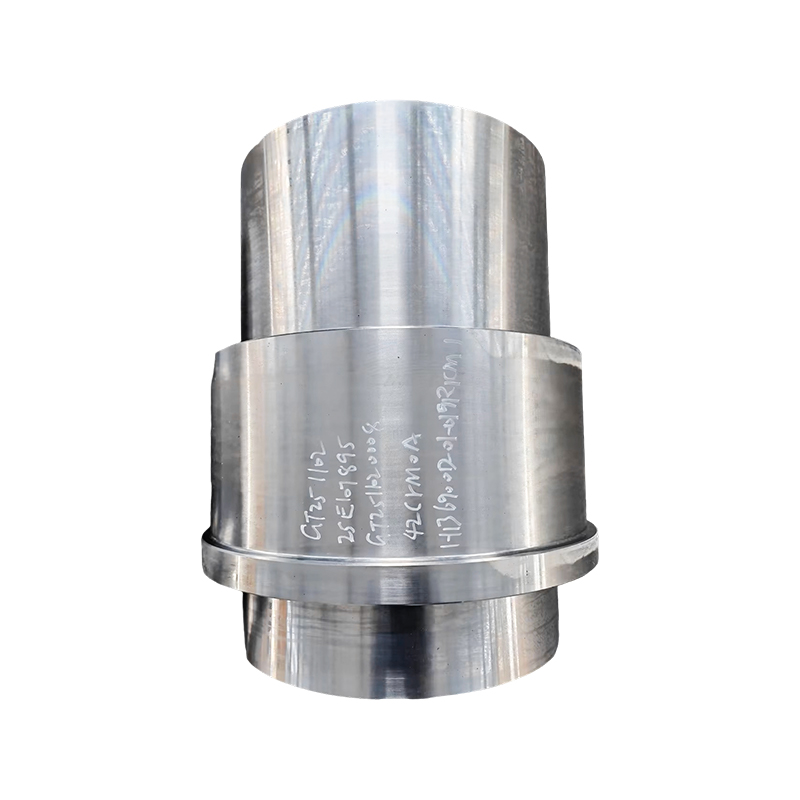
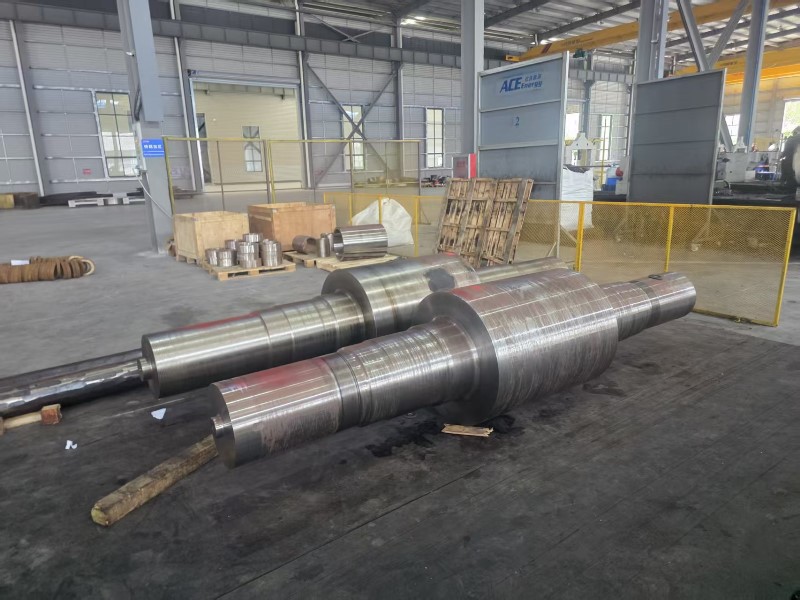
A precision-manufactured splined shaft used in demanding applications such as gearbox assemblies must maintain tight dimensional tolerances across every tooth, since even small inconsistencies can lead to uneven load distribution and premature wear at the connection point.
Comparing Splined Shafts to Keyed Shaft Connections
Understanding how splined shafts differ from traditional keyed shaft connections clarifies why splines are often selected for higher-torque or precision-critical applications rather than simpler, lower-cost alternatives.
Connection Type Comparison
| Connection Type | Torque Capacity | Load Distribution |
| Keyed shaft | Lower to moderate | Concentrated at single keyway |
| Splined shaft | Higher | Distributed across multiple teeth |
This distributed load characteristic is a key reason splined shafts are frequently specified for applications involving heavy machinery, automotive drivetrains, and industrial gearboxes, where a single keyway connection would be prone to excessive wear or fatigue failure under sustained high torque conditions.
Common Types of Spline Profiles
Splined shafts are manufactured with different tooth profile designs, each suited to specific load conditions, precision requirements, and manufacturing considerations.
Primary Spline Profile Types
- Straight-sided splines, offering simple manufacturing and reliable torque transmission for general applications
- Involute splines, which use a curved tooth profile similar to gear teeth for improved load distribution and reduced stress concentration
- Serrated splines, featuring finer, more numerous teeth suited to lower-torque, high-precision applications
Involute splines have become particularly common in high-performance mechanical systems, since their curved tooth geometry more closely resembles standard gear tooth design principles, allowing for more predictable stress distribution under varying load conditions.
Allowing Axial Movement While Maintaining Rotational Lock
Beyond simply transmitting torque, many splined shaft applications also require the ability to slide axially while remaining rotationally locked, a functional capability that keyed connections cannot easily replicate.
Why Sliding Capability Matters
In applications such as vehicle drivetrains or telescoping mechanical assemblies, the splined connection allows the shaft to extend or retract along its axis in response to suspension movement or assembly adjustment, all while maintaining continuous, reliable torque transfer during the sliding motion.
Design Considerations for Sliding Splines
Splined connections designed for sliding applications typically require slightly looser tooth engagement tolerances than fixed, non-sliding splines, balancing smooth axial movement against the need to maintain minimal rotational backlash during torque transmission.
Manufacturing Precision and Material Considerations
Producing a reliable splined shaft requires precise manufacturing methods and careful material selection, since the component must withstand repeated torque cycling without excessive wear at the tooth contact points.
Common Manufacturing Methods
- Hobbing, a machining process that cuts spline teeth with high dimensional accuracy
- Cold rolling, which forms splines through material displacement rather than cutting, often improving surface hardness
- Broaching, commonly used for internal spline features on mating hub components
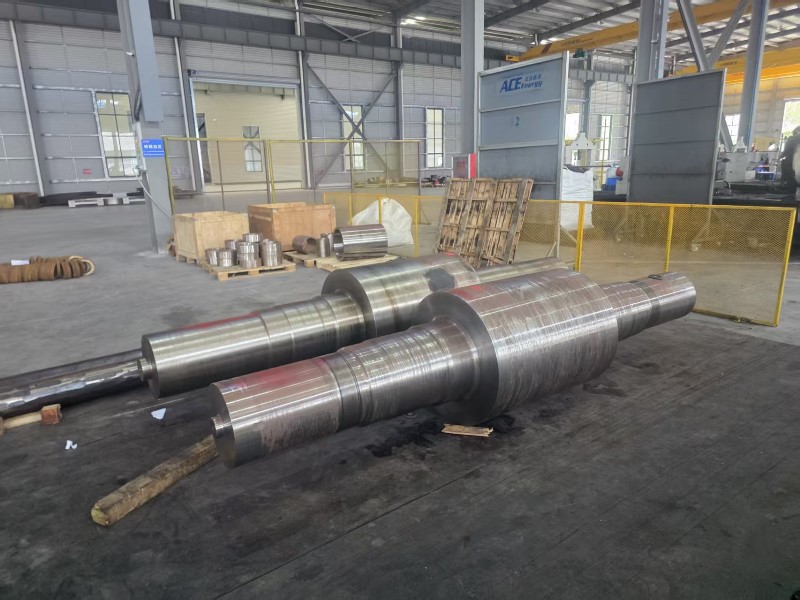
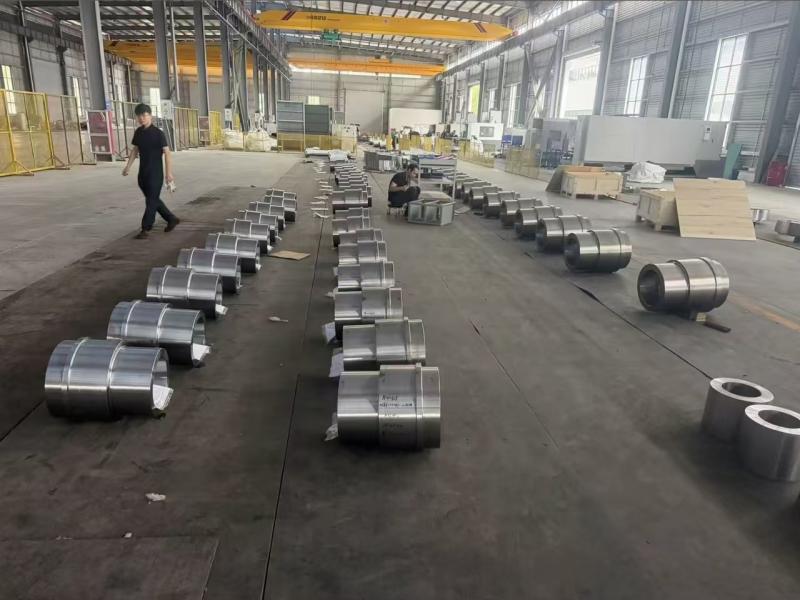
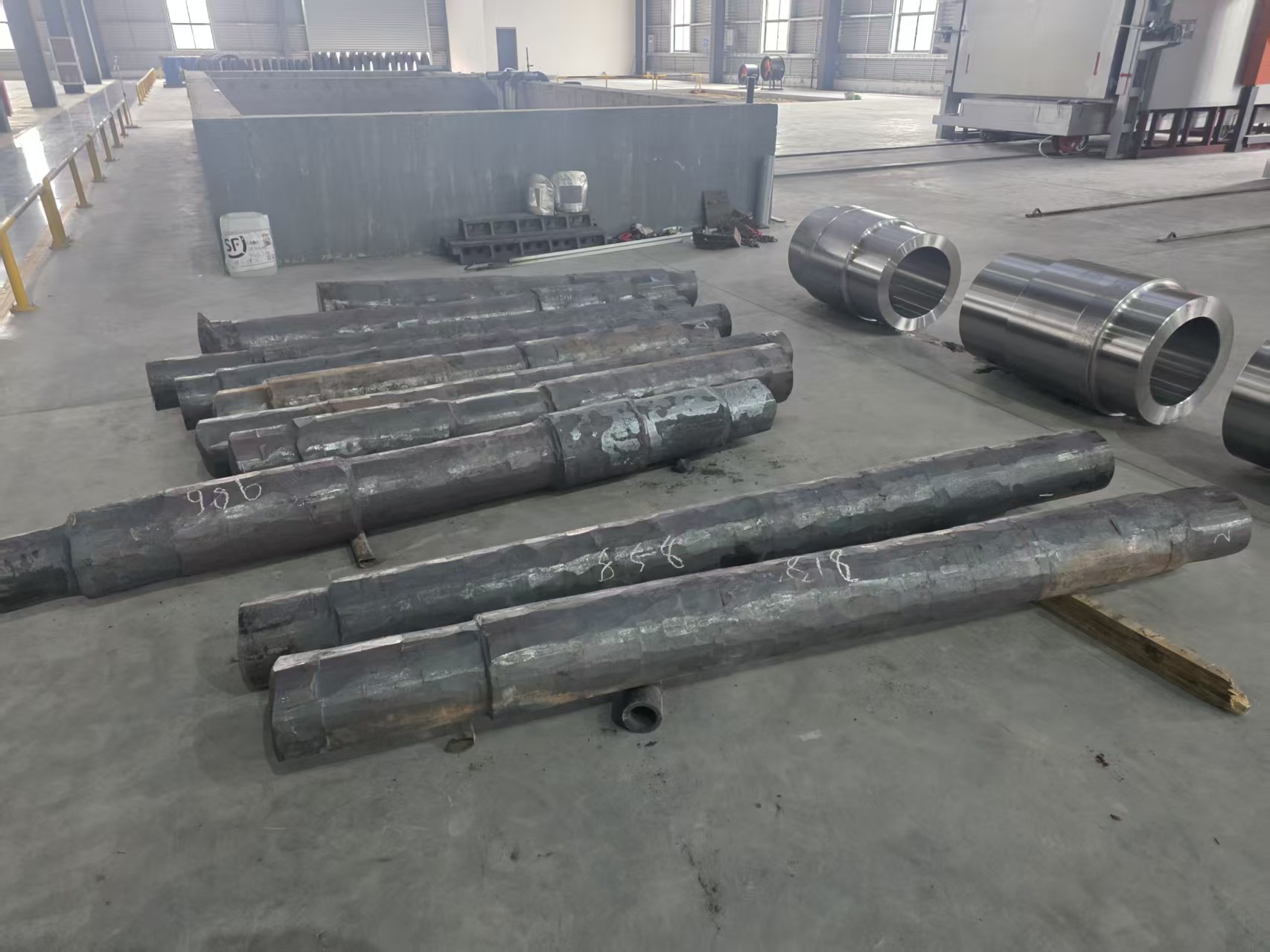
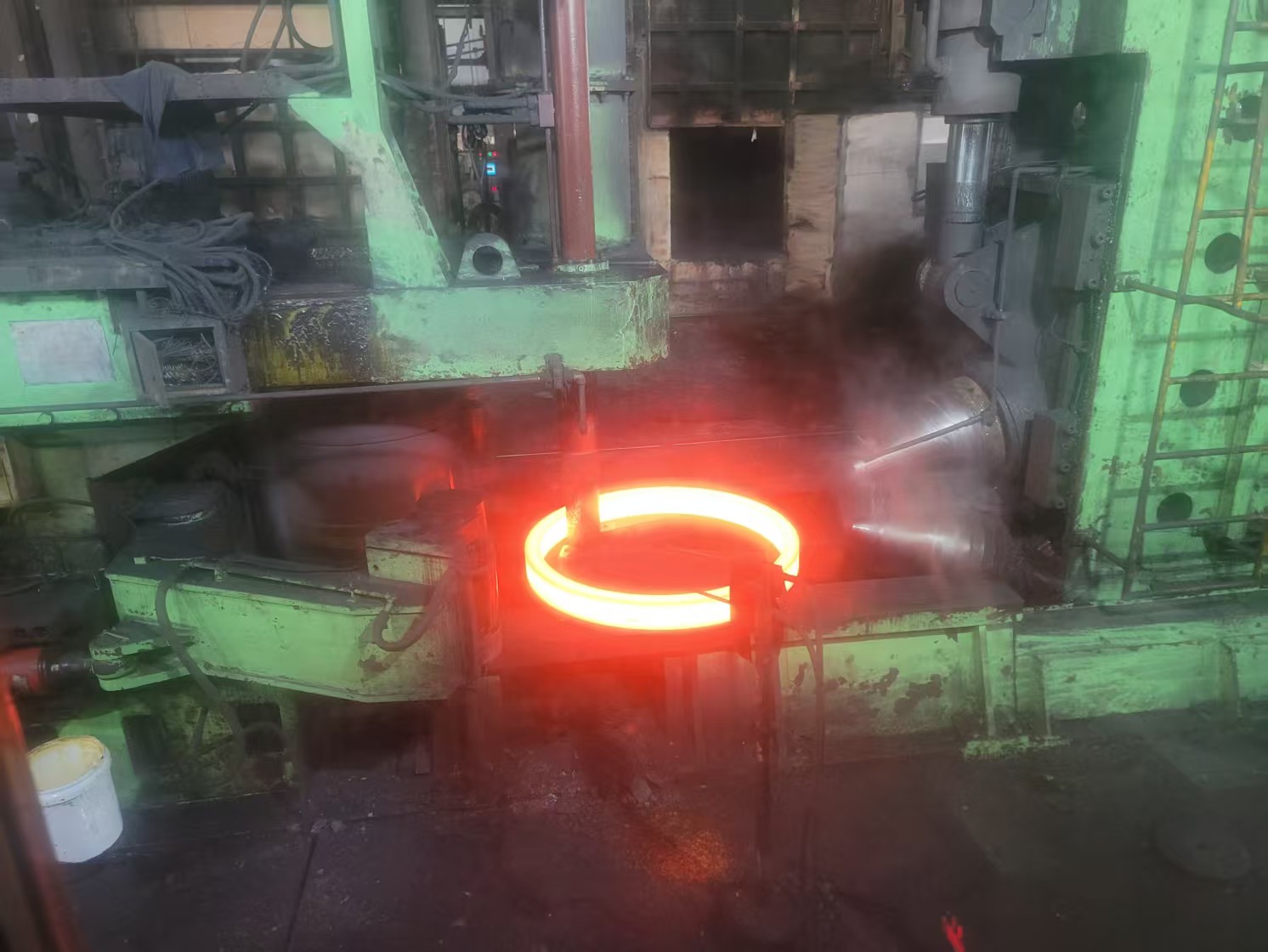
Manufacturers producing forged splined shaft components for heavy-duty applications, such as wind turbine gearboxes, often apply additional heat treatment processes to increase surface hardness at the tooth contact points, improving wear resistance under sustained high-torque operating conditions.
Common Applications Across Industries
Splined shafts appear across a wide range of mechanical systems wherever reliable, precise torque transmission between rotating components is required.
Where Splined Shafts Are Commonly Used
Automotive drivetrains use splined connections extensively in transmission output shafts and constant velocity joints, while industrial gearboxes rely on splined shafts to connect gear stages with minimal backlash. Wind turbine gearboxes similarly depend on precisely manufactured splined shaft components to transfer the substantial torque loads generated by rotor rotation into the generator system reliably over decades of continuous operation.
Maintenance and Wear Considerations
Like any mechanical connection subject to repeated load cycling, splined shafts experience gradual wear over time, and understanding common failure indicators helps guide appropriate maintenance planning.
Signs of Spline Wear
Increased backlash or rotational play between the shaft and mating component, visible wear marks on the tooth contact surfaces, and unusual noise or vibration during operation are all indicators that spline wear may be progressing and warrants closer inspection before it leads to more significant mechanical failure.
Who Should Prioritize Splined Shaft Design Quality
Mechanical engineers and equipment designers working on high-torque applications, including automotive drivetrains, industrial gearboxes, and renewable energy equipment such as wind turbine gearboxes, should prioritize precise spline manufacturing and appropriate material selection during the design phase. Facilities specifying splined shaft components for heavy-duty or continuous-operation equipment particularly benefit from working with manufacturers capable of demonstrating tight dimensional tolerances and appropriate heat treatment processes, since these factors directly affect long-term reliability under sustained mechanical load.
Message Us Right Now!
-
Mobile Terminal
-
Quick Links
Products About Us Equipment & Capacity Quality News Contact Us -
Product Category
Power‑Generation Forgings OEM Machined Forgings CUSTOMIZED MADE FORGING PARTS Ship and Port Machinery Forgings Mining and Metallurgy Forgings Food and Feed Machinery Forgings Welding Fabrication Petrochemical Industry Forgings -
Contact Us
Mob.: +86-173 7218 0878 Tel.: +86-515-8389 0396 E-mail: ivy.zhai@aceprocess.cn Add.: No.21 Jinfeng Road, Economic Development Park, Dafeng District, Yancheng City, Jiangsu, China
Copyright © 2025 Yancheng ACE Machinery Co., Ltd. All Rights Reserved.
China open die forgings manufacturer
custom precision forgings supplier
