

 English
 中文简体
中文简体

Industry News


Industry News
How Wind Turbine Gearbox Forgings Work
2026-07-31
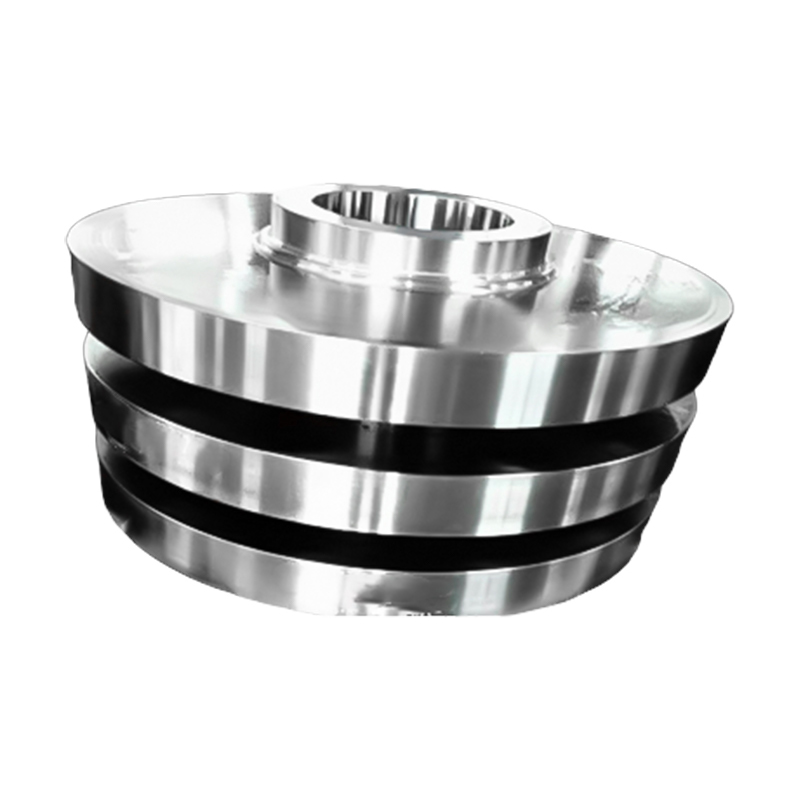
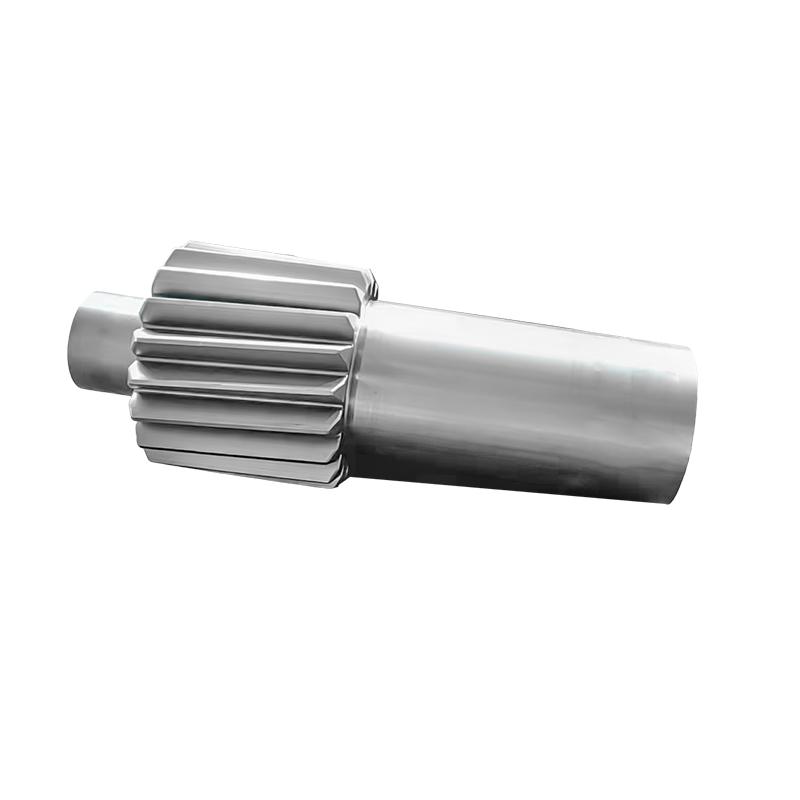
Wind turbine gearbox forgings work by forming the structural and load bearing core of the gearbox, transmitting and multiplying rotational torque from the slow turning rotor shaft to the much faster turning generator shaft while withstanding constant cyclic stress, variable wind loading, and torque reversals over decades of operation. Components such as ring gears, planet carriers, sun shafts, and main shafts are all typically produced as forgings rather than castings because their internal grain structure must be strong and directionally aligned to survive this repeated mechanical loading. A properly engineered part such as Wind Turbine Gearbox Forgings is designed specifically to handle this torque path reliably across the turbine's operating life.
The sections below explain how torque physically moves through each forged component, what mechanical stresses they endure, and why forging construction is essential to how the gearbox performs under real world wind conditions.
Content
The Torque Path Through the Gearbox
Understanding how gearbox forgings work starts with following the path torque takes from the rotor blades down to the generator.
From Rotor Shaft to Planetary Stage
Wind striking the turbine blades rotates the main rotor shaft at a relatively slow speed, often in the range of 10 to 20 rpm for large utility scale turbines. This slow, high torque rotation enters the gearbox through the first planetary stage, where the sun gear, planet gears, and ring gear, all typically forged components, work together to begin stepping up rotational speed while distributing load across multiple gear teeth simultaneously.
Multiple Gear Stages Increasing Speed
Most wind turbine gearboxes use two or three stages, often combining planetary and helical gear sets, to progressively increase rotational speed from the slow rotor input to the much faster speed required by the generator, sometimes reaching over 1500 rpm at the output shaft depending on generator design. Each stage relies on forged shafts and gear blanks to handle the increasing rotational speed and associated centrifugal stress.
How Each Forged Component Handles Load
Different forged parts inside the gearbox experience different types of mechanical stress based on their specific role in the torque path.
Ring Gears
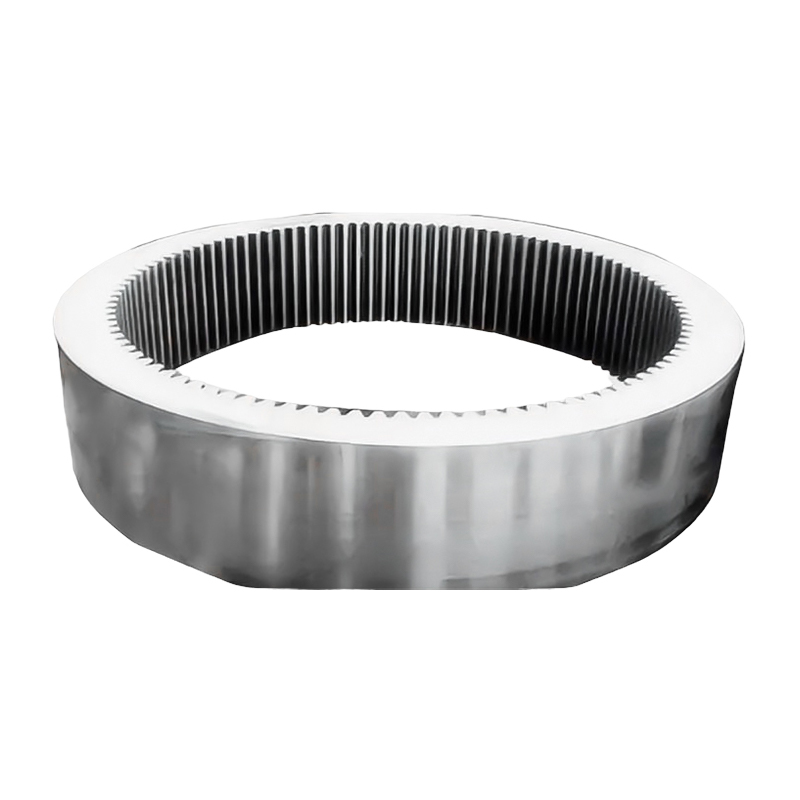
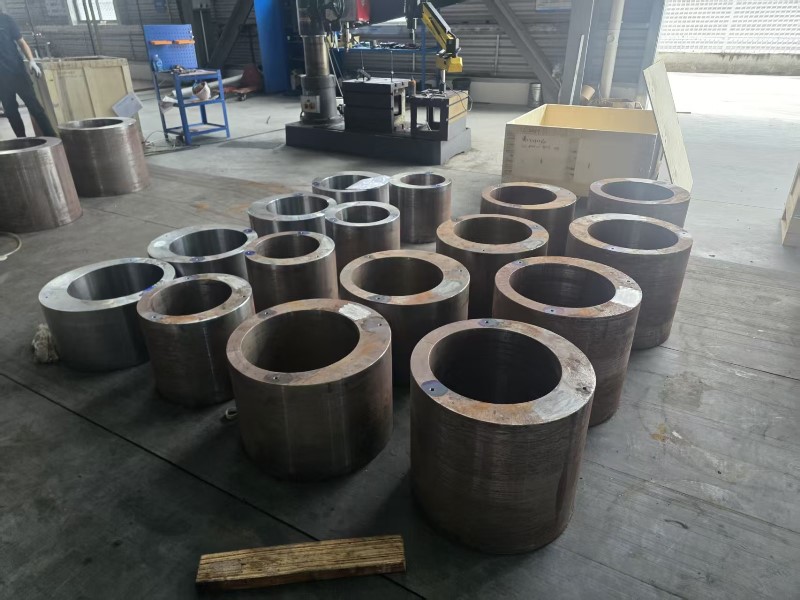
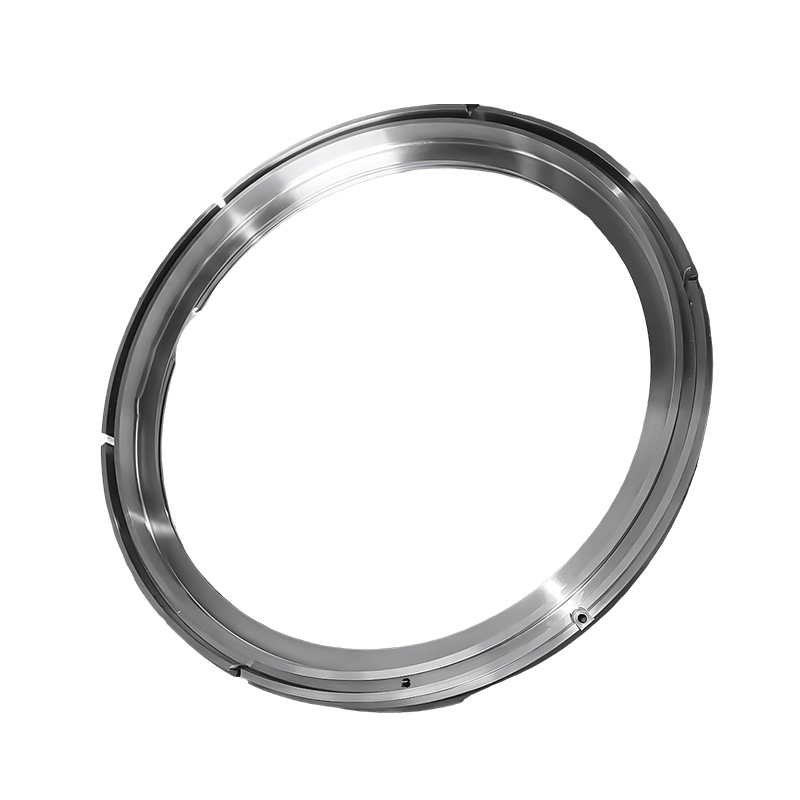
The ring gear surrounds the planetary stage and remains stationary or rotates depending on gearbox configuration, absorbing reactive torque from the planet gears pressing outward against its internal teeth. Because this component experiences continuous cyclic tooth loading, its forged grain structure, aligned circumferentially through the ring rolling process, provides the fatigue resistance needed to prevent tooth root cracking over millions of load cycles.
Planet Carriers
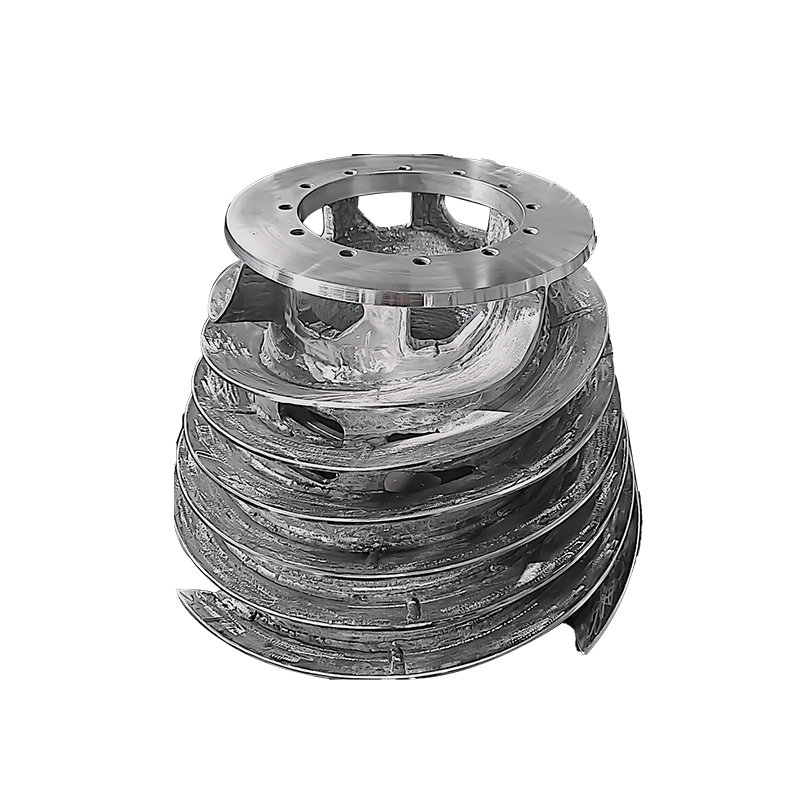
The planet carrier holds the planet gears in position while transmitting torque from the planetary stage to the next gear stage. This component experiences complex combined bending and torsional loads, which is why forged carriers with continuous grain flow through their structural arms are generally preferred over cast alternatives that lack the same directional strength.
Main and Output Shafts
Shafts connecting each gear stage must transmit torque without excessive twisting or deflection, since misalignment introduced by shaft flex can cause uneven gear tooth contact and accelerated wear. Forged shafts provide the torsional stiffness and fatigue resistance needed to maintain consistent alignment under fluctuating wind loads.
Why Grain Structure Affects How These Parts Perform Under Load
The mechanical performance of a gearbox forging is directly tied to how its internal grain structure was formed during manufacturing.
| Structural Property | Effect on Gearbox Performance |
| Directional grain flow | Improves fatigue life under repeated torque cycles |
| Low internal porosity | Reduces risk of crack initiation under stress |
| Consistent hardness profile | Maintains gear tooth wear resistance over time |
| High impact toughness | Helps absorb sudden torque spikes from gust loading |
These structural properties, which forging provides more consistently than casting, directly influence how the gearbox behaves during real world operating conditions, particularly during sudden wind gusts or grid disturbances that momentarily spike torque through the drivetrain.
Handling Variable and Reversing Loads
Unlike many industrial gearboxes that operate under relatively steady load, wind turbine gearboxes must handle constantly changing and sometimes reversing torque conditions caused by wind variability.
- Wind gusts cause sudden torque spikes that forged components must absorb without permanent deformation
- Lulls in wind speed cause torque to drop rapidly, creating cyclic stress reversal on gear teeth
- Grid connection events or emergency braking can introduce short duration high torque loading
- Thermal expansion from operational heat adds additional stress variation across gearbox components
This constantly fluctuating load profile is a major reason gearbox components rely on forged construction, since the fatigue resistance gained from directional grain flow is specifically what allows these parts to withstand repeated stress reversals without premature cracking.
How Forging Quality Affects Long Term Gearbox Reliability
Because wind turbine gearboxes are difficult and expensive to access for repair once installed on a tower, the reliability of forged internal components has a direct impact on overall turbine maintenance costs.
- Internal defects in forgings can act as stress concentration points that initiate fatigue cracks over time
- Inconsistent heat treatment can leave gear tooth surfaces softer than specified, accelerating wear
- Dimensional inaccuracy in forged gear blanks can cause uneven tooth contact and vibration
- Poor grain flow alignment reduces the component's ability to resist repeated torque cycling
Because gearbox failures often require crane access and extended downtime to repair, sourcing forged components such as Wind Turbine Gearbox Forgings from suppliers with rigorous quality control is generally treated as a critical decision in turbine drivetrain design rather than a simple cost comparison exercise.
Summary
Wind turbine gearbox forgings work by forming the mechanical backbone of the drivetrain, carrying torque through ring gears, planet carriers, and shafts while withstanding constant cyclic loading, sudden gust induced torque spikes, and stress reversals over decades of service. Their forged grain structure is what gives these components the fatigue resistance and toughness needed to keep the gearbox operating reliably, which is why forging remains the standard manufacturing method for critical load bearing components inside modern wind turbine drivetrains.
Message Us Right Now!
-
Mobile Terminal
-
Quick Links
Products About Us Equipment & Capacity Quality News Contact Us -
Product Category
Power‑Generation Forgings OEM Machined Forgings CUSTOMIZED MADE FORGING PARTS Ship and Port Machinery Forgings Mining and Metallurgy Forgings Food and Feed Machinery Forgings Welding Fabrication Petrochemical Industry Forgings -
Contact Us
Mob.: +86-173 7218 0878 Tel.: +86-515-8389 0396 E-mail: ivy.zhai@aceprocess.cn Add.: No.21 Jinfeng Road, Economic Development Park, Dafeng District, Yancheng City, Jiangsu, China
Copyright © 2025 Yancheng ACE Machinery Co., Ltd. All Rights Reserved.
China open die forgings manufacturer
custom precision forgings supplier
