

 English
 中文简体
中文简体

Industry News


Industry News
How Wind Turbine Gearbox Forgings Are Manufactured
2026-07-24
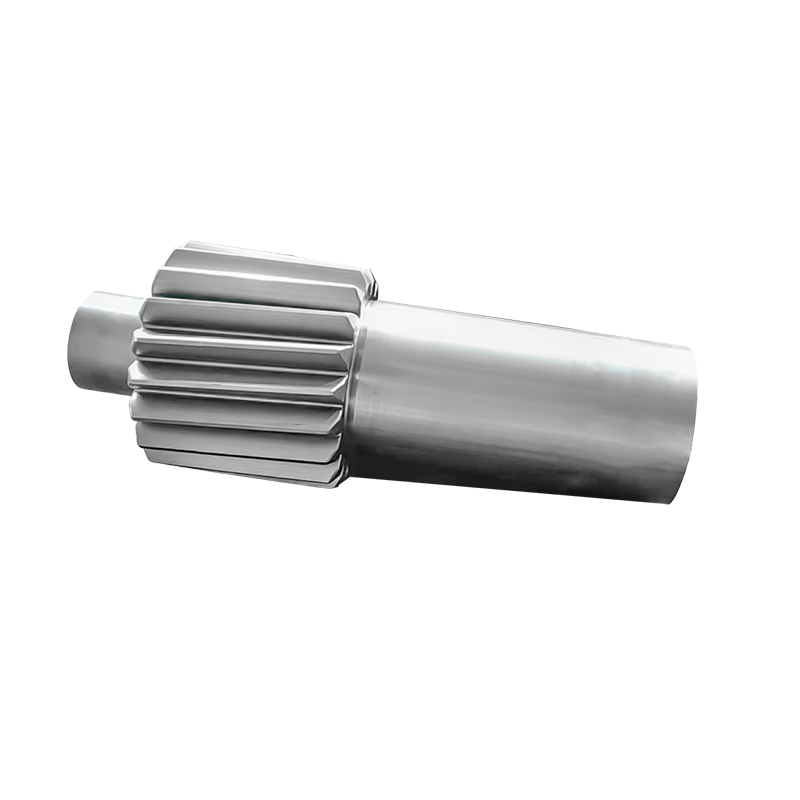
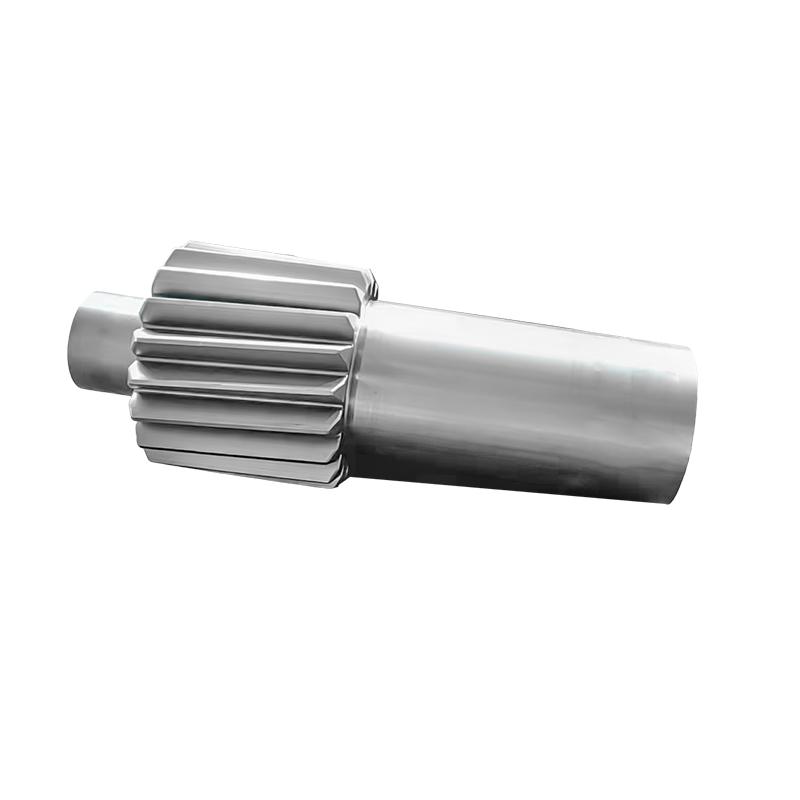
Wind turbine gearbox forgings are manufactured by heating a steel billet to a controlled forging temperature, then shaping it under high compressive force using open die or closed die forging presses, followed by heat treatment to achieve the required strength and toughness, and finally precision machining to reach final dimensional tolerances. This process produces the dense, directionally aligned grain structure needed for gearbox components such as ring gears, planet carriers, and shafts, which must withstand continuous cyclic loading inside a wind turbine drivetrain. Components such as Wind Turbine Gearbox Forgings are engineered specifically to meet these mechanical and dimensional demands across decades of turbine operation.
The sections below walk through each stage of the manufacturing process in detail, along with the material and quality considerations that make forged gearbox components suitable for long term wind energy use.
Content
Raw Material Selection and Billet Preparation
The manufacturing process begins well before any shaping takes place, with careful selection and preparation of the steel billet.
Alloy Steel Selection
Wind turbine gearbox forgings are typically produced from low alloy steels such as 42CrMo4 or similar grades, chosen for their combination of strength, fatigue resistance, and hardenability. These alloy compositions are selected specifically because gearbox components experience continuous cyclic stress over the turbine's operational lifetime, often expected to exceed 20 years of service according to general wind industry design life standards.
Billet Cutting and Inspection
Steel billets are cut to size from continuously cast or rolled bar stock, then inspected for internal defects using ultrasonic testing before forging begins. Catching inclusions or porosity at this stage prevents defects from being carried forward into the final forged component, where they would be far more difficult and costly to detect.
Heating and the Forging Process
Once the billet passes inspection, it moves through a controlled heating and forming sequence designed to achieve the correct internal grain structure.
Controlled Furnace Heating
The billet is heated in a furnace to a forging temperature typically in the range of 1100 to 1250 degrees Celsius for common alloy steels, a range that keeps the material soft enough to deform without cracking while avoiding excessive grain growth that can weaken the final part.
Open Die and Closed Die Forging
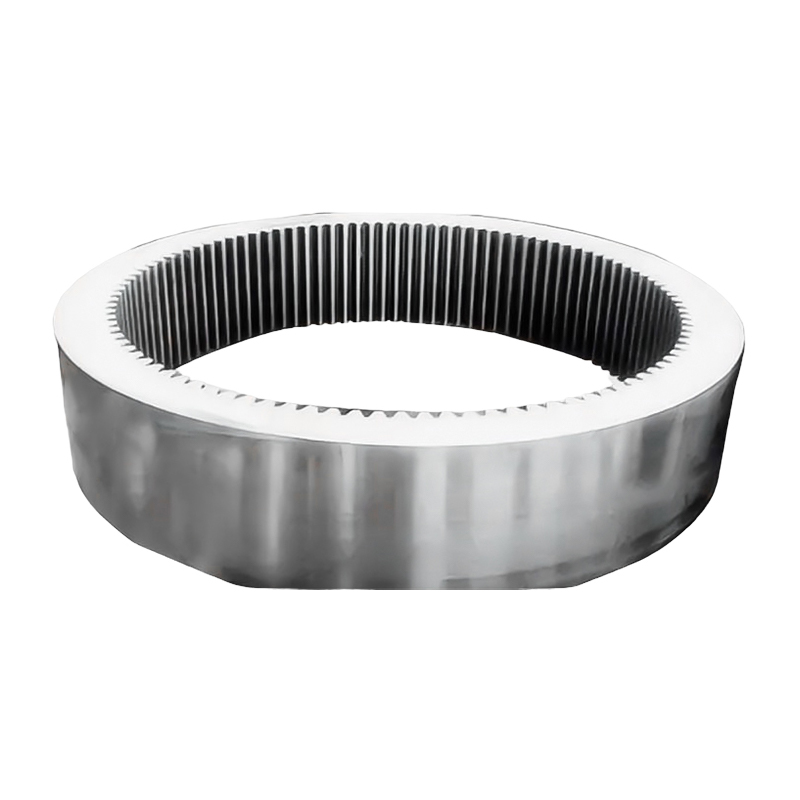
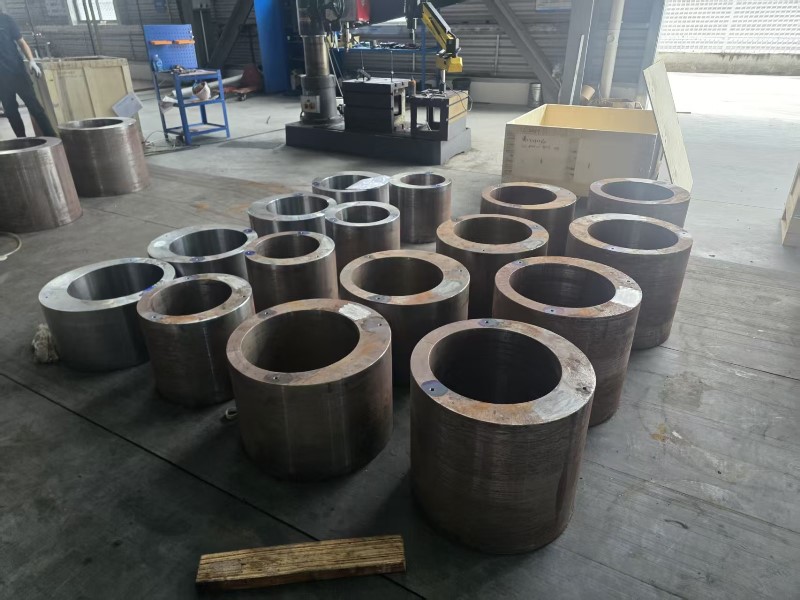
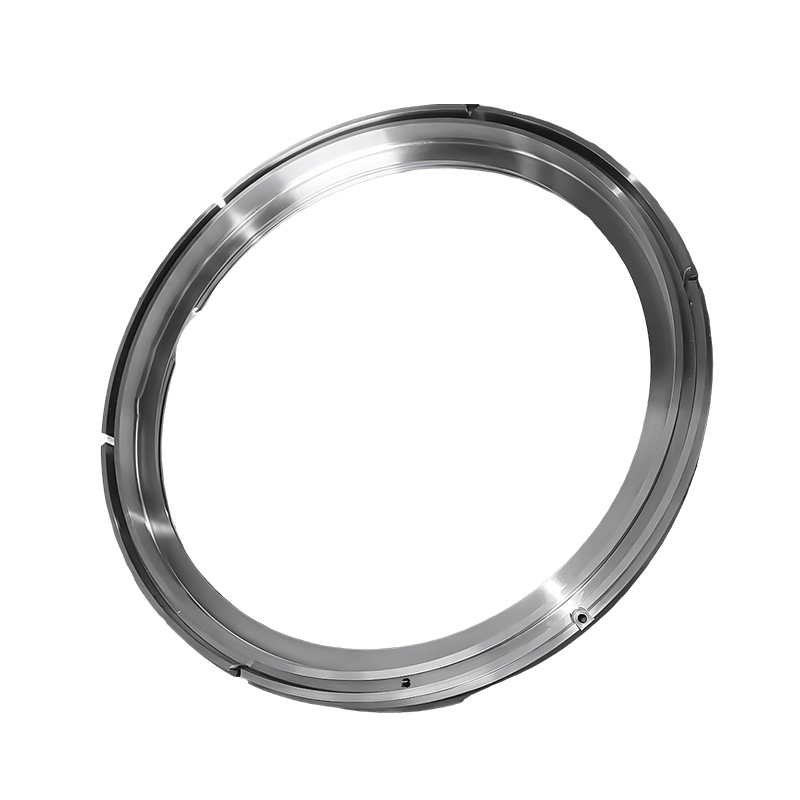
Depending on component geometry, either open die forging, which uses flat or simple shaped dies to gradually work the billet into rough shape, or closed die forging, which uses matched dies to form more precise geometries in fewer steps, is applied. Ring gears and large diameter gearbox rings are commonly produced using ring rolling, a specialized forging process that expands a pierced billet into a seamless ring shape with a continuous, unbroken grain flow around its circumference.
Why Grain Flow Matters
Forging aligns the internal metal grain structure along the shape of the part rather than cutting across it, which is the key mechanical advantage forgings hold over cast or machined-from-bar alternatives. This continuous grain flow significantly improves fatigue strength and impact toughness, both critical properties for gearbox components subjected to constant rotational loading.
Heat Treatment for Strength and Toughness
After forging, the component undergoes heat treatment to develop the mechanical properties required for gearbox service conditions.
| Heat Treatment Stage | Purpose |
| Normalizing | Refines grain structure after forging |
| Quenching | Increases hardness through rapid cooling |
| Tempering | Reduces brittleness while retaining strength |
| Surface hardening (where required) | Improves wear resistance on gear tooth surfaces |
This sequence is standard practice in forged component manufacturing referenced in general metallurgical processing guidance, and the exact temperature and timing parameters are typically adjusted based on the specific alloy grade and component thickness.
Rough Machining and Dimensional Control
Once heat treated, the forging is far from its final usable shape and requires several machining stages to reach production tolerances.
- Rough machining removes excess material and establishes basic reference surfaces
- Semi finish machining brings the part closer to final dimensions while leaving material for finishing
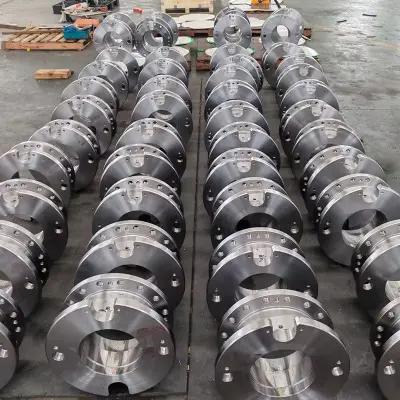
- Finish machining achieves final tolerances, often within fractions of a millimeter on critical mating surfaces
- Gear cutting or tooth forming is applied where the forging becomes a gear blank requiring precise tooth geometry
Dimensional accuracy at this stage is critical, since gearbox components must fit precisely with mating parts to avoid uneven load distribution that could accelerate wear or cause premature failure inside the gearbox assembly.
Quality Testing and Inspection Before Delivery
Because gearbox forgings operate under continuous mechanical stress in a difficult to access location atop a wind turbine tower, thorough inspection before delivery is essential.
- Ultrasonic testing checks for internal defects that may have formed during forging or heat treatment
- Magnetic particle inspection identifies surface and near surface cracks
- Hardness testing confirms the component meets specified mechanical property targets
- Dimensional inspection using coordinate measuring equipment verifies final tolerances against engineering drawings
Manufacturers producing components such as Wind Turbine Gearbox Forgings typically follow these inspection stages closely, since a defect discovered after installation on a turbine can result in significantly higher repair costs due to the difficulty of accessing gearbox components at height.
Why Forging Is Preferred Over Casting for Gearbox Components
Wind turbine gearbox components could theoretically be produced through casting, but forging remains the industry standard for critical load bearing parts for specific mechanical reasons.
| Property | Cast Components | Forged Components |
| Grain structure | Random, non directional | Aligned with part geometry |
| Fatigue resistance | Lower | Higher |
| Internal porosity risk | Higher | Significantly reduced |
| Impact toughness | Lower | Higher |
This general comparison reflects widely recognized metallurgical principles regarding forged versus cast component performance under cyclic loading conditions, which is why gearbox rings, shafts, and carriers in wind turbine drivetrains are almost universally produced through forging rather than casting.
Summary
Manufacturing wind turbine gearbox forgings involves a carefully controlled sequence of billet preparation, high temperature forging, heat treatment, precision machining, and rigorous inspection. Each stage contributes to the aligned grain structure and mechanical properties that allow these components to withstand decades of continuous cyclic loading inside a turbine gearbox. This is why forged components remain the standard choice over cast alternatives for critical drivetrain parts where fatigue resistance and long term reliability are essential.
Message Us Right Now!
-
Mobile Terminal
-
Quick Links
Products About Us Equipment & Capacity Quality News Contact Us -
Product Category
Power‑Generation Forgings OEM Machined Forgings CUSTOMIZED MADE FORGING PARTS Ship and Port Machinery Forgings Mining and Metallurgy Forgings Food and Feed Machinery Forgings Welding Fabrication Petrochemical Industry Forgings -
Contact Us
Mob.: +86-173 7218 0878 Tel.: +86-515-8389 0396 E-mail: ivy.zhai@aceprocess.cn Add.: No.21 Jinfeng Road, Economic Development Park, Dafeng District, Yancheng City, Jiangsu, China
Copyright © 2025 Yancheng ACE Machinery Co., Ltd. All Rights Reserved.
China open die forgings manufacturer
custom precision forgings supplier
