

 English
 中文简体
中文简体

Industry News
Home / News / Industry News / Why Certified Marine Forgings Are Critical for Maritime Safety and Structural Integrity
 Home / News / Industry News / Why Certified Marine Forgings Are Critical for Maritime Safety and Structural Integrity
Industry News
Why Certified Marine Forgings Are Critical for Maritime Safety and Structural Integrity
2026-02-09
Content
The Essential Role of High-Performance Marine Forgings in Shipbuilding
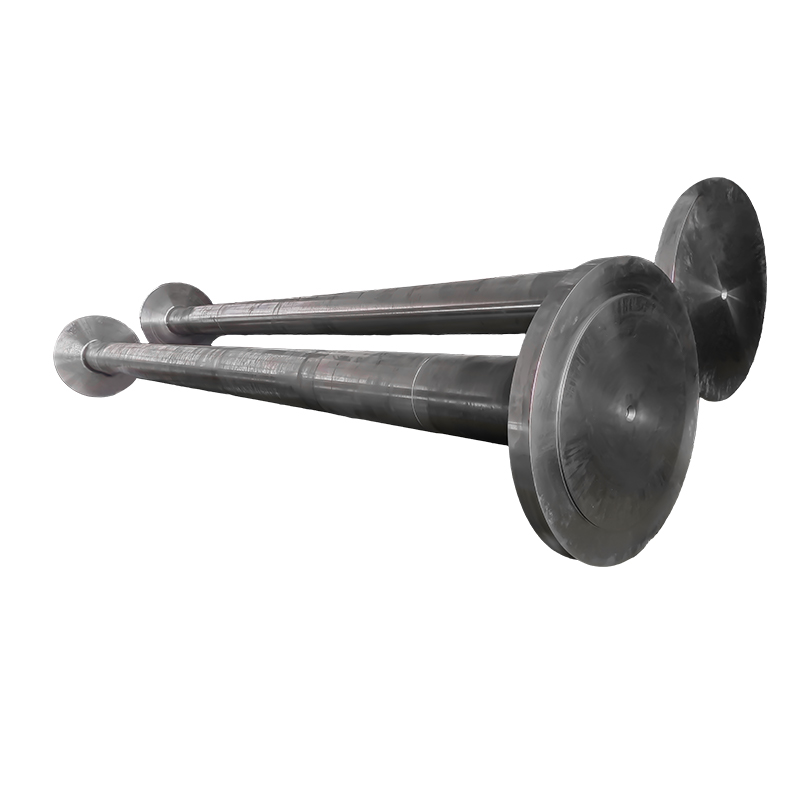
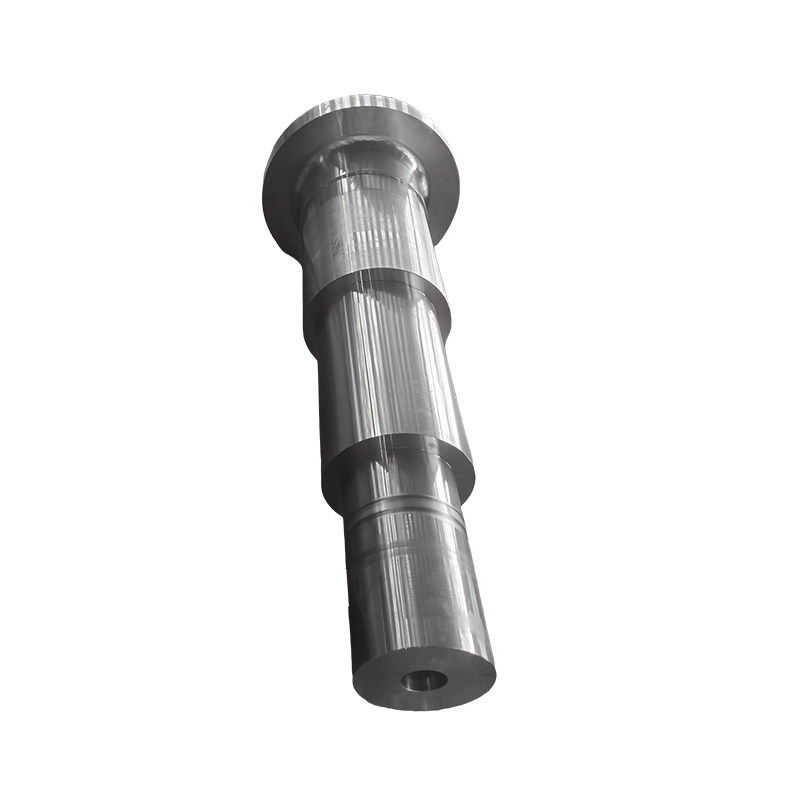
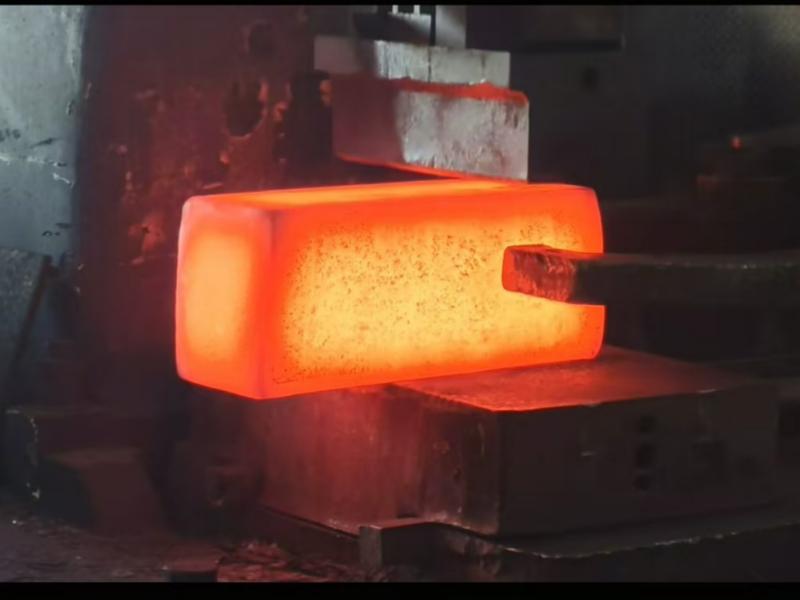
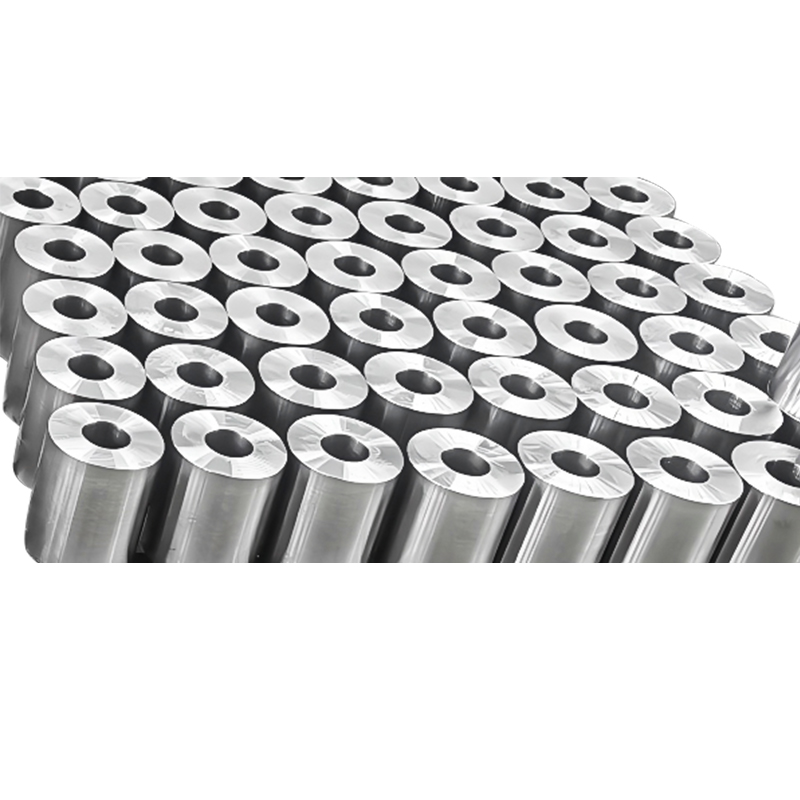
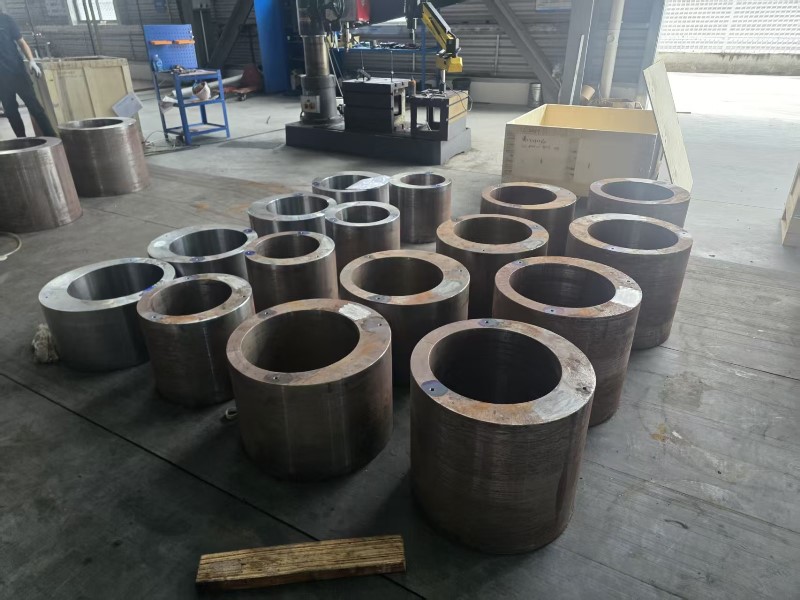
In the grueling environment of the open ocean, the mechanical components of a vessel are subjected to relentless corrosive forces, extreme thermal gradients, and intense structural vibrations. Marine forgings serve as the backbone of propulsion systems, steering gear, and critical hull attachments. Unlike cast components, forged parts undergo a specialized manufacturing process that aligns the internal grain structure of the metal, providing superior fatigue resistance and impact toughness. This structural superiority is vital for parts such as propeller shafts and rudder stocks, which must withstand high-torque loads without succumbing to stress fractures.
Safety at sea is non-negotiable, which is why professional-grade marine forgings must adhere to the highest global manufacturing standards. Just as automotive components rely on specialized management systems, elite maritime hardware is often produced under the IATF 16949 quality framework to ensure zero-defect production. This commitment to quality ensures that every forged component can endure the high-pressure cycles encountered during heavy weather or rapid maneuvering, significantly reducing the risk of catastrophic mechanical failure.
Technical Comparison: Forged vs. Cast Components in Marine Applications
When evaluating materials for maritime infrastructure, engineers must prioritize the "Total Cost of Ownership" (TCO) and long-term durability. While casting allows for complex geometries at a lower initial price point, forging provides a denser material structure that is free from the internal voids or porosity often found in cast parts. For large-scale marine applications, this density translates into extended service intervals and lower maintenance overheads.
| Mechanical Property | Forged Steel Components | Cast Steel Components |
|---|---|---|
| Grain Structure | Continuous and Aligned | Random and Discontinuous |
| Fatigue Strength | Superior (High Vibration Resistance) | Standard |
| Internal Soundness | Zero Porosity Guaranteed | Risk of Hidden Voids |
| Corrosion Resistance | Excellent (Uniform Surface) | Moderate (Pitting Risk) |
Critical Forged Components for Ship Propulsion and Safety
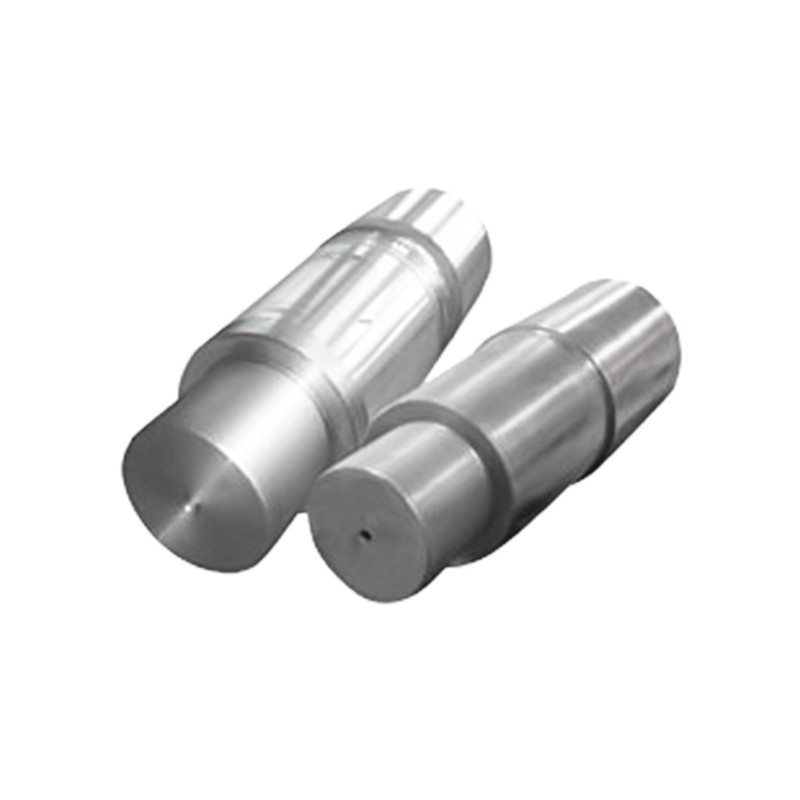
Propulsion Shafts and Couplings
The transmission of power from the engine to the propeller requires shafts that can handle immense torsional stress. Forged shafts are preferred because the forging process reduces the chance of internal defects that could cause a shaft to snap under full power. Using high-purity alloy steels ensures that these components remain dimensionally stable for over 100,000 operational hours. Furthermore, precisely forged couplings facilitate a rigid, vibration-free connection that protects the engine's main bearings.
Deck Machinery and Mooring Hardware
Mooring bollards, windlass gears, and towing hooks are subjected to sudden, massive shock loads. Forging provides the "toughness"—the ability to absorb energy without fracturing—that is necessary for these safety-critical parts. By implementing IATF-compliant quality controls, manufacturers can guarantee that these parts will not fail during emergency anchoring or high-tension towing operations.
- Forged steel shackles and links offer higher breaking strengths than equivalent cast versions.
- Superior surface finish reduces the accumulation of salt crystals, slowing down galvanic corrosion.
- Each component is traceable through material certification logs, ensuring accountability in maritime audits.
Inspection Protocols for High-Integrity Marine Forgings
To maintain the certification standards required for modern shipping, marine forgings must undergo a series of Non-Destructive Testing (NDT) procedures. These tests verify that the forging process has successfully eliminated any potential defects and that the part meets the design specifications of classification societies such as ABS, DNV, or Lloyd's Register. A proactive inspection regimen can identify microscopic wear patterns before they lead to an "out-of-service" event, which can cost ship owners tens of thousands of dollars per day in lost revenue.
Standard inspection practices include:
- Ultrasonic Testing (UT): Scanning the internal volume of the forging to ensure absolute material density and the absence of cracks.
- Magnetic Particle Inspection (MPI): Identifying surface or near-surface discontinuities that could serve as stress concentrators.
- Dimensional Metrology: Verifying that tolerances are maintained within ±0.05mm for critical bearing surfaces.
- Hardness Testing: Confirming the heat treatment process has achieved the correct balance of strength and ductility.
By sourcing IATF 16949-certified marine forgings, naval architects and shipbuilders ensure their vessels are built on a foundation of reliability and excellence. For inquiries regarding high-capacity marine hardware or specialized forged components, our engineering team is available via WhatsApp at +86-18857581297 or email at dinahyu@cnmingjie.com.
Message Us Right Now!
-
Mobile Terminal
-
Quick Links
Products About Us Equipment & Capacity Quality News Contact Us -
Product Category
Power‑Generation Forgings OEM Machined Forgings CUSTOMIZED MADE FORGING PARTS Ship and Port Machinery Forgings Mining and Metallurgy Forgings Food and Feed Machinery Forgings Welding Fabrication Petrochemical Industry Forgings -
Contact Us
Mob.: +86-173 7218 0878 Tel.: +86-515-8389 0396 E-mail: ivy.zhai@aceprocess.cn Add.: No.21 Jinfeng Road, Economic Development Park, Dafeng District, Yancheng City, Jiangsu, China
Copyright © 2025 Yancheng ACE Machinery Co., Ltd. All Rights Reserved.
China open die forgings manufacturer
custom precision forgings supplier
