

 English
 中文简体
中文简体

Industry News
Home / News / Industry News / Why High-Performance Oil & Gas Forgings are Critical for Deep-Sea and High-Pressure Extraction Safety
 Home / News / Industry News / Why High-Performance Oil & Gas Forgings are Critical for Deep-Sea and High-Pressure Extraction Safety
Industry News
Why High-Performance Oil & Gas Forgings are Critical for Deep-Sea and High-Pressure Extraction Safety
2026-02-16
Content
The Strategic Importance of Precision Forgings in Oil and Gas Infrastructure
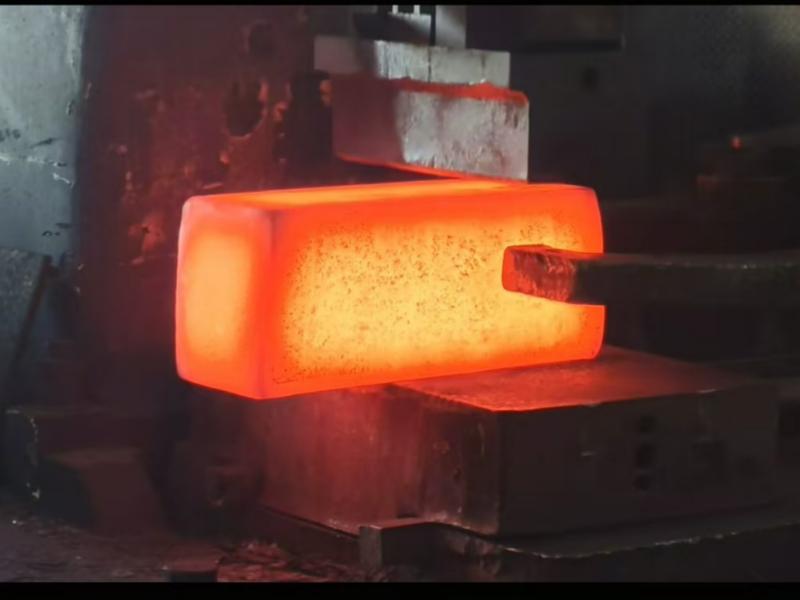
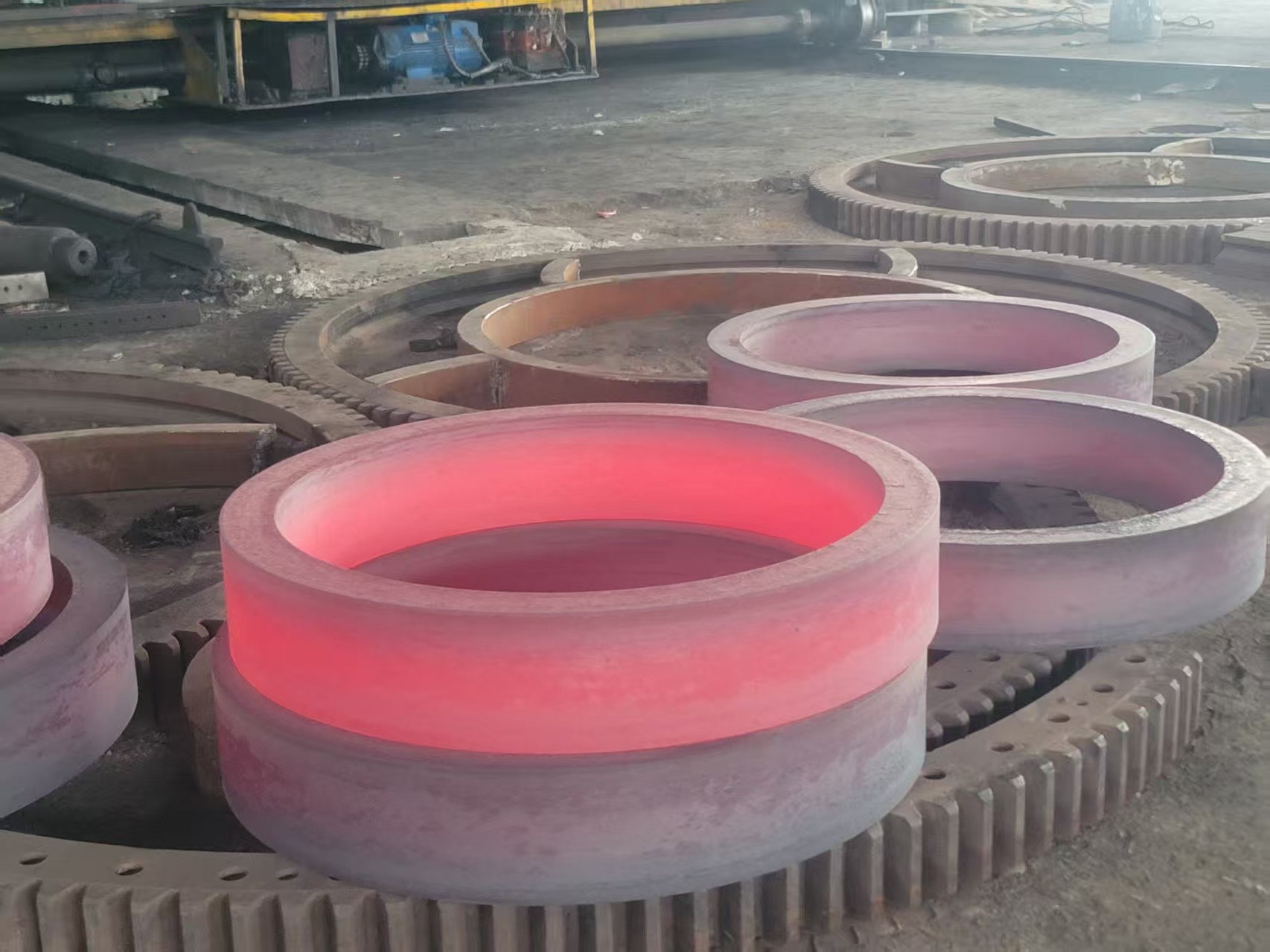
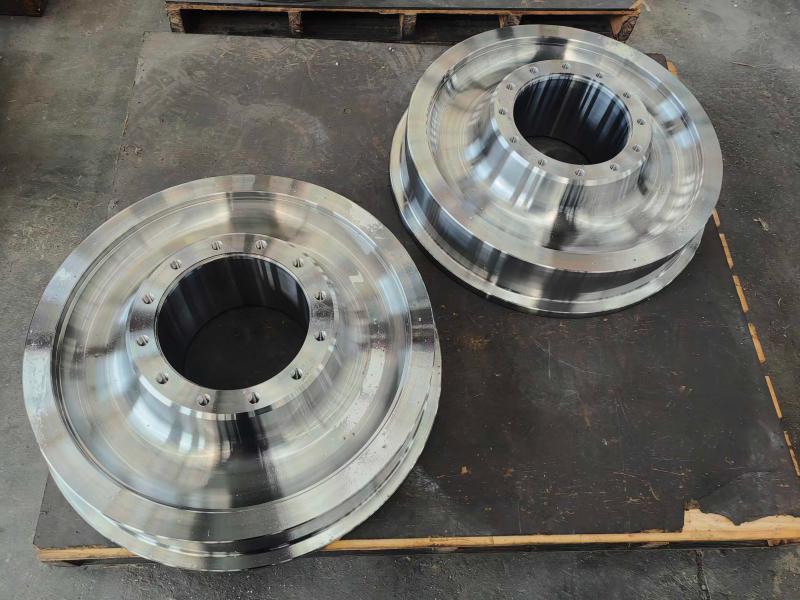
In the volatile environments of oil and gas exploration, equipment is subjected to corrosive salt spray, extreme hydrogen sulfide (H2S) exposure, and massive tectonic pressures. Oil and gas forgings serve as the primary containment and structural components for wellheads, Christmas trees, and blowout preventers (BOPs). Unlike cast alternatives, the forging process produces a refined grain flow that follows the contour of the part, providing unmatched fracture toughness and resistance to fatigue. This is a non-negotiable requirement for offshore drilling operations where a single component failure can lead to environmental catastrophe and billions in lost revenue.
Safety in this sector is governed by rigorous quality management systems. High-tier oil and gas forgings are manufactured in facilities adhering to the IATF 16949 quality management standard, ensuring that every valve body, flange, and manifold meets microscopic precision requirements. This commitment to zero-defect manufacturing is essential for parts that must operate at depths exceeding 3,000 meters, where the external hydrostatic pressure requires a material density that only forged alloys can reliably provide.
Material Performance: Forged Alloys vs. Standard Casting in High-Pressure Service
When selecting materials for subsea manifolds or refinery piping, engineers prioritize "Impact Energy" and "Yield Strength." Forging eliminates internal gas pockets and shrinkage porosity, ensuring that the metal remains structurally sound even under cyclic loading. Forged components in the oil and gas industry typically exhibit a 35% higher fatigue life compared to cast components of the same alloy grade.
| Mechanical Metric | Forged F22 / 4130 Alloy | Cast Equivalent |
|---|---|---|
| Internal Soundness | 100% Dense (No Voids) | Possible Micro-Porosity |
| Pressure Rating (PSI) | Up to 20,000+ | Typically < 10,000 |
| Corrosion Resistance | Superior (Uniform Grain) | Risk of Pitting at Voids |
| Traceability | Full Heat Number Logging | Batch-Level Tracking |
Essential Applications: From Wellheads to Midstream Transport
Wellhead Components and Christmas Trees
The wellhead is the first line of defense in pressure control. Forged valve bodies and tubing heads are designed to manage the flow of hydrocarbons at extreme temperatures. By utilizing specialized heat-treatment cycles, these forgings achieve the precise hardness levels required to resist "sour gas" corrosion (SSC). High-quality IATF-certified forgings ensure that metal-to-metal seals remain gas-tight even after decades of continuous service in harsh subsea conditions.
Heavy-Duty Drill String Connectors
Drilling deeper into the Earth's crust requires drill collars and tool joints that can withstand incredible torsional forces. Forged connectors provide the necessary ductility to bend slightly under stress without snapping. These components are often forged from high-nickel chromium alloys to prevent stress corrosion cracking in high-salinity drilling fluids, ensuring the integrity of the drill string remains intact at depths of several kilometers.
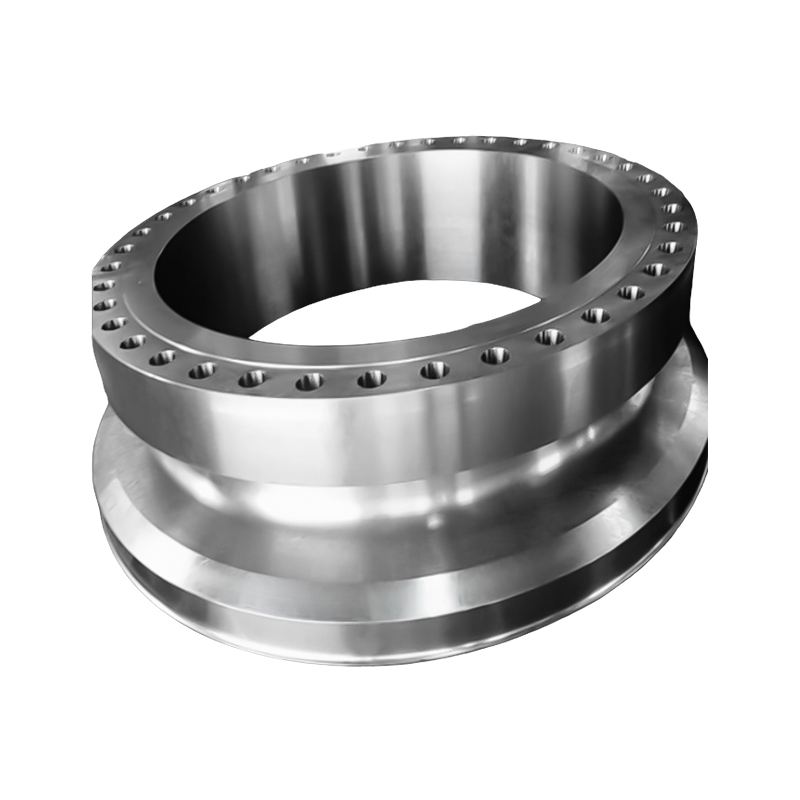
- Forged blind flanges and hubs offer higher safety margins for high-pressure pipelines.
- Swivel joints forged from premium alloys facilitate flexible fluid transfer in FPSO systems.
- Precision forging reduces the need for heavy machining, preserving the strength-enhanced surface layer of the metal.
Quality Assurance and Maintenance of Pressure-Containing Forgings
In the oil and gas industry, "good enough" is a dangerous mindset. Proactive maintenance and rigorous Non-Destructive Testing (NDT) are the only ways to ensure long-term operational safety. Because forged parts are inherently more predictable than cast parts, NDT results are easier to interpret, allowing technicians to spot microscopic flaws before they grow into cracks. Adhering to IATF 16949-aligned protocols guarantees that the components satisfy the auditing requirements of global giants like ExxonMobil, Shell, and BP.
Critical inspection and maintenance protocols include:
- Ultrasonic Testing (UT): Every forging must be scanned to verify 100% volumetric integrity.
- Positive Material Identification (PMI): Confirming the chemical composition to prevent the accidental use of incorrect alloy grades in corrosive environments.
- Hydrostatic Testing: Subjecting the final forged assembly to pressures 1.5 times the rated working pressure to ensure zero leakage.
- Magnetic Particle Inspection (MPI): Identifying surface discontinuities in high-stress thread areas.
By investing in IATF 16949-certified oil and gas forgings, energy companies protect their assets, their personnel, and the environment. For specialized project quotes or custom material specifications, please contact our engineering department via WhatsApp at +86-18857581297 or through email at dinahyu@cnmingjie.com.
Message Us Right Now!
-
Mobile Terminal
-
Quick Links
Products About Us Equipment & Capacity Quality News Contact Us -
Product Category
Power‑Generation Forgings OEM Machined Forgings CUSTOMIZED MADE FORGING PARTS Ship and Port Machinery Forgings Mining and Metallurgy Forgings Food and Feed Machinery Forgings Welding Fabrication Petrochemical Industry Forgings -
Contact Us
Mob.: +86-173 7218 0878 Tel.: +86-515-8389 0396 E-mail: ivy.zhai@aceprocess.cn Add.: No.21 Jinfeng Road, Economic Development Park, Dafeng District, Yancheng City, Jiangsu, China
Copyright © 2025 Yancheng ACE Machinery Co., Ltd. All Rights Reserved.
China open die forgings manufacturer
custom precision forgings supplier
