

 English
 中文简体
中文简体

Industry News
Home / News / Industry News / Why High-Precision Forgings are Essential for the Durability and Hygiene of Food and Feed Processing Machinery
 Home / News / Industry News / Why High-Precision Forgings are Essential for the Durability and Hygiene of Food and Feed Processing Machinery
Industry News
Why High-Precision Forgings are Essential for the Durability and Hygiene of Food and Feed Processing Machinery
2026-02-23
Content
The Critical Role of Forged Components in Food and Feed Production
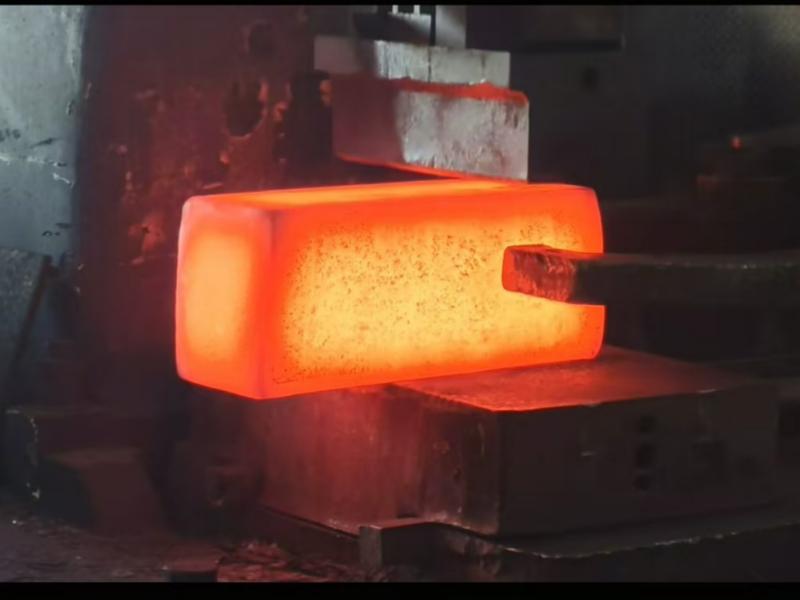
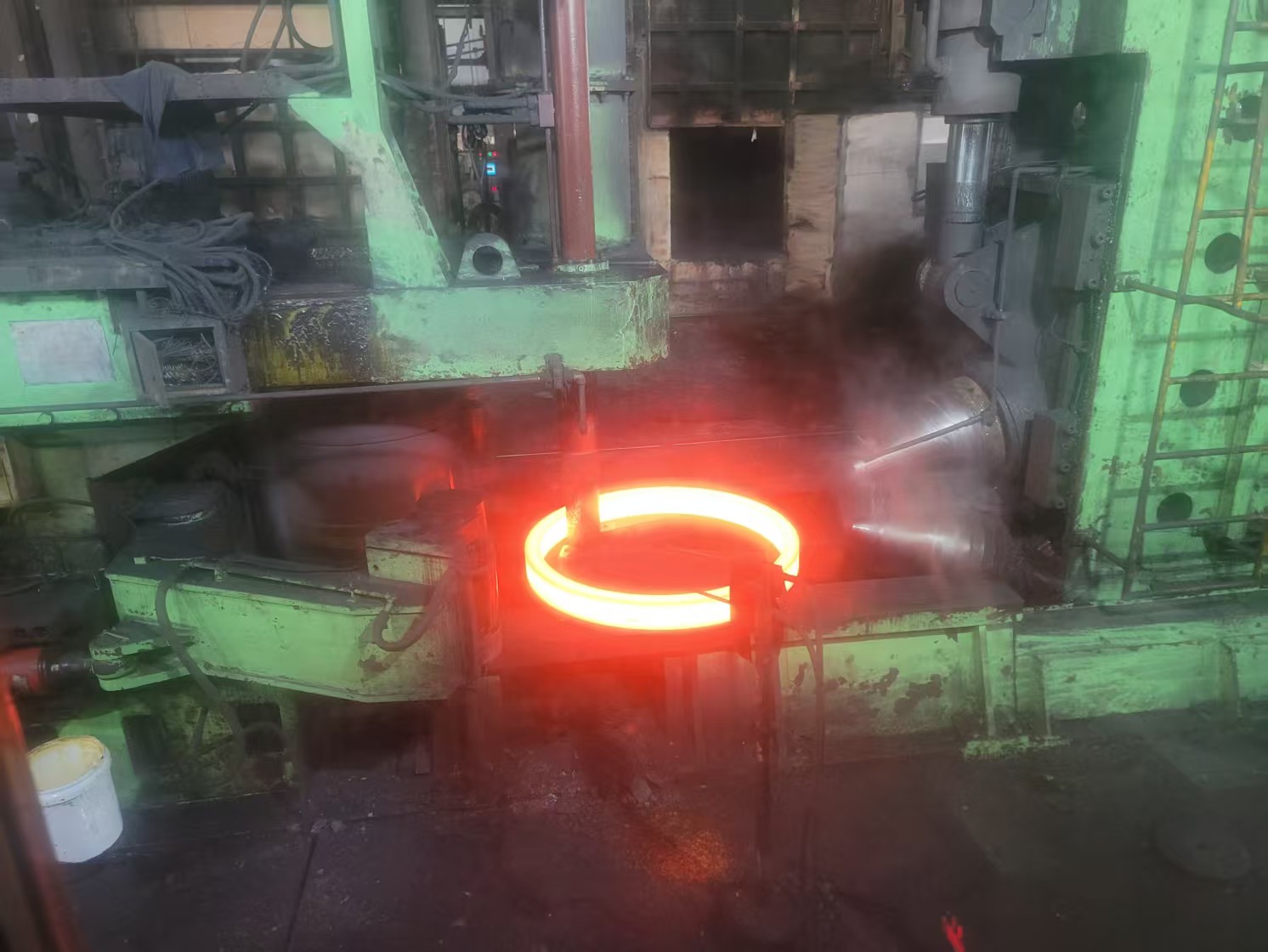
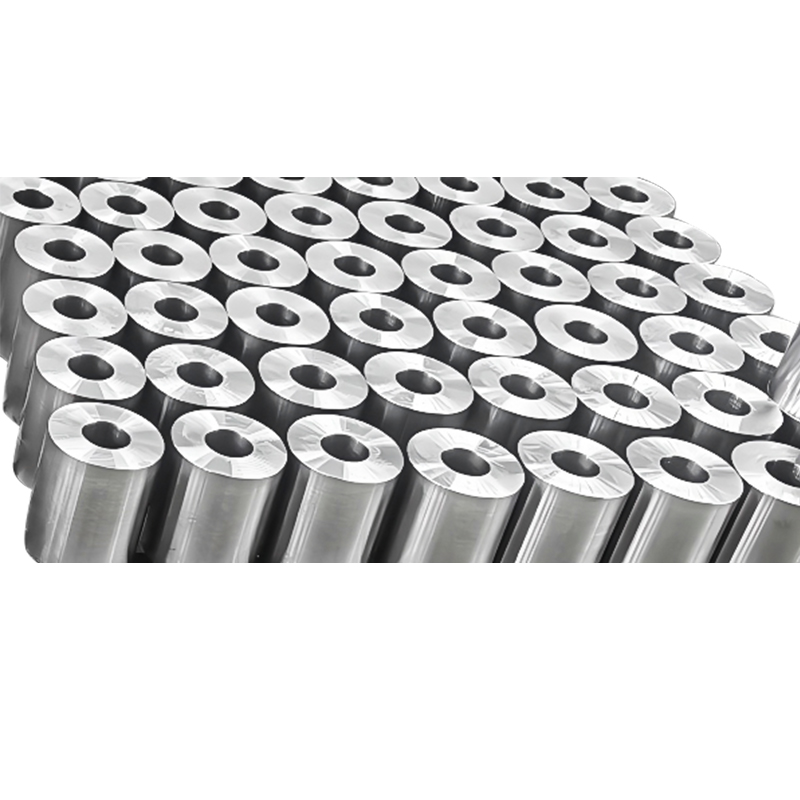
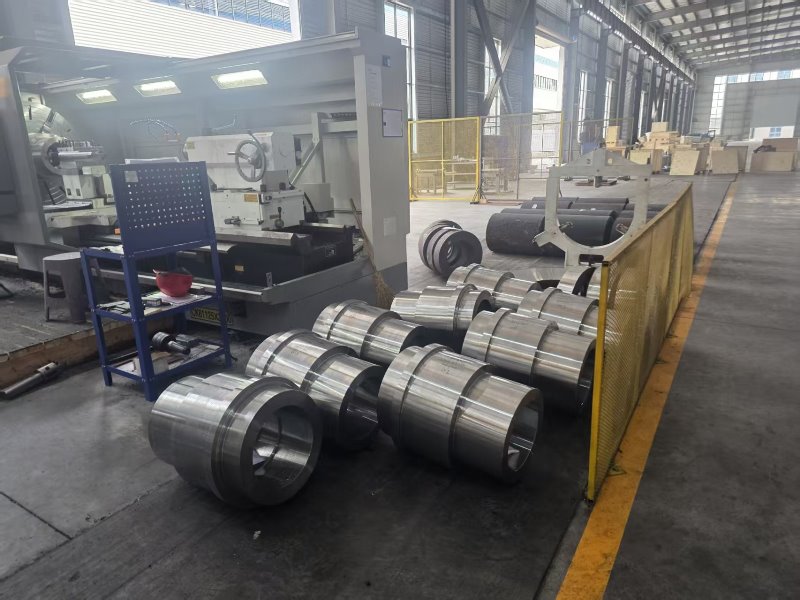
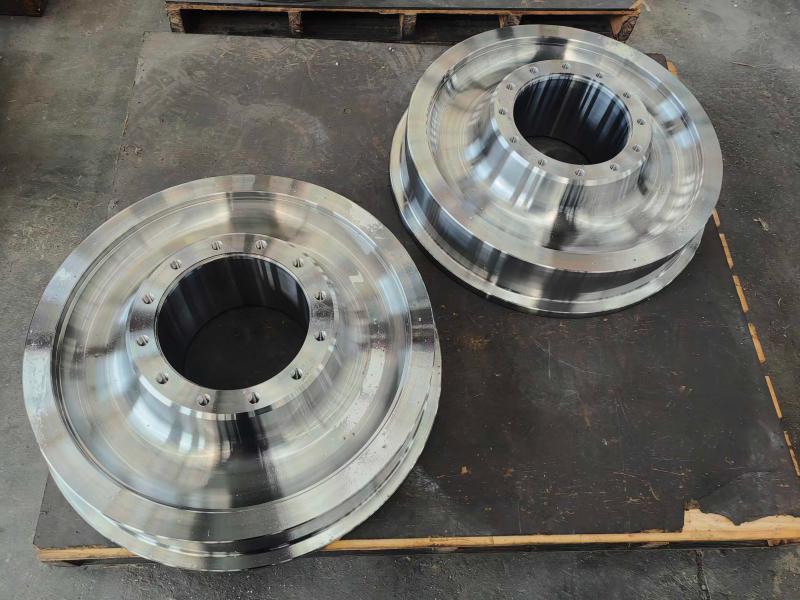
In the high-stakes industries of food processing and animal feed production, machinery must operate under grueling conditions, including extreme temperatures, high pressures, and constant exposure to corrosive cleaning agents. Food and feed machinery forgings serve as the structural backbone for equipment such as industrial mixers, pellet mills, and extrusion systems. Unlike cast parts, forged components offer a superior internal grain structure that eliminates porosity, providing maximum fatigue resistance and structural integrity. This is vital in preventing mechanical failures that can lead to costly downtime or, more importantly, contamination of the food supply chain.
Safety and hygiene standards in food production are dictated by stringent global regulations. Achieving peak performance requires manufacturing excellence, often validated by international frameworks. High-quality forgings are typically produced under the IATF 16949 quality management standard, ensuring that every gear, shaft, and flange meets precision tolerances and material purity. This level of certification ensures that components can withstand the rigorous "Clean-in-Place" (CIP) cycles where harsh chemicals and high-pressure steam are used to maintain sanitary environments.
Technical Comparison: Forging vs. Casting for High-Wear Machinery Parts
When designing components for feed pellet mills or food extruders, engineers must balance initial costs with the long-term "Total Cost of Ownership" (TCO). While casting is a viable method for complex shapes, the forging process provides a denser metal matrix that is significantly more resistant to the abrasive nature of grain, minerals, and bone meal used in feed production. Forgings can offer a service life that is 40% to 60% longer than cast equivalents in high-wear applications.
| Mechanical Feature | Forged Stainless Steel | Cast Stainless Steel |
|---|---|---|
| Surface Porosity | None (Bacteria Resistant) | High (Risk of Bio-pockets) |
| Impact Resistance | Superior (High Shock Loads) | Moderate (Brittle Risk) |
| Tensile Strength | High (Up to 800 MPa) | Standard (Approx. 500 MPa) |
| Machining Tolerance | Ultra-Precise (±0.02mm) | Variable (±0.25mm) |
Key Applications: From Feed Pelletization to Food Homogenization
Drive Shafts and Main Gears
In large-scale feed mills, the main drive shaft must transmit immense torque to the die and roller assembly. Forged shafts are engineered to handle these rotational stresses without warping or snapping. By utilizing heat-treated alloy steels, these components maintain their dimensional accuracy under continuous 24/7 operation, ensuring that the pelletizing process remains consistent in density and quality. Precise forging prevents "vibration creep," which can otherwise damage expensive motor bearings.
Stainless Steel Flanges and Valve Bodies
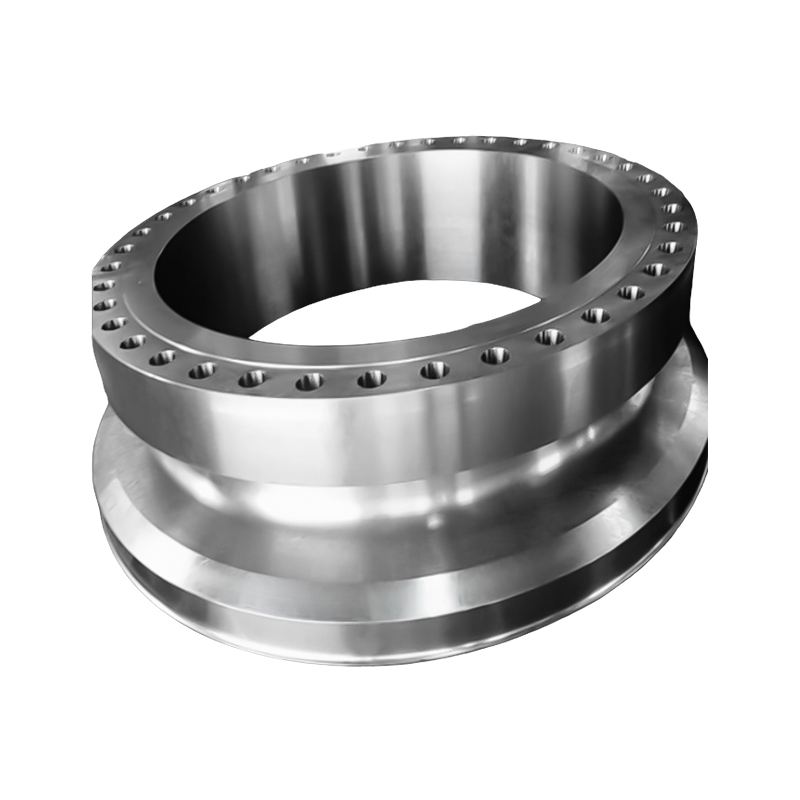
For food-grade liquid processing, such as dairy or beverage production, forged stainless steel (Grade 304 or 316L) is the gold standard. Forging ensures a non-porous surface that prevents bacteria from lodging in microscopic pits, which is a common failure point in cast valves. IATF-certified forgings undergo 100% material traceability, ensuring that the chemical composition of the steel is strictly controlled to prevent heavy metal leaching into food products.
- Forged mixer paddles provide higher resistance to stress-corrosion cracking in acidic environments.
- Precisely forged extruder screws maintain consistent compression ratios for uniform food texture.
- High-density forgings reduce the risk of "metal-to-food" contamination caused by component chipping or wear.
Maintenance and Quality Inspection Protocols
To maintain the IATF 16949-certified reliability of food machinery forgings, a proactive maintenance and inspection cycle is essential. Given the high-speed nature of modern processing lines, even a minor misalignment in a forged gear can lead to a domino effect of mechanical damage. Implementing a robust inspection regimen ensures that components continue to operate within certified safety limits and satisfy food safety audits (such as FSMA or GFSI).
Key maintenance steps for forged machinery parts include:
- Vibration Analysis: Use real-time sensors to monitor forged shafts for frequency shifts that indicate early-stage fatigue.
- Surface Profilometry: Regularly check the surface roughness (Ra) of forged food-contact parts to ensure they remain below 0.8μm for optimal hygiene.
- Dye Penetrant Inspection: Periodically scan high-stress areas for microscopic surface cracks that could harbor biological contaminants.
- Load Monitoring: Ensure that feed pellet mills are not operating beyond the rated torque capacity of the forged main gear.
By selecting IATF 16949-certified forgings, food and feed manufacturers can guarantee a production line that is not only efficient but also compliant with the highest global safety standards. For technical support on forged component design or custom manufacturing, our team is available via WhatsApp at +86-18857581297 or email at dinahyu@cnmingjie.com.
Message Us Right Now!
-
Mobile Terminal
-
Quick Links
Products About Us Equipment & Capacity Quality News Contact Us -
Product Category
Power‑Generation Forgings OEM Machined Forgings CUSTOMIZED MADE FORGING PARTS Ship and Port Machinery Forgings Mining and Metallurgy Forgings Food and Feed Machinery Forgings Welding Fabrication Petrochemical Industry Forgings -
Contact Us
Mob.: +86-173 7218 0878 Tel.: +86-515-8389 0396 E-mail: ivy.zhai@aceprocess.cn Add.: No.21 Jinfeng Road, Economic Development Park, Dafeng District, Yancheng City, Jiangsu, China
Copyright © 2025 Yancheng ACE Machinery Co., Ltd. All Rights Reserved.
China open die forgings manufacturer
custom precision forgings supplier
