

 English
 中文简体
中文简体

Industry News


Industry News
What Is Forging? Understanding the Basics of Forging and Forgings
2026-01-16
When discussing high-performance metal components used in heavy industry, energy production, shipbuilding, mining, and machinery, two manufacturing processes dominate the conversation: forging and casting. For businesses that rely on durable, load‑bearing, and long‑service‑life parts, understanding the difference between forging vs. casting directly impacts product reliability, operational safety, maintenance costs, and overall project success. This article provides a complete, industry‑focused comparison between forging and casting, with a special emphasis on forging, forgings, and specialized categories including one‑stop forging, electric power energy forgings, ship and port machinery forgings, mining and metallurgy forgings, food and feed machinery forgings, petrochemical industry forgings, welding fabrication, and non‑standard customized forgings.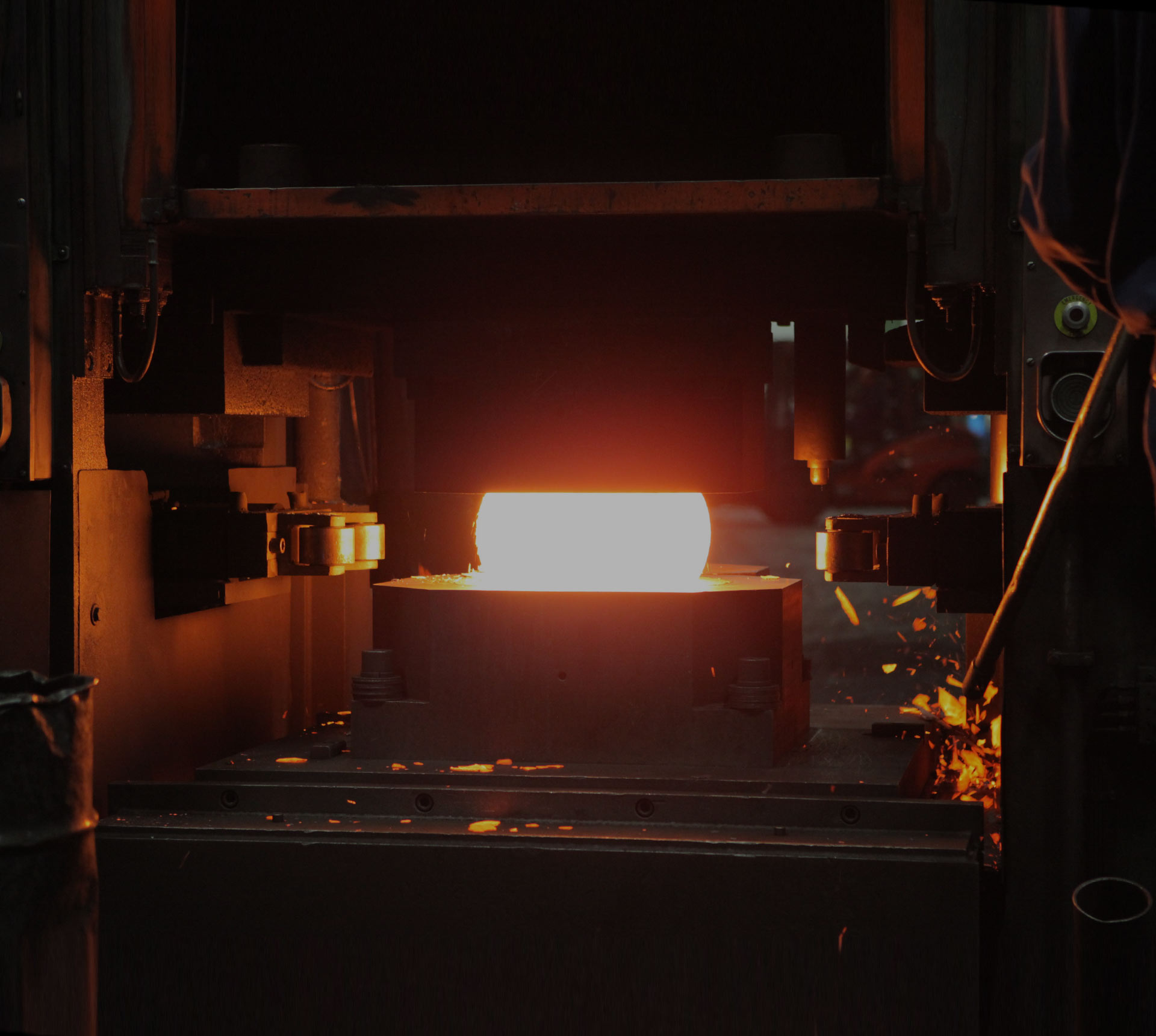
Forging is a manufacturing process in which metal is heated to a plastic state and shaped using compressive forces such as hammering, pressing, or rolling. Unlike other forming methods, forging does not melt or pour metal; it compresses and rearranges the internal grain structure to create components known as forgings. The result is a metal part with superior density, strength, fatigue resistance, and structural integrity. Forgings are widely recognized as the premium choice for critical applications where failure can lead to downtime, injury, or catastrophic system failure.
Today’s industrial landscape demands components that can withstand extreme pressure, high temperature, heavy load, corrosion, vibration, and continuous operation. This is why forging remains irreplaceable in sectors like electric power, shipbuilding, mining, petrochemical, food processing, and custom heavy machinery. Manufacturers that specialize in one‑stop forging solutions deliver end‑to‑end support from design and material selection to production, heat treatment, machining, welding fabrication, and final testing.
In contrast, casting involves melting metal and pouring it into a mold cavity where it cools and solidifies into the desired shape. While casting offers advantages in complexity and cost for certain non‑critical parts, it cannot match the mechanical properties and reliability of forgings. The purpose of this article is to clarify the real‑world differences between forging vs. casting, help engineers and buyers make informed decisions, and highlight the unique value of professional forging services across global heavy industries.
Content
- 1 How Forging Works: The Science Behind High‑Strength Forgings
- 2 What Is Casting? A Quick Overview of the Casting Process
- 3 Forging vs. Casting: Direct Comparison of Mechanical Properties
- 4 Why Forging Dominates Heavy Industry: Applications of Forgings
- 5 Advantages of One‑Stop Forging Solutions
- 6 When to Choose Forging vs. Casting: Practical Decision Guide
- 7 Frequently Asked Questions About Forging vs. Casting
- 7.1 Q1: Are forgings stronger than cast parts?
- 7.2 Q2: What industries rely most on forgings?
- 7.3 Q3: What is one‑stop forging?
- 7.4 Q4: Can you produce non‑standard customized forgings?
- 7.5 Q5: Why are electric power energy forgings so important?
- 7.6 Q6: Is welding fabrication available with forged components?
- 7.7 Q7: How long do forgings last compared to castings?
- 7.8 Q8: Can forging match the complexity of casting?
How Forging Works: The Science Behind High‑Strength Forgings
Material Preparation and Heating
The forging process begins with carefully selected raw materials, typically alloy steel, carbon steel, stainless steel, aluminum, titanium, or other high‑performance metals. These materials are chosen based on the mechanical requirements of the final component. The material is cut into proper billets and heated to a precise temperature to achieve optimal plasticity without damaging the internal structure.
Compressive Forming and Grain Structure Refinement
Once heated, the metal is placed into a forging press or hammer where extreme pressure reshapes it. This compressive force eliminates internal voids, porosity, and inclusions that naturally exist in raw metal. Most importantly, forging aligns the metal’s grain flow to follow the contour of the part. This continuous grain structure is the primary reason forgings exhibit exceptional tensile strength, toughness, and resistance to impact and fatigue.
Heat Treatment, Machining, and Finishing
After forming, forgings undergo heat treatment including quenching, tempering, normalizing, or annealing to further enhance hardness, strength, and stability. Many industrial forgings require precision machining, drilling, tapping, and assembly. Companies offering one‑stop forging integrate these processes to reduce lead times, improve consistency, and lower overall production costs. Welding fabrication may also be included for complex assemblies that combine multiple forged components.
Testing and Quality Assurance
High‑demand sectors such as electric power energy forgings and ship and port machinery forgings require strict quality control. Ultrasonic testing, magnetic particle inspection, hardness testing, chemical analysis, and mechanical testing ensure every forging meets international standards. This level of reliability is not always practical or cost‑effective in casting production.
What Is Casting? A Quick Overview of the Casting Process
Casting is one of the oldest metal forming processes. It involves melting metal into liquid, pouring it into a prefabricated mold, allowing it to cool and solidify, then removing the mold to reveal the finished part. Casting excels at producing complex, hollow, or intricately shaped components that would be difficult or expensive to machine or forge. Common casting methods include sand casting, die casting, investment casting, and permanent mold casting.
Casting is widely used in automotive, consumer goods, decorative parts, and non‑load‑bearing structural components. However, because the metal solidifies freely from liquid to solid, it tends to develop internal porosity, shrinkage cavities, and random grain structure. These characteristics reduce overall strength, fatigue life, and reliability under heavy stress or extreme conditions.
For applications where safety and durability are critical, casting is often replaced by forging or upgraded to high‑integrity forgings. Understanding where each process fits is essential for cost control and performance assurance.
Forging vs. Casting: Direct Comparison of Mechanical Properties
The most significant difference between forging vs. casting lies in mechanical performance. Below is a detailed comparison based on industrial material testing data:
| Property | Forging | Casting |
|---|---|---|
| Tensile Strength | 20–30% higher | Lower, inconsistent |
| Fatigue Resistance | Excellent | Poor to moderate |
| Impact Toughness | Superior | Limited |
| Internal Defects | Almost eliminated | Common porosity |
| Structure Uniformity | Highly uniform | Variable |
Data from multiple industrial material laboratories confirms that forgings consistently outperform cast parts in real‑world operating conditions. Components under dynamic load, cyclic stress, or high shock must be forged to ensure long‑term reliability.
Why Forging Dominates Heavy Industry: Applications of Forgings
Electric Power Energy Forgings
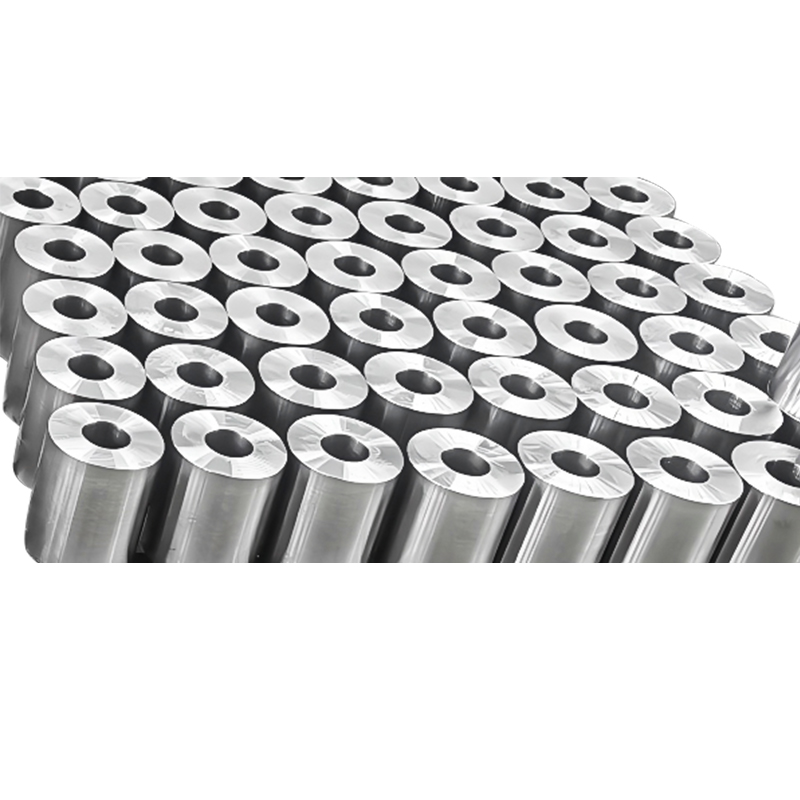
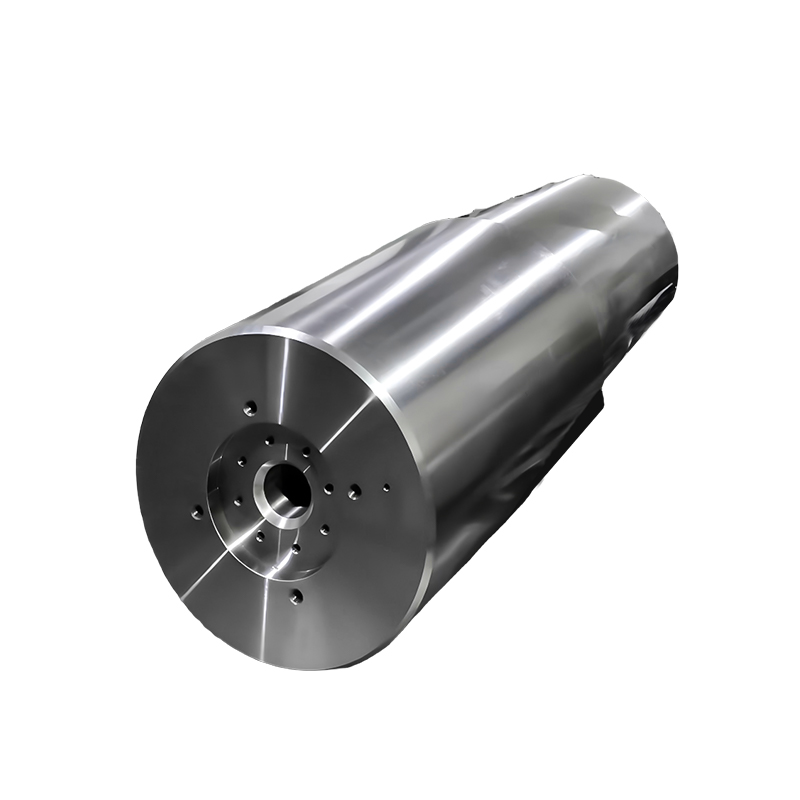
Electric power energy forgings are among the most technically demanding products in the forging industry. They include turbine shafts, generator rotors, valve bodies, flanges, pressure parts, and hardware for thermal power, hydropower, wind power, and nuclear power systems. These components operate under extreme pressure, temperature, and rotational force. Any failure can result in power outages, equipment destruction, or safety hazards. For this reason, forging is the only acceptable manufacturing method.
Ship And Port Machinery Forgings
Marine and port equipment must resist corrosion, saltwater exposure, heavy impact, and continuous vibration. Ship and port machinery forgings include rudder parts, propeller shafts, engine components, crane hooks, brackets, coupling parts, and structural connectors. The marine industry enforces strict classification society standards, and only high‑quality forgings can pass certification.
Mining And Metallurgy Forgings
Mining and metallurgy machinery operates 24/7 in abrasive, high‑dust, heavy‑load environments. Mining and metallurgy forgings include crusher parts, hammer heads, gear shafts, connecting rods, mill liners, and conveyor components. These parts experience extreme wear and shock. Cast parts would fail within weeks, while properly manufactured forgings can operate for years.
Food And Feed Machinery Forgings
Hygiene, durability, and corrosion resistance are critical in food processing. Food and feed machinery forgings include extruder screws, mixer shafts, cutter hubs, pressure housings, and drive components. Stainless steel forgings ensure compliance with food safety standards while maintaining mechanical strength under continuous operation.
Petrochemical Industry Forgings
The petrochemical industry involves high pressure, flammable materials, and corrosive fluids. Petrochemical industry forgings include valve bodies, pump parts, pressure vessels, flanges, and pipeline components. Leakage or failure can lead to explosions, fires, or environmental disasters. For this reason, forging is mandatory in global petrochemical standards.
Non‑Standard Customized Forgings
Many industrial projects require unique, non‑standard components. Non‑standard customized forgings provide tailored solutions for specialized machinery, replacement parts, and innovative engineering designs. Professional forging manufacturers support custom drawings, materials, and performance requirements.
Advantages of One‑Stop Forging Solutions
Modern industrial buyers increasingly prefer one‑stop forging services because they simplify supply chains, improve quality consistency, and reduce costs. A true one‑stop forging provider offers:
- Custom engineering and design support
- Material selection and certification
- Hot forging, warm forging, or cold forging production
- Complete heat treatment processes
- Precision CNC machining and turning
- Welding fabrication and assembly
- Non‑destructive testing and quality inspection
- Packaging, logistics, and after‑sales support
By consolidating all processes under one manufacturer, clients avoid communication gaps, delivery delays, and quality inconsistencies caused by multiple subcontractors. For high‑volume orders and critical projects, one‑stop forging is the most efficient and reliable solution.
When to Choose Forging vs. Casting: Practical Decision Guide
Choosing between forging vs. casting depends on load conditions, safety requirements, environment, lifespan, budget, and production volume. Use the following guide for real‑world decision making:
Choose Forging When:
- The part bears high load, shock, or cyclic stress
- Safety and reliability are top priorities
- The component operates in extreme temperatures or pressure
- Long service life and low maintenance are required
- The industry demands forgings such as energy, shipbuilding, mining
Choose Casting When:
- The part has very complex internal or external geometry
- The component is non‑load‑bearing or low‑stress
- Production cost must be minimized for low‑performance parts
- Short lead time for simple, non‑critical components
Frequently Asked Questions About Forging vs. Casting
Q1: Are forgings stronger than cast parts?
A: Yes. Forgings have a refined, continuous grain structure and almost no internal porosity. Tests show forgings provide 20–30% higher tensile strength and significantly better fatigue and impact resistance than castings.
Q2: What industries rely most on forgings?
A: Major industries include electric power, ship and port machinery, mining and metallurgy, food and feed machinery, petrochemical, aerospace, automotive, and heavy machinery. All rely on forging for critical components.
Q3: What is one‑stop forging?
A: One‑stop forging is a full‑service solution covering design, material, forging, heat treatment, machining, welding fabrication, testing, and delivery. It simplifies procurement and ensures quality consistency.
Q4: Can you produce non‑standard customized forgings?
A: Yes. Professional forging manufacturers regularly produce non‑standard customized forgings based on customer drawings, specifications, and performance requirements.
Q5: Why are electric power energy forgings so important?
A: Electric power energy forgings operate in high‑temperature, high‑pressure, and high‑speed environments. Their reliability directly affects power plant safety, efficiency, and continuous operation.
Q6: Is welding fabrication available with forged components?
A: Yes. Many forged assemblies require welding fabrication. One‑stop forging providers often include welding, machining, and assembly in their services.
Q7: How long do forgings last compared to castings?
A: In heavy industrial applications, properly manufactured forgings typically last 3–10 times longer than cast parts, reducing replacement and downtime costs.
Q8: Can forging match the complexity of casting?
A: Modern forging technology including precision dies, CNC machining, and near‑net‑shape forging allows highly complex shapes. For critical parts, the performance benefit of forging far outweighs slight complexity tradeoffs.
Message Us Right Now!
-
Mobile Terminal
-
Quick Links
Products About Us Equipment & Capacity Quality News Contact Us -
Product Category
Power‑Generation Forgings OEM Machined Forgings CUSTOMIZED MADE FORGING PARTS Ship and Port Machinery Forgings Mining and Metallurgy Forgings Food and Feed Machinery Forgings Welding Fabrication Petrochemical Industry Forgings -
Contact Us
Mob.: +86-173 7218 0878 Tel.: +86-515-8389 0396 E-mail: ivy.zhai@aceprocess.cn Add.: No.21 Jinfeng Road, Economic Development Park, Dafeng District, Yancheng City, Jiangsu, China
Copyright © 2025 Yancheng ACE Machinery Co., Ltd. All Rights Reserved.
China open die forgings manufacturer
custom precision forgings supplier
