

 English
 中文简体
中文简体



Marine Shaft Forgings Supplier
Applications
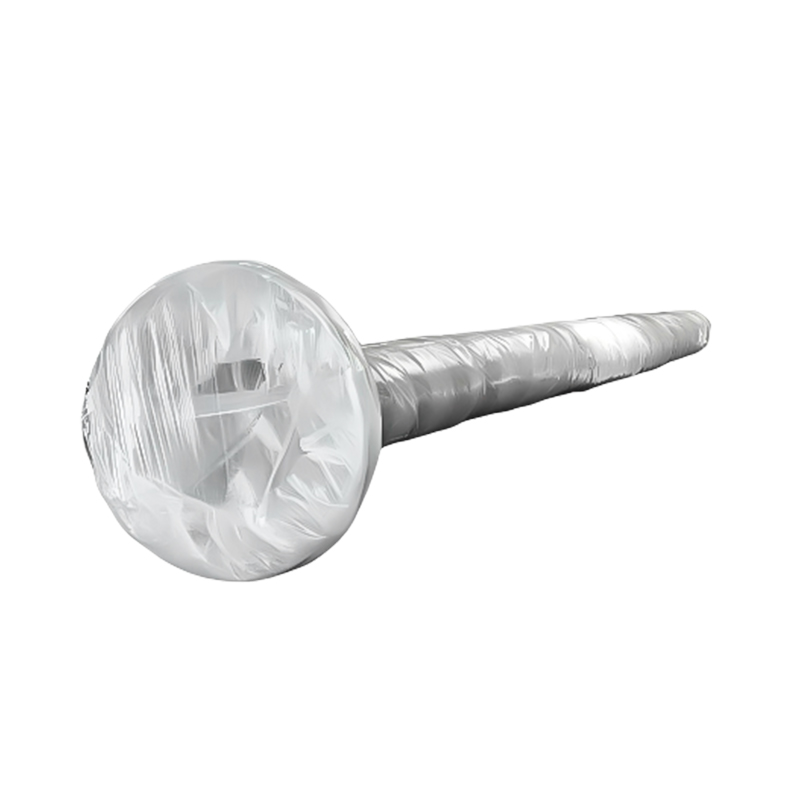
They are applied to forgings for shafting, rudder systems, gearboxes, cranes, and other components, as well as marine bolts. These products are used in marine navigation and port loading/unloading equipment.
Manufacturing Process
Produced using special alloy steel materials, precision die forging, free forging, and other forming processes. Advanced heat treatment is applied to adjust performance, with strict flaw detection and inspection measures implemented.
Services
The service scope covers maintenance and technical upgrading.
Advantages
They possess high strength, high toughness, and excellent corrosion resistance. With high product precision and strong reliability, they can adapt to complex marine environments, ensure the reliable operation of marine and port machinery, and provide solid support for shipping and port operations.
About Us
ACE Group is a comprehensive enterprise group focused on the heavy industrial manufacturing sector, serving as a China Marine Shaft Forgings Supplier and Marine Shaft Forgings Company. Its business spans forging, heat treatment, precision machining, welded structures, and heavy-duty power & free chain spraying production. This integrated layout covers the core production processes of the industrial machinery industry, combining technological strength with large-scale production capabilities.
Core Subsidiaries Details:
Jiangsu ACE Energy Technology Co., Ltd.: The group's core production base, officially commencing operations in November 2025. It occupies 55 acres with a total floor area exceeding 50,018 square meters. The factory is equipped with 3-ton, 5-ton, and 15-ton electro-hydraulic hammers; 1-meter and 1.5-meter vertical ring rolling machines; energy-efficient natural gas heating furnaces; heat treatment resistance furnaces; quenching tanks; induction hardening equipment; machining centers; and other production equipment.
Yancheng ACE Machinery Co., Ltd.: Established in 2019, it occupies 20 acres with a floor area of 13,333 square meters. It possesses an integrated welding-straightening structural steel production line and a precision machining workshop.
Yancheng ACE Surface Treatment Technology Co., Ltd.: Operates a heavy-duty power & free chain large-scale powder coating production line. Focusing on professional surface treatment technology, One-time coating thickness achieves 400μm, providing reliable anti-corrosion and weather-resistant protective performance and appearance optimization solutions, enhancing the group's full life-cycle product services.
ACE Group is supported by a management team of young key members who are experienced in materials, heat treatment, machining, and surface treatment industries. They are well-versed in international and domestic standards, pioneering, and committed to innovation. The subsidiary ACE Machinery has passed TÜV Rheinland ISO 9001 Quality Management System certification, as well as ISO 14001, 45001, and 50001 system certifications. It is recognised as a Specialised, Refined, Unique, and Innovative Enterprise, a National High-Tech Enterprise, and holds a 3A-level enterprise credit rating.
Relying on integrated MES and ERP management systems, the integration of informatisation and industrialisation, data cloud storage, and aiming to build a modern, energy-efficient enterprise, the group maintains a comprehensive inspection system. It possesses inspection tools, non-destructive testing equipment, and qualified personnel, implementing strict controls from material internal quality to appearance and dimensions. All outgoing products undergo 100% inspection, adhering to the business philosophy of pursuing 100% qualified outgoing products and zero customer complaints. A CNAS-standard laboratory will be established to provide scientific testing support for quality control during production and technological R&D, thereby enhancing product quality and technological innovation.
In the future, ACE Group will continue to leverage the technical advantages and industrial synergies of its subsidiaries. Through standardised production, specialised technology, integrated services, and a stringent quality control system, it is committed to providing efficient and reliable industrial manufacturing solutions for global clients, steadily advancing towards becoming a leading comprehensive manufacturing service provider in the industry.
Certificate
-
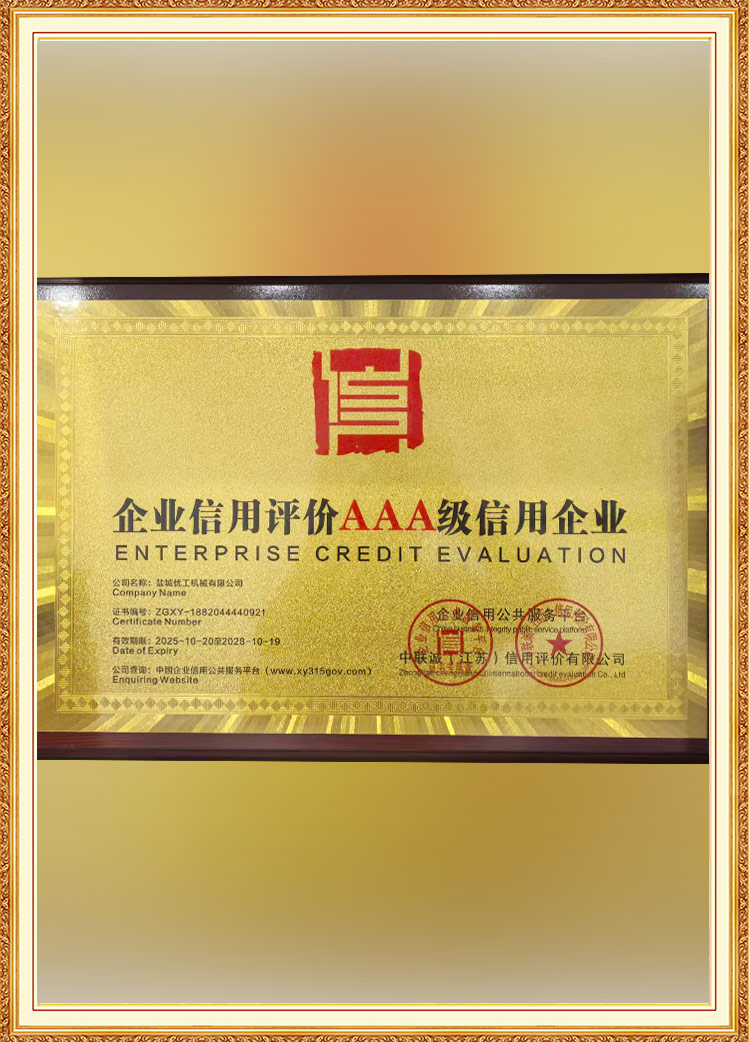 Enterprise Credit Evaluation AAA
 -
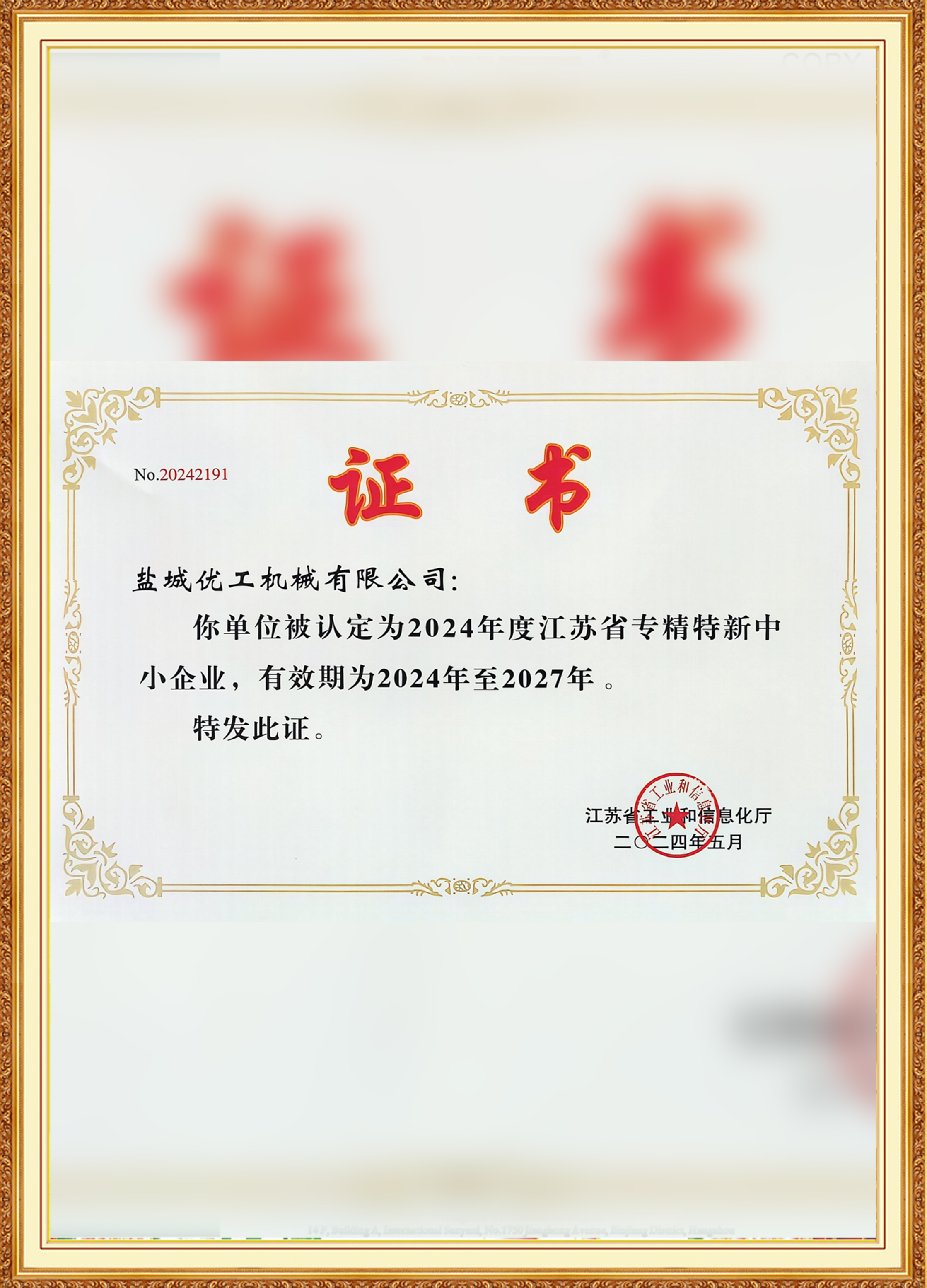 2024 Specialized, Refined, Distinctive, and Innovative Enterprise Certificate
 -
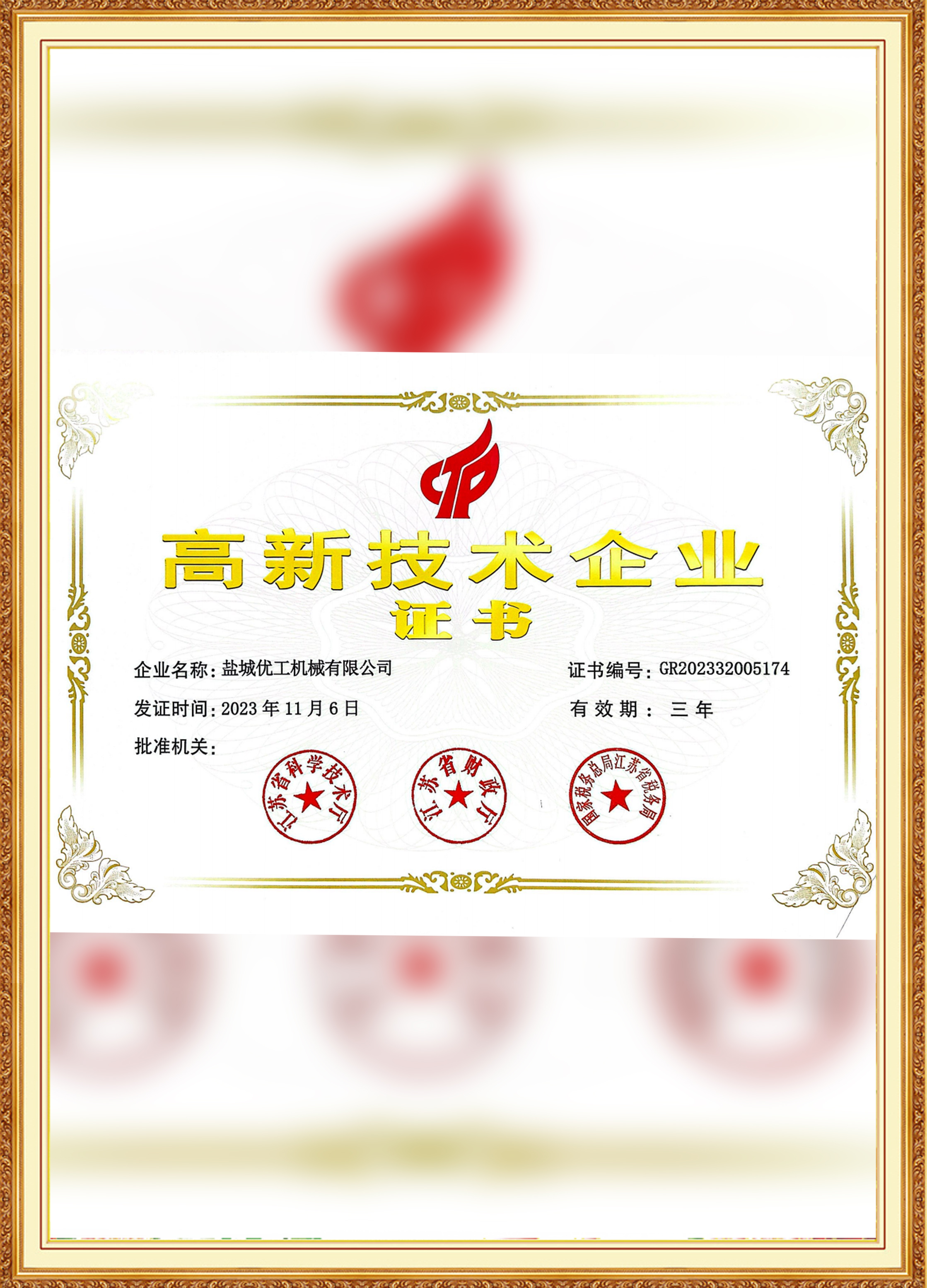 2023 High-Tech Enterprise Certificate
 -
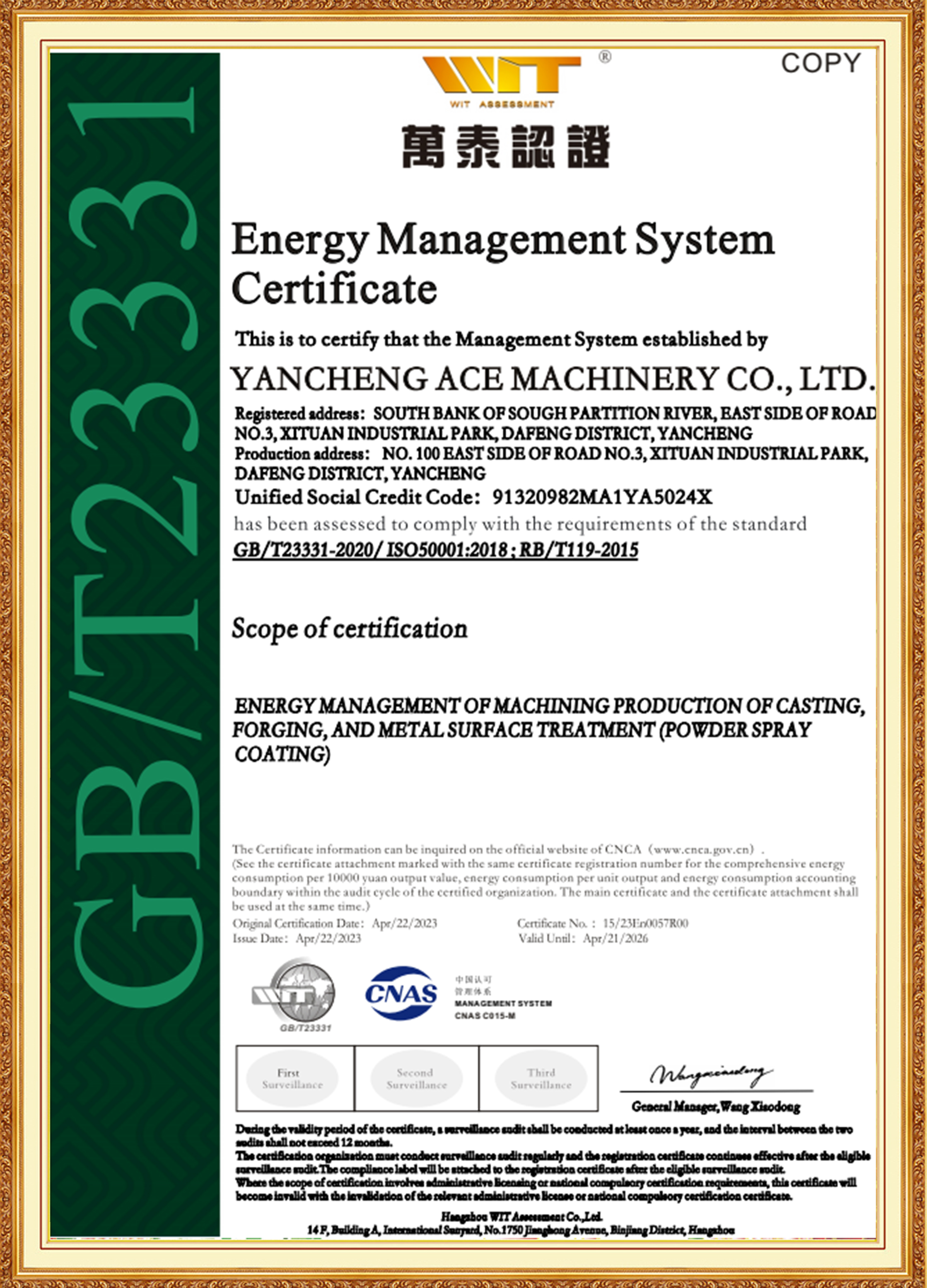 ISO50001 Energy Management System
 -
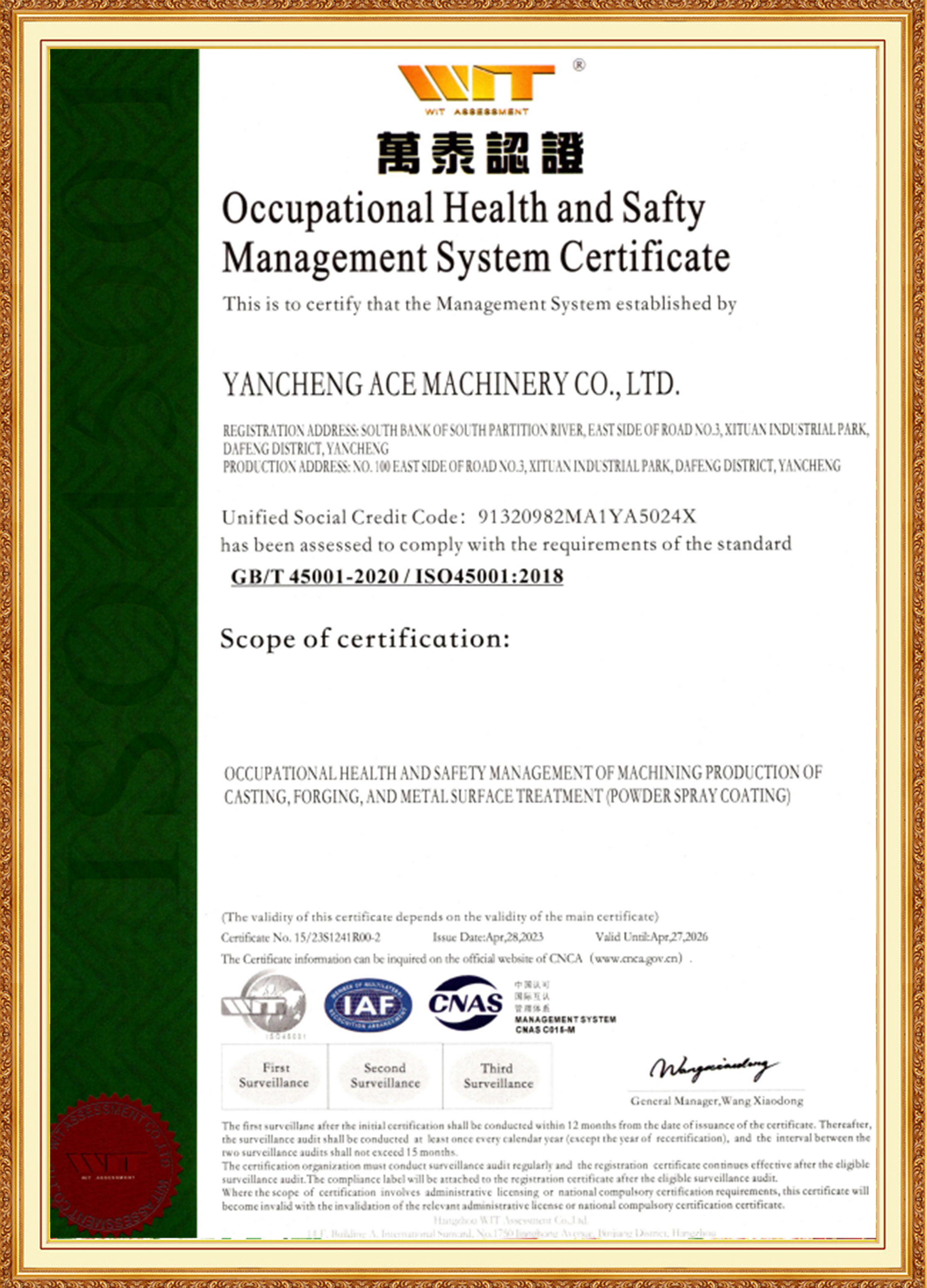 ISO 45001 Occupational Health and Safety Management System
 -
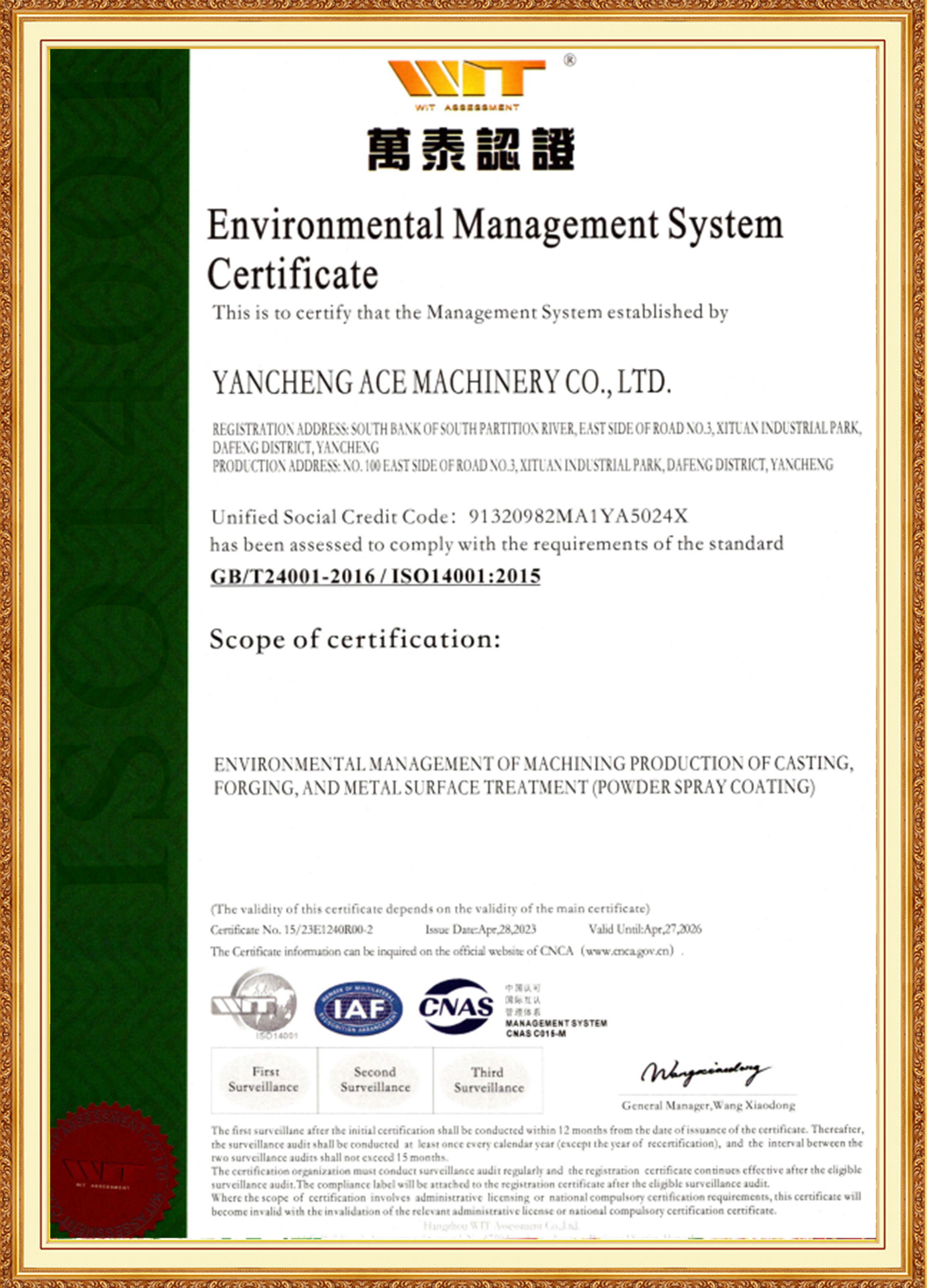 ISO 14001 Environmental Management System
 -
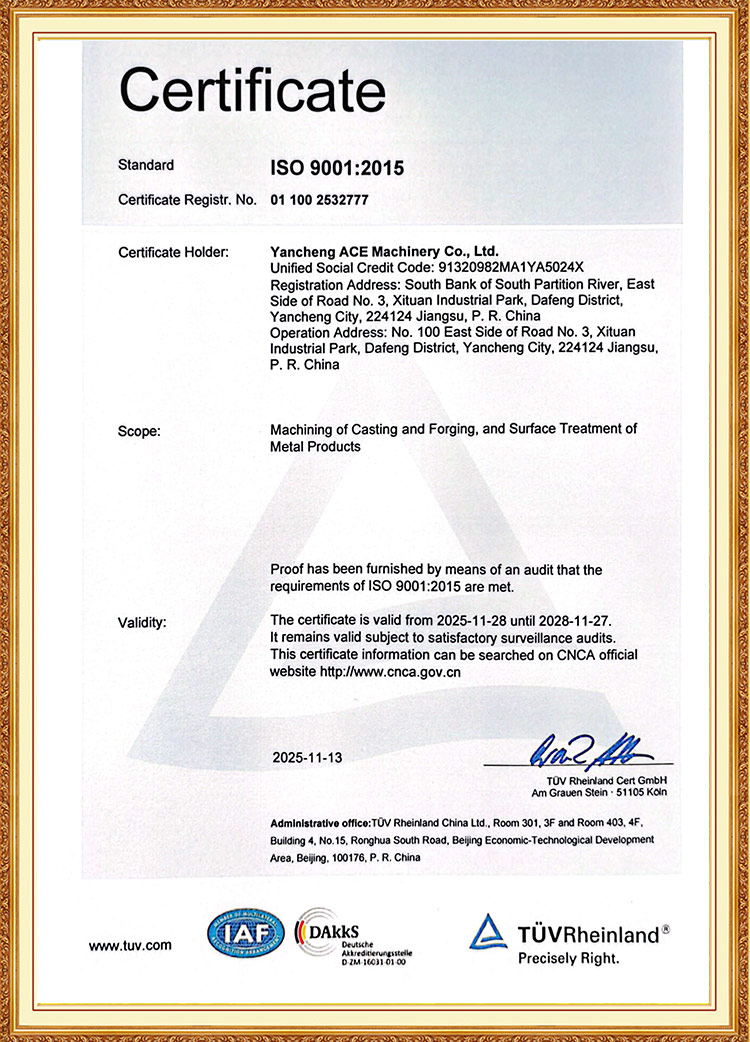 ISO 9001 Quality Management System
News
-
Industry News 2026-03-01
The Indispensable Role of Oil and Gas Forgings in Modern Energy Infrastructure In the complex and high-stakes world of energy extraction, the reliability of infrastructure is paramount. The sector relies heavily on components that can withstand unimaginable forces, from the crushing pressures found in deepwater reserv...
View More -
Industry News 2026-02-23
The Critical Role of Forged Components in Food and Feed Production In the high-stakes industries of food processing and animal feed production, machinery must operate under grueling conditions, including extreme temperatures, high pressures, and constant exposure to corrosive cleaning agents. Food and feed machinery f...
View More -
Industry News 2026-02-16
The Strategic Importance of Precision Forgings in Oil and Gas Infrastructure In the volatile environments of oil and gas exploration, equipment is subjected to corrosive salt spray, extreme hydrogen sulfide (H2S) exposure, and massive tectonic pressures. Oil and gas forgings serve as the primary containment and struct...
View More
Related products
-
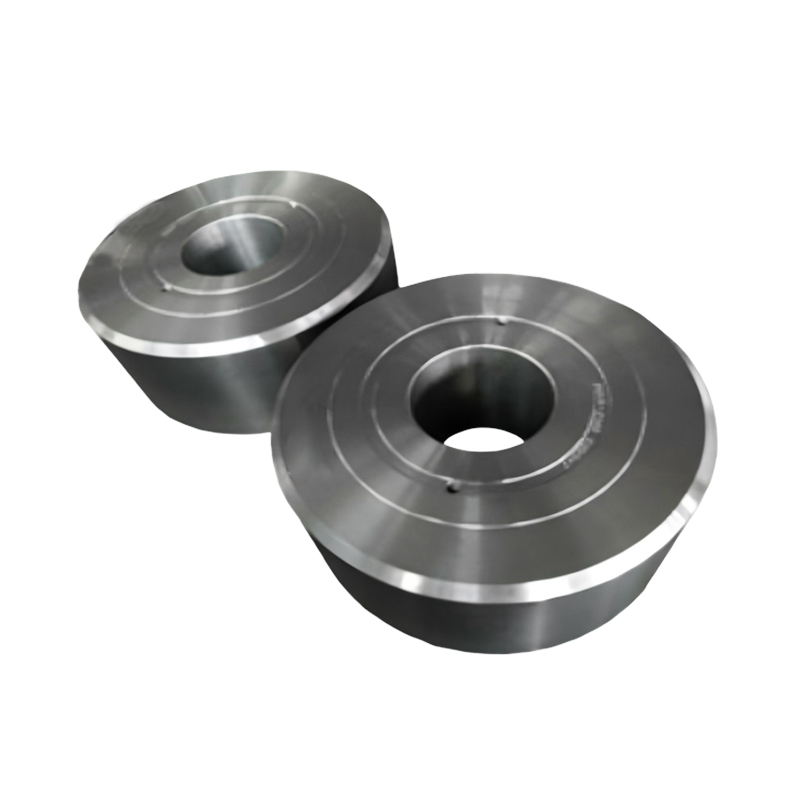
Wind Turbine 5MW-10MW 1st/2nd/3rd Stage Planet Gear Forgings
-
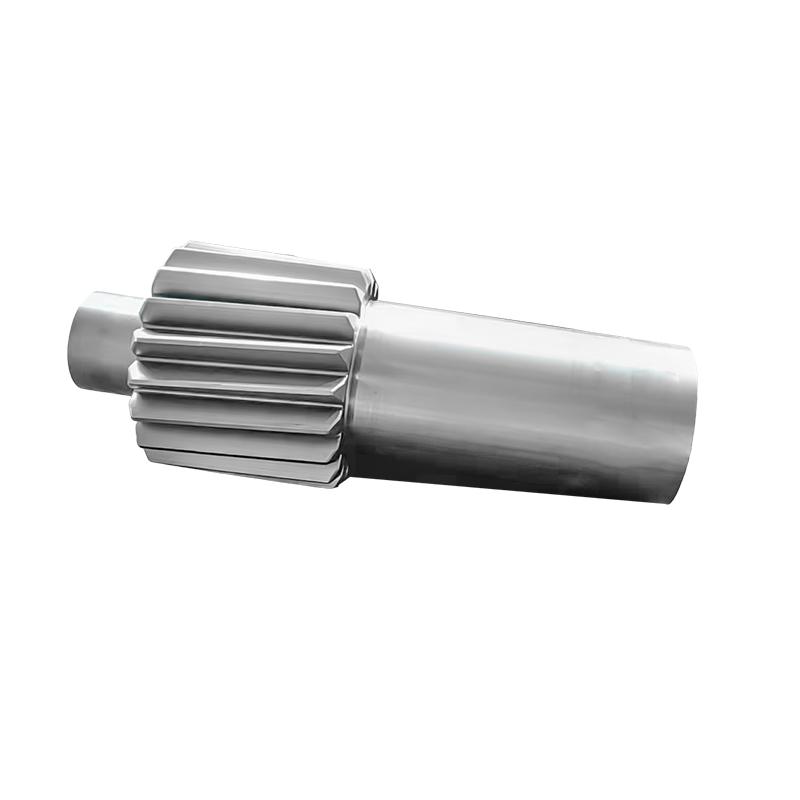
Wind Turbine 5MW-10MW 1st/2nd/3rd Stage Sun Gear Forgings
-
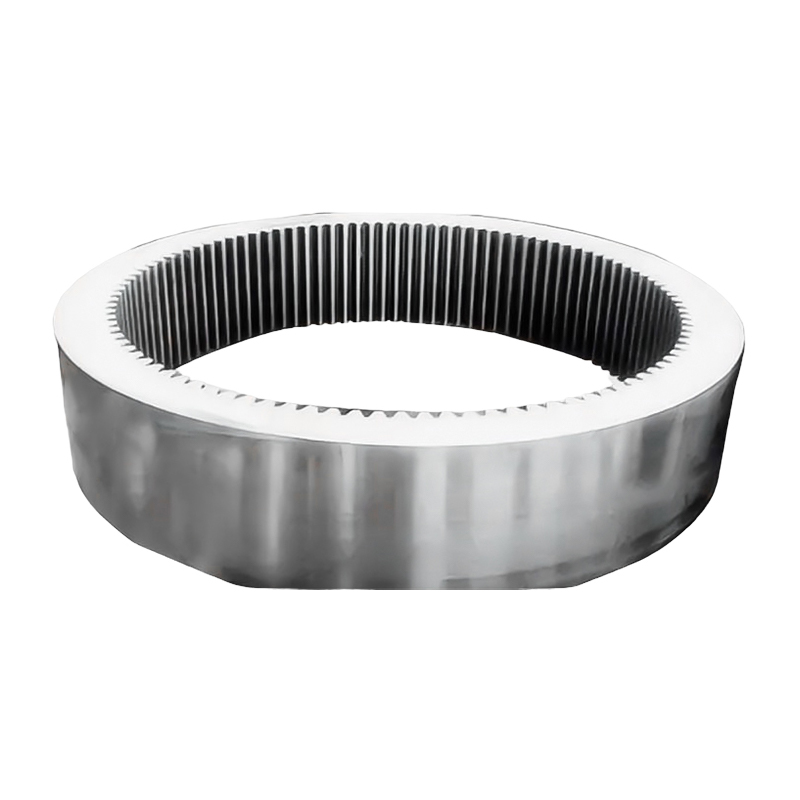
Wind Turbine 5MW-10MW 1st/2nd Stage Ring Gear Forgings
-
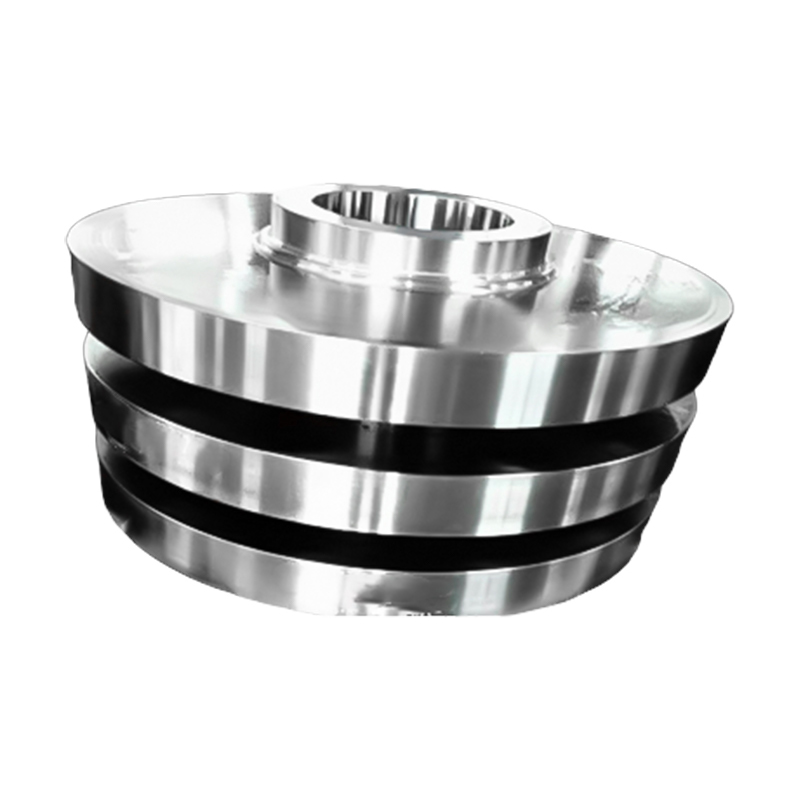
Wind Turbine 3MW-10MW Planet Carrier Forgings
-
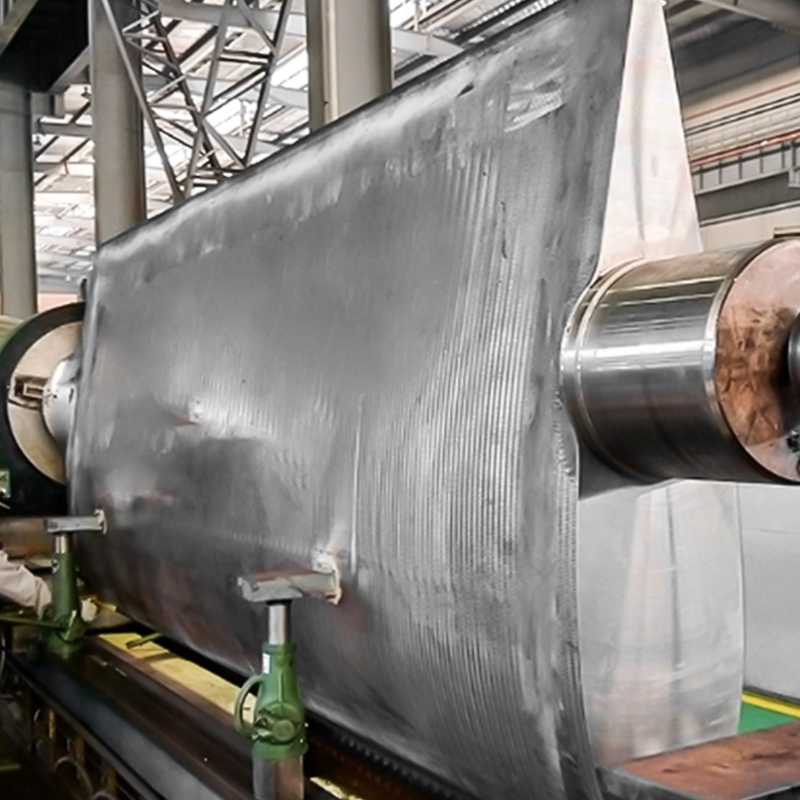
Guide Vane Forgings
-
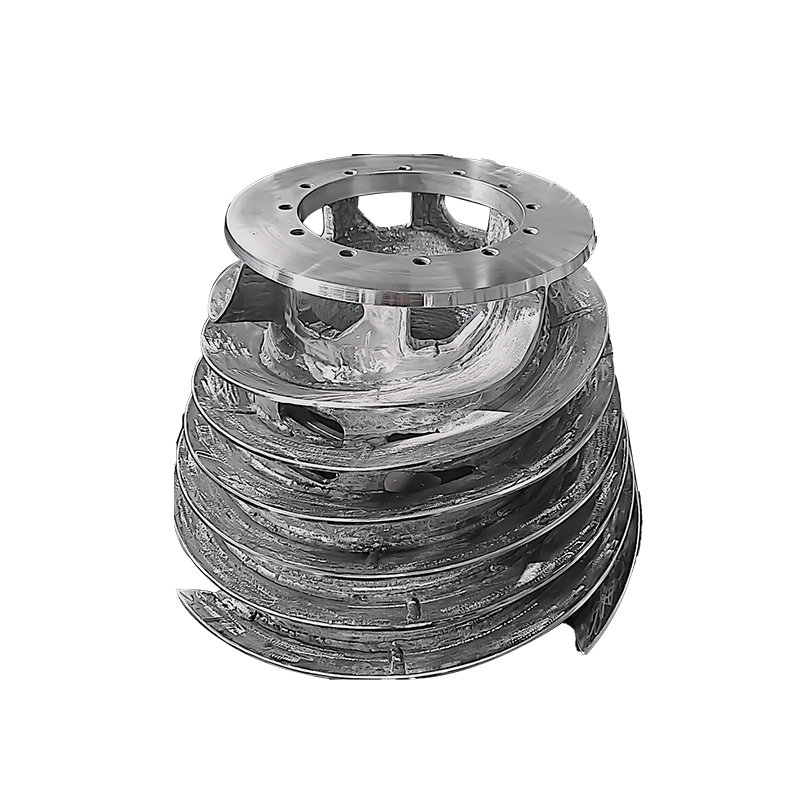
Hydraulic Turbine Guide Vane Forgings
-
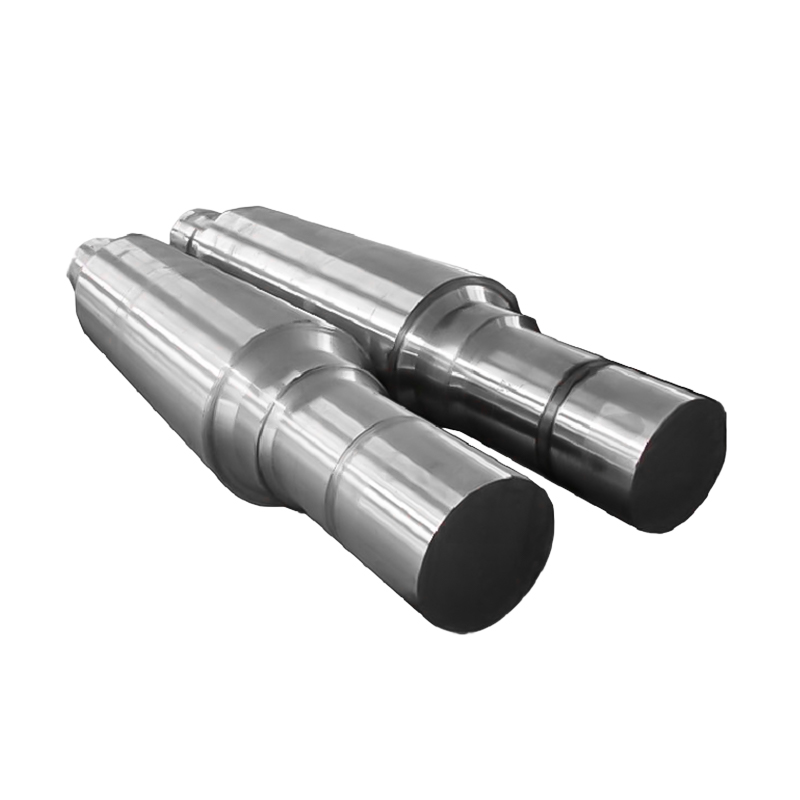
Hydroelectric Generator Shaft Forgings
-
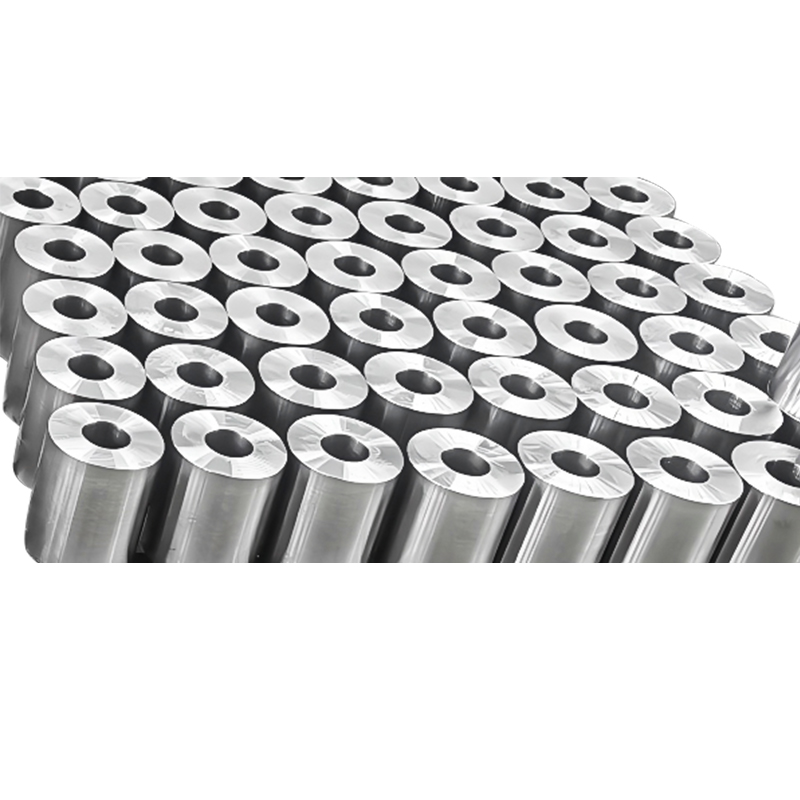
Nuclear Power Conventional Island Parts Forgings
-
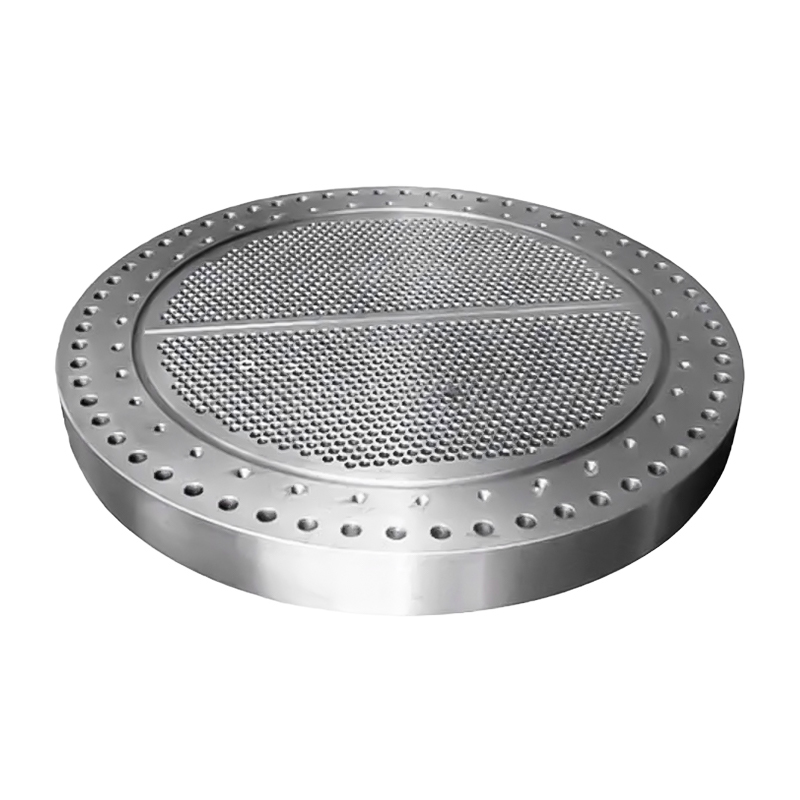
Tube Sheet Forgings
-
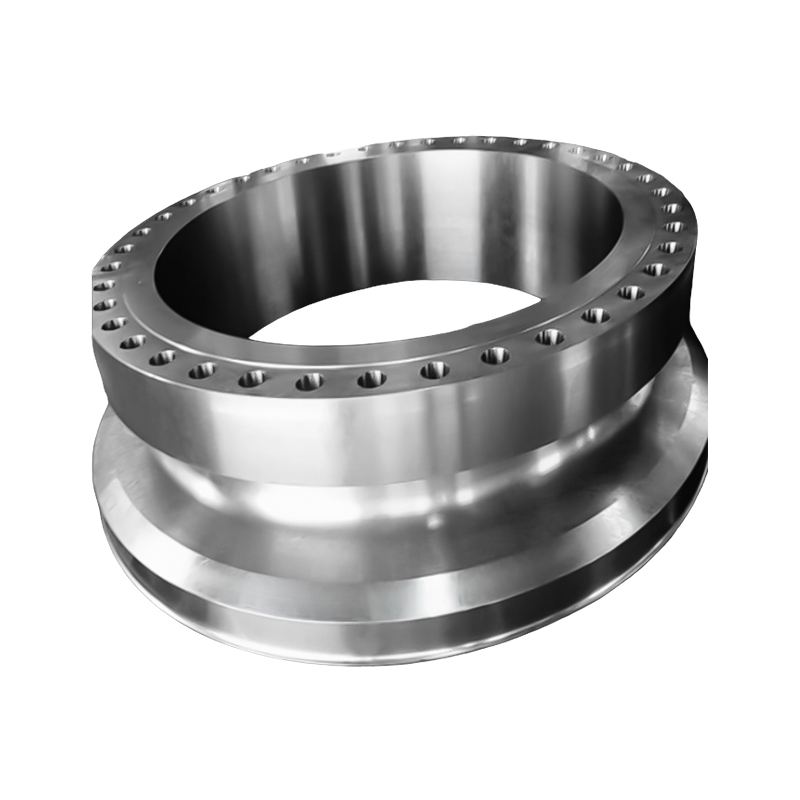
Nuclear Power Plant Piping Nozzle Forgings
-
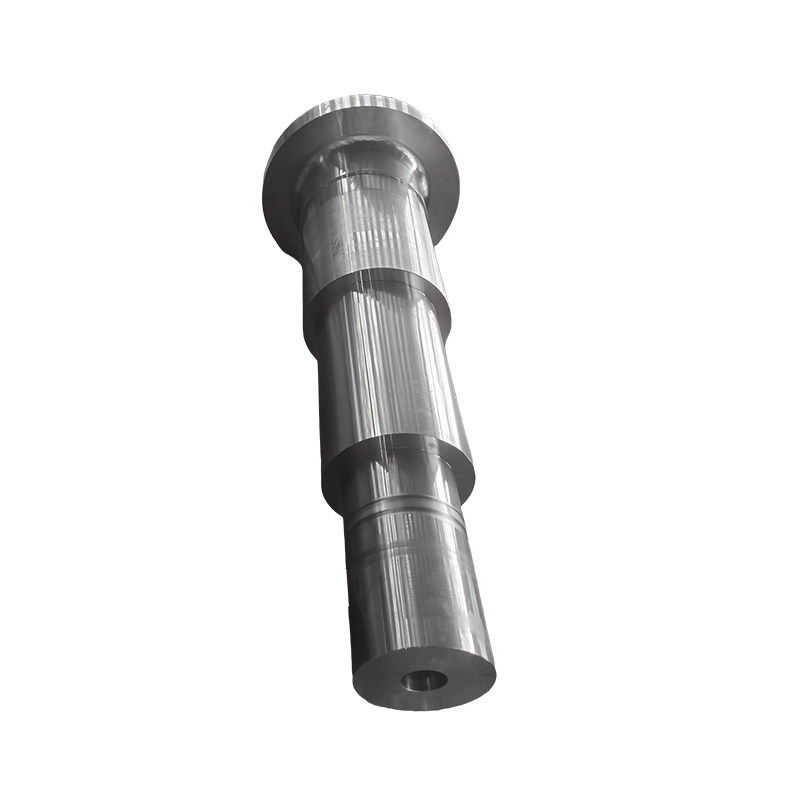
Marine Stern Shaft Forgings
-
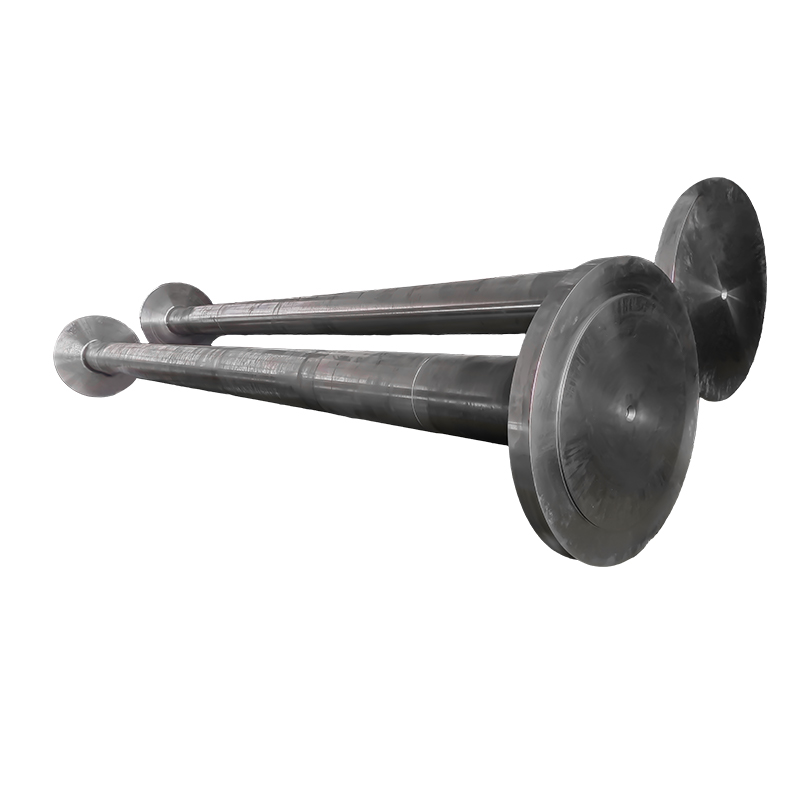
Marine Intermediate Shaft Forgings
Marine Shaft Forgings KNOWLEDGE
Marine shaft forgings are the "backbone" of a vessel's propulsion system. They must transmit massive torque from the engine to the propeller while resisting the corrosive effects of seawater and the constant bending stresses caused by hull vibrations and wave action.
1. Types of Marine Forged Shafts
A typical propulsion "shaft line" consists of several distinct forged sections:
-
Tail Shaft (Propeller Shaft): The most critical section. It carries the propeller and is directly exposed to seawater. It requires the highest corrosion resistance and fatigue strength.
-
Intermediate Shafts: These connect the engine or gearbox to the tail shaft. They are often very long and must be forged to ensure perfect coaxiality (straightness).
-
Thrust Shaft: Equipped with a forged-on "thrust collar," this shaft transfers the forward/backward push (thrust) of the propeller to the ship's hull through the thrust bearing.
-
Rudder Stock: A heavy forging that connects the steering gear to the rudder blade. It must withstand extreme torsional (twisting) loads.
2. Material Selection
Marine shafts are categorized by their "Grade," which is determined by the vessel's size and operating environment.
| Material Class | Typical Grades | Application |
| Carbon-Manganese Steel | C-Mn Steels (e.g., 36Mn5) | General merchant ships (bulk carriers, tankers). Economical and reliable. |
| Alloy Steel | 42CrMo4 / 34CrNiMo6 | High-speed vessels and naval ships. Offers higher strength-to-weight ratios. |
| Stainless Steel | 316L / Duplex 2205 | Yachts and specialized vessels. Used when the shaft is "wet" (exposed to seawater) without a protective sleeve. |
3. Key Manufacturing Technologies
To ensure a ship doesn't lose propulsion in the middle of the ocean, the forging process is highly controlled:
-
Hollow Forging (Boring): Many modern shafts are forged "hollow" or bored out after forging. This reduces weight without significantly sacrificing strength and allows for the passage of hydraulic lines for Controllable Pitch Propellers (CPP).
-
Integral Flange Forging: Instead of welding flanges onto the ends of the shafts, they are forged as a single piece with the shaft body. This eliminates weld fatigue risks.
-
Surface Hardening: The "bearing journals" (the parts of the shaft that sit in bearings) are often induction-hardened to prevent wear.
4. Marine Classification Societies (The "Rule Makers")
No marine shaft can be installed without a certificate from a classification society. They oversee the entire forging process—from the steel melt to the final ultrasonic test.
-
Common Societies: DNV (Norway), ABS (USA), LR (UK), BV (France), and CCS (China).
-
The "Stamp": After passing inspection, the forging is physically stamped with the society's mark, ensuring its "birth certificate" is traceable for the life of the ship.
5. Quality Control & Maintenance
-
Straightness (TIR): Shafts must have an extremely low Total Indicator Reading. Even a few millimeters of "wobble" over a 10-meter shaft can cause catastrophic vibration.
-
Ultrasonic Testing (UT): Used to detect internal "pipe" or "voids" in the center of the forging.
-
Corrosion Protection: Tail shafts are often fitted with Bronze Sleeves or GRP (Glass Reinforced Plastic) coatings to keep the forged steel from touching seawater.
FAQ: Marine Shaft Forgings
Q1: Why are marine shafts so long?
-
A: On large container ships, the engine is often located mid-ship for balance, while the propeller is at the stern. This requires a "shaft line" that can be over 50 meters long, made of several forged segments bolted together.
Q2: What is "Propeller Drop" and how does it affect the forging?
-
A: It refers to the wear of the bearings. If the bearings wear out, the forged shaft begins to bend slightly under the weight of the propeller, leading to fatigue cracking. This is why "fatigue limit" is the most important design factor for marine shafts.
Q3: Can a snapped shaft be welded back together?
-
A: In an emergency, a "temporary" repair might be attempted, but classification societies generally forbid welding on the main body of a propulsion shaft because the heat destroys the forging's mechanical properties. It almost always requires a full replacement.
Message Us Right Now!
-
Mobile Terminal
-
Quick Links
Products About Us Equipment & Capacity Quality News Contact Us -
Product Category
Electric Power Energy Forgings Ship and Port Machinery Forgings Mining and Metallurgy Forgings Food and Feed Machinery Forgings Petrochemical Industry Forgings Welding Fabrication Non-standard Customized Forging -
Contact Us
Mob.: +86-173 7218 0878 Tel.: +86-515-8389 0396 E-mail: ivy.zhai@aceprocess.cn Add.: No.21 Jinfeng Road, Economic Development Park, Dafeng District, Yancheng City, Jiangsu, China
